How to Propagate Sulphurflower Buckwheat?
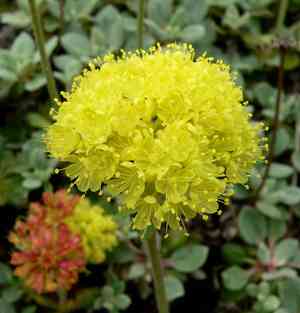
Sulphurflower Buckwheat flourishes when reproduced via stem sections. For optimal results, choose robust, non-blooming branches during the cooler parts of the day. Sever a 4-6 inch piece, remove the bottom foliage, and immerse the severed tip in rooting compound. Insert into a well-aerated potting blend, making certain the surroundings stay moist yet not excessively saturated to foster root growth.
When Is the Best Time to Propagate Sulphurflower Buckwheat?
Propagation Type
Cutting
Propagation Season
Spring,Summer
What Tools Are Used for Sulphurflower Buckwheat Propagation?
Sharp Pruning Shears
These are crucial for making clean cuts from sulphurflower Buckwheat without crushing or harming the plant's tissues. Sharp blades ensure healthy cuttings with the best chance for rooting, especially given sulphurflower Buckwheat's somewhat woody stem structure.
Rooting Hormone Powder
This increases the likelihood of successful root development from sulphurflower Buckwheat cuttings. Applying rooting hormone to the cut stem end helps stimulate root growth, which is vital for sulphurflower Buckwheat to establish itself independently.
Sterile Potting Mix
A well-draining, nutrient-rich potting mix offers an ideal environment for sulphurflower Buckwheat cuttings to root. Sterility prevents contamination and diseases that could compromise delicate new roots.
Small Pots or Trays
These containers are used for planting the initial cuttings. They should provide adequate drainage to prevent waterlogging, a condition that could lead to root rot and negatively affect sulphurflower Buckwheat's health.
Plastic Covers or Dome
Maintaining a high humidity environment around sulphurflower Buckwheat cuttings is essential for their survival and root development. Covers or domes help retain moisture and warmth, creating a microclimate that supports rooting.
How to Propagate Sulphurflower Buckwheat?
Propagation Type
Easy
How to Care for Your Newly Propagated Sulphurflower Buckwheat?
How to Care for Your Newly Propagated Sulphurflower Buckwheat?
Once sulphurflower Buckwheat has established roots, gradually acclimate it to less humid conditions by removing the plastic cover and increasing ventilation. Continue to water moderately, allowing the top inch of soil to dry out between watering. Sulphurflower Buckwheat thrives in full sun to partial shade and requires well-draining soil. Minimal fertilization is needed; a light application of a balanced, slow-release fertilizer in early spring is sufficient. Monitor for pests and diseases, though sulphurflower Buckwheat is generally low-maintenance and resilient once established.
Common Mistakes to Avoid When Propagating Sulphurflower Buckwheat
Overwatering
Excessive watering of sulphurflower Buckwheat can lead to root rot, a condition where roots decay. This typically occurs when soil remains overly wet and lacks proper drainage. Soggy soils can significantly reduce the plant's ability to absorb nutrients, negatively impacting its growth and survival.
Using heavy soils
Employing soil that is too dense or clay-heavy for sulphurflower Buckwheat can impede proper root expansion and water drainage. This can hinder root development, which is crucial for the successful establishment of new plants from cuttings or seeds.
Deep planting
Planting sulphurflower Buckwheat seeds or cuttings too deeply can cause the plant to struggle to break the surface, leading to reduced germination rates or growth of new shoots. Ensuring the correct planting depth is vital for optimal growth.
Neglecting early stage care
Failing to provide adequate attention during sulphurflower Buckwheat's early growth stages, such as maintaining proper moisture levels and protection from extreme elements, can significantly impact its overall development and survival rates.
Tips For Propagating Sulphurflower Buckwheat
Proper soil selection
Choose a well-draining soil mix for sulphurflower Buckwheat, ideally light and sandy. This will facilitate proper root growth and prevent issues like waterlogging, which can lead to root diseases.
Appropriate watering
Maintain balanced watering practices. Sulphurflower Buckwheat thrives when the soil is allowed to dry out slightly between watering sessions. This encourages the development of a strong root system capable of effectively seeking moisture.
Optimal planting depth
When planting sulphurflower Buckwheat's seeds or cuttings, ensure they are not set too deep into the substrate. Shallow planting often maximizes exposure to necessary warmth and light, encouraging successful germination and early growth.
Gentle Handling
Handle sulphurflower Buckwheat cuttings and seedlings with care. Since they can be delicate during the propagation phase, gentle handling helps prevent physical damage, which can be detrimental to their development and ability to establish fully.



