The Sulphurflower Buckwheat Plant Advantage: Maximizing Home and Office Appeal and Wellness
1
Sulphurflower Buckwheat tolerates dry conditions well, perfect for gardens focused on saving water.
2
This adaptable plant draws in beneficial pollinators, boosting the variety of life in your garden.
3
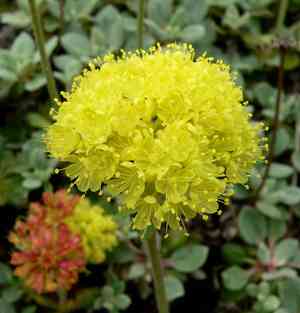
Sulphurflower Buckwheat offers visual charm with its bright yellow blooms, bringing beauty to any outdoor space.
Why Consider Sulphurflower Buckwheat for Your Garden?
Drought Resilience and Water Conservation
A key characteristic of Sulphurflower Buckwheat is its exceptional ability to withstand dry conditions. This plant flourishes in arid environments, making it ideal for xeriscaping or water-efficient gardening. Incorporating drought-tolerant species not only lessens the need for extra irrigation but also supports sustainable landscaping, crucial in areas facing water shortages.
Attracts Pollinators and Boosts Biodiversity
Another significant advantage of Sulphurflower Buckwheat is its capacity to draw in pollinators, such as bees and butterflies. Pollinators are vital for maintaining healthy ecosystems by aiding plant reproduction. By introducing Sulphurflower Buckwheat to your garden, you promote a more balanced and diverse ecosystem, which can also enhance yields in nearby vegetable or fruit-producing plants.
Aesthetic and Practical Landscaping
Enhancing Visual Appeal
Sulphurflower Buckwheat is known for its vibrant yellow blossoms that appear in dense clusters, creating a visually stunning display. These flowers can brighten any garden area, offering a striking contrast against green foliage and adding seasonal interest.
Erosion Prevention
Beyond its beauty, Sulphurflower Buckwheat serves a functional role in preventing erosion. Its extensive root system helps stabilize soil and prevent washout on slopes or embankments. This makes it an excellent choice for areas prone to soil degradation, ensuring the long-term integrity and stability of your landscape.
How to Care for Sulphurflower Buckwheat?
Optimal Growing Conditions
Sulphurflower Buckwheat is relatively easy to maintain but thrives best in well-draining soil with ample sunlight. It can adapt to various soil types, including sandy and rocky conditions, further increasing its adaptability in garden design.
Maintenance Advice
While Sulphurflower Buckwheat tolerates drought, occasional watering during extended dry periods will keep it looking its best. Trimming faded blooms can encourage new flower production, and applying mulch around the plant's base can help retain soil moisture and inhibit weed growth.
Uses Beyond the Garden
Land Reclamation Projects
Sulphurflower Buckwheat can be an invaluable asset in land restoration efforts due to its robust nature and ability to thrive in poor soil conditions. Its role in erosion control and soil stabilization makes it a preferred choice in rehabilitation projects aimed at revitalizing degraded landscapes.
Educational and Community Gardens
This plant also serves an instructional purpose, often featured in community and educational gardens where lessons on drought-resistant plants and sustainable gardening practices are taught. Its ease of growth and upkeep makes it an ideal candidate for teaching new gardeners the fundamentals of plant care and environmental stewardship.
Frequently Asked Questions About Sulphurflower Buckwheat Care
Does Sulphurflower Buckwheat need specific soil conditions?
Sulphurflower Buckwheat is highly adaptable but prefers soils that drain well. It can flourish in both sandy and rocky environments, making it versatile for various landscape designs.
How often should I water Sulphurflower Buckwheat?
Sulphurflower Buckwheat is drought-tolerant and generally does not require frequent watering. However, during extended dry spells, occasional irrigation can help maintain its vitality and appearance. Once established, it needs very minimal care, further enhancing its appeal for low-maintenance gardening.



