How Much Sunlight Do Bell heather Need?
1
Bell heather thrives best in direct sunlight.
2
Observe vibrant purple flowers as an indicator of sufficient light for your Bell heather.
3
Utilize reflective ground cover to enhance sun exposure.
What Are the Sunlight Requirements for Bell heather?
Full Sun or Partial Shade
Regarding Bell heather's light needs, it flourishes best in full sun, meaning it should receive at least six hours of direct sunlight daily. However, it can also endure partial shade, particularly in warmer regions where intense afternoon sun might otherwise stress the plant.
Ideal Daily Sunlight Hours
For your Bell heather to thrive, aim for approximately 6-8 hours of direct sunlight each day. Morning sun is often milder and can be especially beneficial if your climate experiences very hot afternoons. Remember, consistent exposure is vital for abundant blooms and healthy foliage.
Seasonal Sunlight Variations
Different seasons bring changes in sunlight intensity and duration. During autumn and winter, when days are shorter and sunlight less intense, your Bell heather might not receive as much natural light. In these cooler months, placement is critical. If possible, move the plant to the sunniest location in your garden or employ strategies to boost light exposure.
How to Identify If Your Bell heather Is Getting Enough Sun?
Healthy Leaf Colors and Blooms
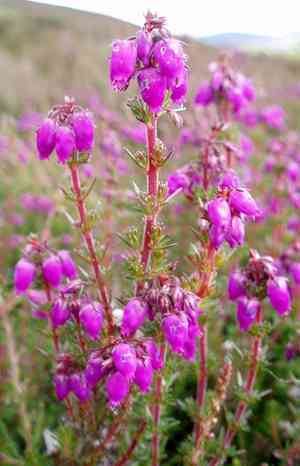
Regularly inspect the color and vibrancy of your Bell heather's leaves and flowers. Healthy plants typically display rich green foliage and bright purple blossoms. These indicate the plant is receiving an adequate amount of sunlight.
Signs of Sunburn or Overexposure
Even though Bell heather prefers full sun, excessive exposure can lead to sunburn. Watch for yellowing leaves or browning edges, which suggest your plant is getting too much direct sunlight. In such cases, consider providing some afternoon shade or relocating the plant to a slightly less exposed area.
Symptoms of Insufficient Sunlight
If your Bell heather isn't getting enough sun, you will observe leggy growth, smaller blooms, and duller leaf colors. The plant might also become more prone to diseases, as its overall vigor diminishes. Adjusting the plant's position to a sunnier spot can help alleviate these symptoms.
Tips for Maximizing Sun Exposure for Bell heather
Optimal Planting Locations
To maximize sun exposure, plant your Bell heather in an open area that receives uninterrupted sunlight for most of the day. Avoid placing it in spots shaded by buildings, trees, or large shrubs, especially during the morning hours.
Using Reflective Mulch
Reflective mulch can be an excellent method to increase the amount of light your Bell heather receives. By reflecting sunlight onto the plant, this type of mulch ensures that light is utilized more effectively, particularly in partially shaded areas.
Pruning and Trimming Strategies
Periodic pruning and trimming can help ensure that light penetrates all parts of your Bell heather. Remove any dead or overly dense branches that might be blocking light from reaching the lower sections of the plant.
Can Bell heather Thrive Indoors?
Indoor Sunlight Requirements
Bell heather can indeed flourish indoors, provided it receives ample light. Position it where it can get direct sunlight for at least 6 hours a day, such as near a south-facing window. If natural light is limited, consider providing supplemental lighting.
Supplementing with Artificial Lights
When natural light is insufficient, you can use artificial grow lights to ensure your Bell heather gets the light it needs. LED grow lights are energy-efficient and can be set up to provide the necessary light intensity and duration. Aim to mimic natural sunlight patterns by keeping the lights on for about 8-10 hours daily.
Placing Near Windows and Light Sources
The indoor placement of your Bell heather is crucial. South-facing windows are ideal, but east or west-facing windows can also work. Ensure the plant is not too close to the glass, as it can get scorched during the hotter parts of the day. Moving the plant around to find the best light spot can significantly enhance its indoor growth.



