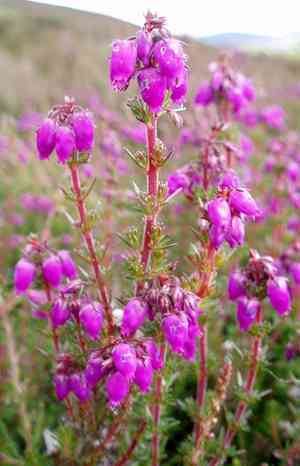
Bell heather (Erica cinerea)
Also known as: Grey heath, Purple heather
Bell heather (Erica cinerea) is an evergreen shrub native to western and central Europe. It prefers well-drained, acidic soils, often thriving in sandy or peaty conditions typically found in heathlands and moorlands. This plant is also a significant source of nectar, contributing to the production of heather honey in the UK.
In This Article
Attributes of Bell heather
Lifespan
Perennial
Plant Type
Shrub
Plant Height
60 cm
Spread
80 cm
Leaf Color
Green Yellow Bronze
Flower Size
8 cm
Flower Color
White Pink Purple Red
Images of Bell heather
Quickly Identify Bell heather
1
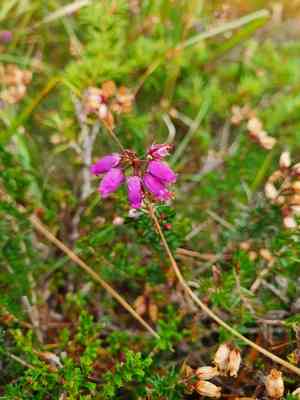
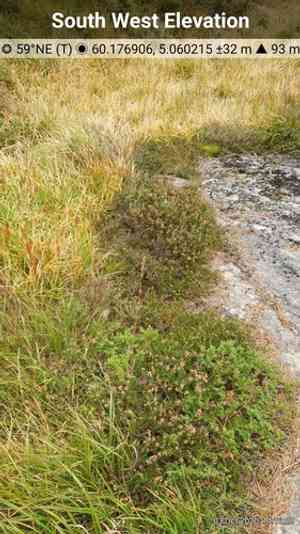
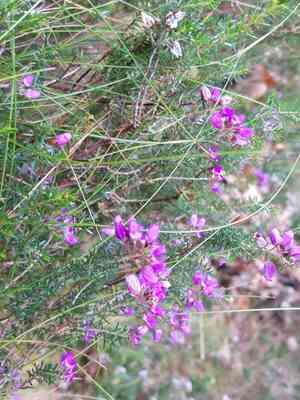
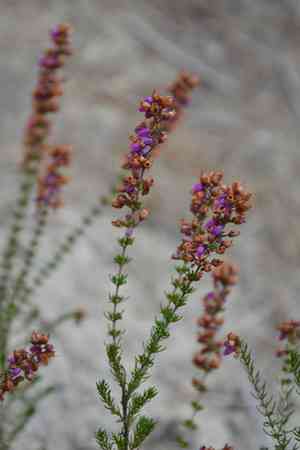
Erica cinerea can be identified by its fine, needle-like leaves which are arranged in whorls. The flowers are clustered and bell-shaped, typically appearing from July to September. The stems are wiry and the plant forms a dense, low-growing mat.
Scientific Classification of Bell heather
Phylum
Vascular plants
Class
Dicotyledons
Order
Ericales
Family
Heath
Genus
Heaths
Species
Bell heather
Planting and Growing of Bell heather
Care Difficulty
Easy
Watering Schedule
Every 4 days
Sunlight Requirements
Full sun
Sunshine Duration
6-12 hours
Ideal Temperature
50-65℉
Soil Type
Potting Mix, Peat Mix
Soil pH
4.5-6.5
Fertilizer Type
Balanced
Pruning Season
Spring, Summer
Pruning Area
Branches, Leaves
Pruning Frequency
2 times a year
Repotting Season
Spring
Pot Type
Plastic, Ceramic
 How to Water Bell heather?
Erica cinerea, commonly known as bell heather, requires moderate watering. The principle is to keep the soil moist but not waterlogged. Ensure the water penetrates deeply into the soil, about 200 ml per session, depending on the size of the plant and the pot to fully saturate the root zone.
What are the symptoms of an underwatered Bell heather?
›
What should I do if my Bell heather is not getting enough water?
›
What are the symptoms of an overwatered Bell heather?
›
How to save an overwatered Bell heather?
›
 What Are the Sunlight Requirements for Bell heather?
Erica cinerea thrives best with six to eight hours of direct sunlight. This promotes healthy blooms and robust vegetation, ensuring the plant maintains its striking visual appeal and environmental resilience.
More About Sunlight Requirements Techniques→
How can you achieve optimal lighting for Erica cinerea?
›
What specific actions can help in ensuring ideal light for Erica cinerea?
›
What benefits does Erica cinerea experience from optimal light conditions?
›
 What Is the Ideal Temperature Range for Bell heather?
The ideal temperature range for Erica cinerea is between 50 and 65 degrees Fahrenheit. This range allows the plant to grow consistently, as temperatures in this range mimic conditions in its native environment, promoting healthy growth and flowering.
 What Soil is Best for Bell heather?
Erica cinerea thrives in well-drained soil to prevent root rot. It ensures that water doesn't stagnate around the roots, which can be detrimental to the plant's health. This plant prefers acidic soil, with a pH range of 4.5 to 6.5. Acidic conditions facilitate nutrient absorption and maintain the vibrant coloration of the leaves and flowers. A soil rich in organic matter is beneficial for Erica cinerea as it improves soil fertility and structure, providing essential nutrients for optimal plant growth.
 How to Fertilize Bell heather?
Erica cinerea prefers a balanced approach to fertilization. It's important to use a diluted liquid fertilizer, mixed at half the recommended strength. A cautious application strategy minimizes the risk of harming this sensitive plant.
 How to Prune Bell heather?
Use clean, sharp shears to trim back the flowering stems once they have faded. Target the spent blooms and reduce them to maintain the plant's compact shape. Avoid cutting into the woody base as it can hinder regrowth. To promote a denser appearance, selectively prune young stems to encourage lateral shoots. This increases the number of blooming sites and results in a more attractive plant throughout the flowering season.
More About Pruning Techniques→
 How to Propagate Bell heather plant?
1
To propagate Erica cinerea from seeds, fill a seed tray with a suitable seed starting mix. Scatter the seeds evenly on the surface, then lightly cover them with a thin layer of vermiculite or sand. Mist the tray to keep the mix moist but not soaked, and place it in a location with bright, indirect light for germination.
2
Select healthy, non-flowering shoots for cuttings in late spring or early summer. Cut a 5-10 cm length just below a node, remove lower leaves, and dip the cut end in rooting hormone. Plant it in a pot filled with a gritty compost mix and firm it gently.
3
For division propagation, carefully dig up a mature Erica cinerea plant in early spring. Gently separate the plant into smaller sections, each with adequate roots attached. Replant these sections in prepared holes in a sunny location using water-retentive soil for best results.
 How to Repot Bell heather plant?
1
Erica cinerea needs repotting when growth slows, or roots start encircling the pot. Spring is optimal for encouraging new growth and giving roots ample time to establish before dormancy.
2
Choose a pot slightly larger than the current one with good drainage. This allows for root expansion and prevents waterlogging, essential for this species, which thrives in moist but well-drained conditions.
3
Use a mix of acidic soil with good aeration properties, such as a heath mix. This provides the low pH needed plus adequate drainage, mimicking its natural moorland habitat.



