How to Prune Bell heather?
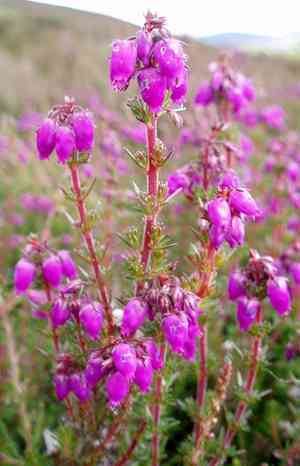
Valued for its vivid violet blossoms and perennial leaves, bell heather needs little trimming to preserve its form and stimulate abundant flowering. Perform pruning in early spring or winter, snipping off faded blooms and shortening elongated stalks to foster a denser habit. Trimming after the flowering period facilitates vigorous development in the subsequent season, enriching the plant's inherent heathered appearance. Consistent elimination of lifeless or ailing parts ensures bell heather remains robust and aesthetically pleasing.
What Are the Benefits of Pruning Bell Heather?
What Are the Benefits of Pruning Bell Heather?
Trimming bell heather promotes robust development, leading to more abundant blooms. It also aids in eliminating diseased or pest-ridden sections, thereby decreasing the likelihood of future infestations and preserving plant vitality.
What Is the Best Time for Pruning Bell Heather?
What Is the Best Time for Pruning Bell Heather?
Pruning or trimming bell heather in early spring is ideal because this timing allows the gardener to neaten the plant after winter without affecting the new growth essential for the upcoming flowering period. Additionally, pruning in winter, when bell heather is dormant, reduces plant stress and minimizes the risk of disease infection through pruning cuts. Winter trimming also prepares bell heather for vigorous growth as temperatures rise. Avoid pruning when bell heather is actively growing or flowering, typically from late spring through summer, to prevent removing flower buds or disrupting its bloom cycle.
What Tools Do I Need to Prune Bell Heather?
Bypass Hand Pruners
These are perfect for making clean cuts on the thinner, living stems of bell heather without crushing the plant tissue. They can help shape the plant and remove spent flower heads after blooming.
Shears
Handheld shears are effective for shaping bell heather, especially for heathers grown in large groups. They enable quick, uniform cuts across broader areas.
Gloves
To safeguard hands from the prickly foliage while pruning bell heather.
How to Prune Bell Heather
Disinfect tools
Before pruning bell heather, ensure all pruning tools are cleaned and disinfected to prevent disease transmission.
Remove dead material
Carefully remove all dead branches, withered leaves, and diseased parts from bell heather, using sharp pruning shears to make clean cuts close to the base of the affected areas.
Trim withered flowers
Once the non-viable plant material is removed, proceed to trim any withered flowers from bell heather to encourage new growth and improve air circulation.
Reshape plant
Examine bell heather for any branches that contribute to excessive growth and disrupt the plant's natural shape. Trim these selectively to maintain an aesthetically pleasing form.
Cleanup
After pruning bell heather, clear all debris from the area to deter pests and diseases. Dispose of the removed plant material properly, ideally through composting if not diseased.
Common Pruning Mistakes with Bell Heather
Over pruning
Removing too much growth can harm bell heather by stimulating excessive growth at the expense of flowers or causing undue stress that may lead to disease or even death of the plant.
Cutting old wood
Pruning into the old, woody stems might prevent bell heather from flowering because it primarily blooms on the previous year's growth.
Shearing
Using shearing tools can create a dense outer layer of foliage, impeding light and air circulation which can result in a less healthy plant with fewer flowers.
Neglecting deadheading
Failing to remove spent flowers can result in bell heather spending energy on seed production instead of new growth and blooms for the next season.
Disregarding shape
Pruning without considering the natural shape of bell heather can lead to an unnatural appearance and can potentially harm the plant's overall health and flowering capability.
Common Pruning Tips for Bell Heather
Selective pruning
Cut back the tips of the stems after flowering to encourage bushy growth and prevent the plant from becoming leggy, ensuring to make the cuts just above new leaf nodes.
Maintenance pruning
Remove any dead or diseased stems promptly to maintain plant health and allow for better air circulation.
Rejuvenation pruning
For older plants, occasionally cut back some of the stems to newer growth to rejuvenate bell heather and encourage more vigorous growth.
Right tools
Use clean, sharp secateurs for pruning to make sure cuts are clean and do not damage the stems, preventing potential infection.
Light pruning
Apply a light pruning approach, focusing on shaping the plant and light thinning, rather than deep, hard cuts, to promote a fuller plant with abundant flowering.



