How Much Sunlight Do Brittlebush Need?
1
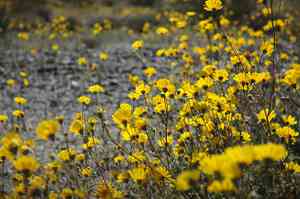
Brittlebush flourishes with a minimum of six hours of unfiltered sun each day.
2
To achieve peak development, position your Brittlebush in a setting that emulates its natural arid habitat.
3
Exercise care regarding excessive sun exposure in the hottest summer periods to prevent scorching and foliage harm.
Optimal Light Requirements for Brittlebush
Full Sun Exposure
Brittlebush thrives in abundant sunlight. In its natural environment, this hardy plant enjoys prolonged periods under the desert sun. To replicate these conditions in your garden, ensure your Brittlebush receives a minimum of six to eight hours of direct sunlight daily. This level of full sun exposure promotes vigorous development, vibrant blooms, and overall vitality. Plants with sufficient light tend to be denser, producing more foliage and flowers.
Partial Sun Conditions
Although Brittlebush prefers full sun, it can endure partial sun. If full sun isn't feasible, choose a location where the plant gets at least three to six hours of daily sunlight, especially morning light, which is less harsh. However, in partial sun, you might observe fewer blooms and a more elongated growth habit. Regularly check your plant for indications of inadequate light and consider moving it if needed.
Prime Locations for Brittlebush Cultivation
Outdoor Planting Sites
Outdoor planting is perfect for Brittlebush, as it allows the plant to receive the ample sunlight it craves. Select a garden spot that is exposed to direct sunlight for most of the day. South-facing gardens are typically excellent choices. Ensure the soil in the chosen area drains well to prevent root rot, as Brittlebush is adapted to arid conditions and struggles in waterlogged soil.
Indoor Growing Tips
Cultivating Brittlebush indoors is less common, but achievable with proper conditions. Position your plant near a south-facing window for maximum sunlight. Consider using supplementary grow lights if natural light is insufficient, especially during shorter winter days. Use a well-draining potting mix and ensure your indoor setting mimics its dry, sunny native habitat for optimal results.
Potential Issues Related to Sunlight Exposure
Signs of Excessive Sun
Despite its affinity for sunlight, too much exposure, particularly during peak summer hours, can harm Brittlebush. Watch for signs of sun damage, such as bleached or scorched leaves. If these symptoms appear, consider providing some afternoon shade or relocating the plant to a slightly more protected spot. Ensuring your Brittlebush is adequately watered (without overwatering) can also help it manage intense sunlight.
Signs of Insufficient Sunlight
Inadequate sunlight can impede the growth and health of your Brittlebush. Indicators include leggy growth, where stems stretch and leaves become sparse, and reduced flowering. Leaves might also appear paler. If you notice these signs, try moving your plant to a brighter location. For indoor plants, consider boosting light levels with artificial grow lights.
Seasonal Sunlight Variations
Summer Sunlight Needs
During summer, sunlight intensity and duration increase. Nevertheless, monitor your Brittlebush for signs of overexposure and provide afternoon shade if necessary. Additionally, ensure it is watered sufficiently, paying close attention to soil moisture levels to prevent dehydration.
Winter Sunlight Adjustments
In winter, daylight hours shorten and sunlight intensity diminishes. If your Brittlebush is outdoors, there's usually less risk of sunburn. However, ensure your plant continues to receive adequate light by positioning it in the sunniest spot available. For indoor Brittlebush, consider using grow lights to supplement natural light and keep your plant thriving throughout the colder months.



