
Brittlebush (Encelia farinosa)
Also known as: Brittle bush, Goldhills
The plant you're referring to is the Brittlebush (Encelia farinosa). This desert shrub, native to Northern Mexico and the Southwestern United States, typically grows between 30 to 150 cm tall. It is known for its fragrant leaves and bright yellow-orange flowers. The name "Brittlebush" comes from the brittleness of its stems, and it also produces a resin from the base of the stems that can be used as glue.
In This Article
Attributes of Brittlebush
Lifespan
Perennial
Plant Type
Shrub
Plant Height
91 cm
Spread
90 cm
Leaf Color
Green
Flower Size
3 cm to 3.5 cm
Flower Color
Yellow
Images of Brittlebush
Quickly Identify Brittlebush
1
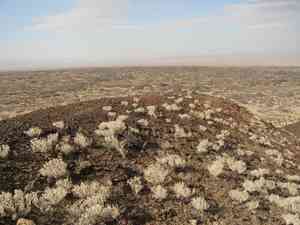
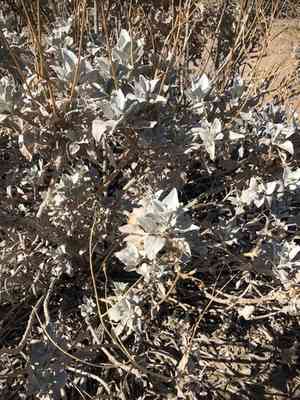
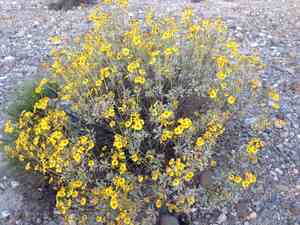
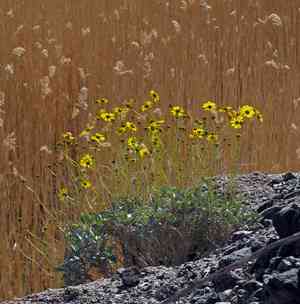
To identify Encelia farinosa, look for a shrub with silvery-gray leaves that are somewhat sticky to the touch. During the blooming season, it produces bright yellow, daisy-like flowers.
Scientific Classification of Brittlebush
Phylum
Vascular plants
Class
Dicotyledons
Order
Asterales
Family
Daisy
Genus
Brittlebushes
Species
Brittlebush
Planting and Growing of Brittlebush
Care Difficulty
Easy
Watering Schedule
Every 2 days
Sunlight Requirements
Full sun
Sunshine Duration
6-10 hours
Ideal Temperature
60-85℉
Soil Type
Potting Mix, Peat Mix
Soil pH
6.5-7.5
Fertilizer Type
Balanced
Pruning Season
Spring, Summer
Pruning Area
Branches, Leaves
Pruning Frequency
2 times a year
Repotting Season
Spring
Pot Type
Plastic, Ceramic
 How to Water Brittlebush?
Encelia farinosa, often known as brittlebush, requires watering until the soil is thoroughly moist but not waterlogged. This desert plant thrives on a principle of less is more, reflecting its natural arid habitat where rainfall is sparse. The aim is to drench the root zone thoroughly, allowing water to penetrate deeply. Strike a balance, ensuring no standing water accumulates, which could potentially harm the roots.
What are the symptoms of an underwatered Brittlebush?
›
What should I do if my Brittlebush is not getting enough water?
›
What are the symptoms of an overwatered Brittlebush?
›
How to save an overwatered Brittlebush?
›
 What Are the Sunlight Requirements for Brittlebush?
Encelia farinosa prefers full sun and thrives with 6-8 hours of sunlight daily. This light range helps enhance flowering and ensures the plant's resilience against drought conditions.
More About Sunlight Requirements Techniques→
What is the best lighting condition for Encelia farinosa?
›
How can you achieve the ideal lighting for Encelia farinosa?
›
What benefits does Encelia farinosa gain from ideal lighting?
›
 What Is the Ideal Temperature Range for Brittlebush?
The ideal temperature range for growing Encelia farinosa is between 60°F and 85°F. Within this range, the plant can efficiently perform photosynthesis and maintain optimal metabolic activities. This ensures vigorous growth and blooming.
 What Soil is Best for Brittlebush?
Encelia farinosa thrives in well-drained soils to avoid root rot. Good drainage facilitates air circulation around the roots, preventing fungal infections and promoting healthy growth. This species prefers soils that are not rich in nutrients. Overly fertile soil can lead to excessive and weak growth, whereas poor soil supports its resilient structure and robust foliage. Encelia farinosa is adapted to arid soil conditions, emulating its natural desert habitat. This requirement helps the plant conserve water, making it drought-resistant and ideal for xeriscaping.
 How to Fertilize Brittlebush?
Encelia farinosa, also known as brittlebush, is adapted to nutrient-poor soils. As such, it requires only light fertilization. For liquid fertilizers, use a diluted solution at half the recommended strength for general houseplants. Solid or slow-release fertilizers should be applied sparingly, at a rate of about 1 to 2 pounds per 100 square feet annually, depending on soil conditions.
 How to Prune Brittlebush?
Begin by using sharp, clean pruning shears to make precise cuts. In early spring, remove any dead or damaged branches to promote new growth. During autumn, focus on shaping the plant by trimming back overgrown stems. Aim to create an open, airy structure that allows sunlight to penetrate and encourages robust blooming.
More About Pruning Techniques→
 How to Propagate Brittlebush plant?
1
Gather seeds from mature Encelia farinosa plants in late spring. Ensuring seeds are dry and free from mold will enhance their viability for propagation.
2
Select healthy stems for cuttings when propagating. Cut at a slight angle and remove the lower leaves. Using rooting hormone can enhance the rooting process.
3
Plant seeds or cuttings in a prepared tray or potting mix. Maintain adequate moisture but avoid waterlogging, as this can cause root rot.
 How to Repot Brittlebush plant?
1
You should consider repotting your Encelia farinosa when you notice roots growing out of the drainage holes. This is a sure sign that the plant has outgrown its current pot and needs more space to thrive.
2
Select a pot that is one size larger than the current one, with ample drainage holes. This ensures that excess water can escape, reducing the risk of root rot, and allows the plant to comfortably expand.
3
Opt for a well-draining cactus mix, as it mimics the plant's native environment. This type of soil prevents waterlogging, allowing air to reach the roots and promoting healthy growth.



