Enhancing Your Garden Design with the Brittlebush Plant: A Landscaping Guide
1
Once rooted, Brittlebush needs very little water.
2
It flourishes in diverse soil types.
3
This plant offers continuous aesthetic appeal throughout the year.
Benefits of Incorporating Brittlebush into Your Garden
Resistance to drought and minimal water requirements
A key advantage of Brittlebush is its remarkable drought tolerance. Once established, it needs very little water, making it perfect for arid regions or for gardeners aiming to conserve water. Its deep root system allows it to access water deep underground, enabling it to flourish even during extended dry periods. This characteristic ensures your garden stays vibrant without constant irrigation.
Versatile across various soil compositions
Another significant advantage of adding Brittlebush to your landscape is its adaptability to diverse soil types. Whether your garden features sandy, loamy, or clay soil, Brittlebush can thrive with minimal soil amendments. This flexibility makes it an excellent option for gardeners who struggle with plants requiring specific soil conditions. By choosing Brittlebush, you gain a low-maintenance, robust garden addition that demands less effort and time.
Consistent visual appeal throughout the year
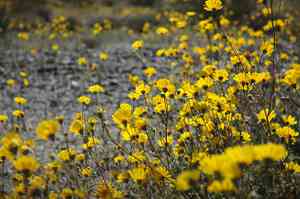
Brittlebush is not only practical but also visually appealing, providing continuous interest year-round. From its bright green foliage and striking yellow blooms in spring to its silvery leaves in autumn and winter, Brittlebush adds texture and color to your garden in every season. This ongoing charm makes Brittlebush a superb choice for those seeking to create a dynamic and engaging landscape that transforms throughout the year.
Integrating Brittlebush into Your Garden Design
Selecting the optimal site for Brittlebush
Choosing the ideal spot for Brittlebush in your garden is vital for its growth and your landscape's overall look. Ideally, Brittlebush should be planted in areas with ample sun exposure to promote abundant flowering and healthy foliage. Consider placing it along borders, pathways, or as central features to maximize its visual impact. Remember, while Brittlebush can adapt to different soils, ensuring good drainage will further support its health and development.
Pairing Brittlebush with other plant species
Brittlebush complements a variety of other plants beautifully, enhancing your garden's diversity and resilience. Consider pairing it with other drought-tolerant plants like lavender or sage for a cohesive appearance. Alternatively, combine it with contrasting plants that have different textures or colors, such as ornamental grasses or succulents, to create a visually captivating and balanced garden design. The key is to ensure companion plants have similar water and sunlight needs for an easy-care landscape.
Creative applications of Brittlebush in garden themes
The versatility of Brittlebush allows it to fit seamlessly into various garden themes. For a Mediterranean garden, combine Brittlebush with olive trees, rosemary, and lavender to evoke the charm of Southern Europe. In a desert-themed landscape, pair Brittlebush with cacti, agaves, and yuccas for a robust, drought-tolerant garden that mimics the natural beauty of desert terrains. You can also use Brittlebush as a primary plant in a pollinator garden, attracting bees and butterflies with its vibrant flowers.
Caring for Brittlebush in Your Landscape
Seasonal care recommendations
Maintaining Brittlebush through the seasons is simple due to its hardiness. In early spring, trim any damaged or dead branches to encourage new growth and improve its shape. During the active growing season, occasional deep watering can help establish young plants, but mature Brittlebush typically thrives on natural rainfall. In autumn, removing spent flowers and a light trim can prepare the plant for winter, ensuring it looks its best year-round.
Controlling its growth and spread
While Brittlebush is relatively low-maintenance, managing its growth ensures it remains a well-behaved member of your garden. Regular pruning helps control its size and prevents it from overshadowing nearby plants. If you notice any undesirable spread, simply cut back the plant to keep it contained. These straightforward practices support healthy growth and maintain a neat garden appearance, making Brittlebush an ideal choice for gardeners of all experience levels.
Common problems and straightforward solutions
Like all plants, Brittlebush can occasionally encounter issues, but most problems are easily resolved. Common pests include aphids and spider mites, which can be managed with insecticidal soap or by encouraging beneficial predators like ladybugs. Overwatering is another potential issue, as it can lead to root rot; ensure your Brittlebush is planted in well-draining soil and reduce watering if you observe signs of yellowing leaves. With these simple fixes, Brittlebush will continue to thrive and enhance your landscape.



