How to Prune Brittlebush?
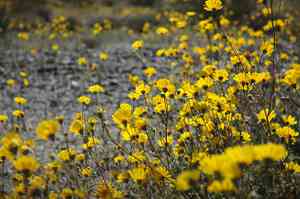
A desert shrub recognized for its silvery-gray leaves and yellow, daisy-like blossoms, brittlebush flourishes in dry environments. To maintain its form and vitality, prune in late spring or early summer, following its flowering period. Remove any dead or compromised branches and reduce the plant by up to one-third to foster a denser appearance. Pruning at this time enables the plant to recuperate before its dormant phase. Appropriate trimming preserves its visual appeal, stimulates development, and prevents excessive growth, guaranteeing brittlebush continues to be a prominent feature in the garden.
What Are the Benefits of Pruning Brittlebush?
What Are the Benefits of Pruning Brittlebush?
Trimming brittlebush promotes abundant flowering and strengthens its resistance to pests and illnesses, ensuring a vigorous, thriving plant.
What Is the Best Time for Pruning Brittlebush?
What Is the Best Time for Pruning Brittlebush?
These periods are considered ideal for pruning brittlebush due to various factors aligning with the plant's growth cycle and overall well-being. In late spring, brittlebush has typically finished its blooming phase, making it the perfect time to prune without interrupting its flowers. Trimming in early summer helps stimulate a second growth spurt, encouraging a fuller and denser form before autumn. Additionally, pruning during these seasons allows brittlebush to recover and minimizes the risk of stress or disease, as the plant is actively growing and weather conditions support healing. It also aids in removing any frost damage from winter and prepares the plant for intense summer heat by eliminating unnecessary foliage that might overtax its resources.
What Tools Do I Need to Prune Brittlebush?
Hand Pruners
Hand pruners, also known as secateurs, are suitable for cutting brittlebush stems and small branches. These tools enable precise cuts, which are crucial for maintaining the shape and health of brittlebush.
Pruning Saws
For thicker branches that hand pruners cannot manage, a pruning saw is essential. This tool will allow gardeners to cut through the woody stems of older brittlebush plants without causing harm to the plant.
Loppers
For branches too thick for hand pruners but not requiring a pruning saw, loppers with long handles provide the necessary leverage for clean cuts. They are effective for hard-to-reach or thicker branches on brittlebush.
Gloves
Gardening gloves should be worn when pruning brittlebush to protect hands from thorns and plant sap, which can cause skin irritation.
Cleaning Solution
To prevent the spread of disease when pruning brittlebush, it's important to use a cleaning solution to disinfect pruning tools before and after use.
How to Prune Brittlebush
Step1: Tool Preparation and Sanitization
Prepare your tools before starting the pruning process. Ensure that the pruning shears, loppers, or saws are clean and sharp to make precise cuts and prevent infection in brittlebush. Disinfect the tools with a solution of 1 part bleach to 9 parts water to minimize disease transmission.
Step2: Identification of Dead Branches
Identify the dead branches on brittlebush. These branches typically appear dry, brittle, and may be discolored. They serve no purpose to the plant, and removing them helps direct brittlebush's energy to healthier growth.
Step3: Correct Cutting of Dead Branches
Carefully make cuts to remove the dead branches. Cut these branches at the point where they meet healthy wood, leaving a small collar. Do not cut too flush to the main stem to avoid damaging brittlebush's growth tissues.
Step4: Inspection for Damaged Stems
Examine brittlebush for damaged stems, which may be caused by weather, pests, or mechanical injury. Damaged stems can also invite pests and diseases that can spread to the rest of the plant.
Step5: Pruning of Damaged Stems
Prune the damaged stems by cutting them back to a point of healthy tissue. Ensure that the cut is clean and angled away from the remaining stem to allow water to run off and speed up the healing process.
Step6: Deadheading for Reblooming
Remove old flowers from brittlebush to encourage new blooms and to maintain the aesthetic appeal of the plant. Deadheading, the process of removing spent flowers, should be done promptly as flowers fade.
Step7: Careful Removal of Spent Flowers
Trim just below the base of the old flower on brittlebush, avoiding damage to any emerging buds or shoots nearby. This will help stimulate brittlebush to produce new flowers.
Step8: Disposal of Pruning Debris
After completing the pruning, remove all the cuttings from around brittlebush. Decomposing plant material can attract pests or harbor disease that could affect the health of brittlebush.
Step9: Post-Pruning Hydration for Recovery
Water brittlebush adequately after pruning to help the plant recover from the stress of trimming. However, be mindful not to overwater as brittlebush is adapted to arid conditions and may be susceptible to root rot with excessive moisture.
Step10: Monitoring for Health and Pests
Monitor brittlebush over the following weeks for any signs of disease or pests. Prompt action against any abnormalities will help ensure the continued health and vigor of your plant.
Post-Pruning Care for Brittlebush
Post-Pruning Care for Brittlebush
After pruning brittlebush, immediately ensure adequate watering to reduce stress, avoiding over-saturation. Maintain optimal light, with partial sun exposure, and stable temperatures between 60-85°F. Increase humidity slightly to aid recovery, but ensure good air circulation to prevent fungal growth. Apply a balanced, slow-release fertilizer to promote healing and regrowth. Regularly inspect the pruning sites for discoloration or ooze, which indicate stress or infection. If symptoms are present, consult a horticulture expert for appropriate treatment measures.
Common Pruning Mistakes with Brittlebush
Over-pruning weakens plant defenses
Pruning too aggressively can harm brittlebush's natural growth pattern and reduce its resilience. Removing too much foliage at once can stress the plant, leading to weakened defenses against pests and diseases.
Dirty tools damage branches and spread diseases
Using dull or dirty pruning tools can cause damage to brittlebush's branches. Clean cuts are crucial for quick recovery, and using unsanitized tools may introduce pathogens.
Ignoring dead wood hinders health and growth
Neglecting to remove dead or diseased wood can impede brittlebush's growth and health. Such branches can drain energy from the rest of the plant and serve as entry points for pests.
Common Pruning Tips for Brittlebush
Prune dead branches to boost healthy growth
Start by removing any dead, damaged or diseased branches to direct brittlebush's energy towards producing healthy growth. Make cuts close to the branch collar without leaving stubs.
Increase air and light to prevent fungal infections
Thin out the center of brittlebush to increase air circulation and light penetration. This will help reduce the risk of fungal infections and encourage more vigorous growth.
Angled cuts for directional growth and fullness
When cutting back live branches, make angled cuts just above a leaf node or bud that faces the direction you want new growth to take. This technique will help shape brittlebush and promote a fuller appearance.



