The Brittlebush Plant Advantage: Maximizing Home and Office Appeal and Wellness
1
Brittlebush flourishes in dry climates, making it ideal for water-wise landscaping.
2
Historically, indigenous communities have utilized Brittlebush for its healing and functional properties.
3
Its resin serves as a natural glue and has found use in different artisanal creations.
What Makes Brittlebush Unique?
Adaptability to Arid Climates
Brittlebush is exceptionally well-suited for dry and semi-dry environments. Its capacity to flourish with minimal water makes it an excellent addition to landscapes resistant to drought. The plant develops deep roots to access subterranean water, enabling it to endure extended dry periods. In an era where water conservation is increasingly important, integrating drought-tolerant plants like Brittlebush into your garden is an environmentally responsible choice.
Distinctive Appearance
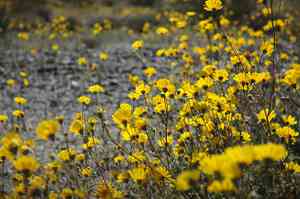
One of the most notable characteristics of Brittlebush is its striking appearance. The plant features silvery-gray leaves covered with fine hairs that help to reflect sunlight and reduce water loss. Additionally, it produces bright yellow flowers that bloom in the spring, providing a splash of color in otherwise barren landscapes. Its aesthetic appeal isn't confined to natural settings; Brittlebush is also a popular choice in xeriscaping and decorative gardening.
Practical Uses of Brittlebush
Traditional Applications
Indigenous peoples have long recognized the practical uses of Brittlebush. The plant's resin, which exudes from the stems, has historically been used as a natural adhesive. This sticky quality made it useful for repairing tools and creating artifacts. Additionally, the resin was sometimes used as a form of incense during religious or ceremonial practices. Understanding these traditional uses helps us appreciate the historical and cultural significance of Brittlebush.
Modern Applications
In contemporary settings, the plant continues to offer practical benefits. Gardeners and landscapers value it for its hardiness and low maintenance requirements. It's also used in erosion control due to its extensive root system, which stabilizes the soil. Furthermore, its adaptability makes it ideal for reclamation projects in arid areas, where it can help restore degraded lands.
How Can You Incorporate Brittlebush Into Your Landscape?
Xeriscaping
Xeriscaping is an increasingly popular form of landscaping that focuses on reducing the need for irrigation. Brittlebush is a perfect candidate for this type of garden design. By planting Brittlebush alongside other drought-tolerant species, homeowners can create a sustainable and visually appealing landscape that conserves water resources. Its bright flowers and unique foliage add texture and color, making the garden both eco-friendly and beautiful.
Companion Planting
Another way to incorporate Brittlebush into your landscape is through companion planting. Because of its drought tolerance, it pairs well with other low-water-use plants like cacti, succulents, and other desert natives. This type of planting not only enhances the visual harmony of your garden but also ensures that all plants within the landscape have compatible water and soil requirements. Companion planting can create a more balanced and sustainable garden ecosystem.
What Are the Ecological Benefits of Brittlebush?
Supporting Local Wildlife
Beyond its practical and aesthetic advantages, Brittlebush plays an essential role in its native ecosystem. The plant provides nectar and pollen for a variety of pollinators, including bees, butterflies, and hummingbirds. These pollinators are crucial for maintaining biodiversity and ensuring the health of surrounding plant life. By incorporating Brittlebush into your garden, you're also supporting these vital ecological processes.
Soil Health
Brittlebush contributes to soil health by preventing erosion and promoting soil structure. Its root system helps to anchor the soil, reducing the likelihood of erosion caused by wind or water. Additionally, the plant's growth cycle involves the shedding of leaves, which decompose and enrich the soil with organic matter. This natural process can improve soil fertility over time, making your garden more resilient.



