How Much Sunlight Do Needle spikerush Need?
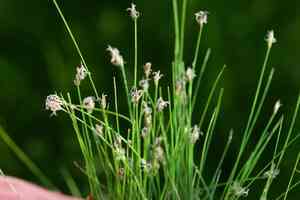
1
Needle spikerush flourishes in full sun to partial shade, demonstrating its adaptability.
2
Excessive sun exposure may cause Needle spikerush's leaves to yellow and growth to be inhibited.
3
Providing 6-8 hours of daily sunlight is best for Needle spikerush's peak development.
Optimal Light Conditions for Needle Spikerush
Full Sun Exposure
For Needle Spikerush to thrive, it ideally needs full sun. Providing this aquatic plant with at least 6-8 hours of direct sunlight daily helps maintain its vibrant green foliage and strong development. Ample sunlight not only promotes vigorous growth but also supports its complex root system, crucial for water purification in aquatic settings.
Partial Shade Tolerance
While Needle Spikerush flourishes in full sun, it can also adapt to partial shade. In areas where consistent full sun isn't available, placing the plant where it receives at least 3-4 hours of morning sun followed by filtered light in the afternoon can still support healthy growth. Partial shade protects the plant from intense afternoon sun and aids in moisture retention, which is beneficial.
Adapting to Dim Light
In certain situations, Needle Spikerush can tolerate low-light conditions, though it's not optimal for peak growth. In such cases, the plant's development may slow, and its foliage might appear less vibrant. However, if kept indoors or in shaded areas, ensure it receives indirect light for most of the day to maintain its well-being.
Impacts of Improper Light Exposure
Insufficient Light
Inadequate sunlight can negatively affect Needle Spikerush. When this plant doesn't receive enough light, it may show slower growth, smaller leaves, and pale, yellowish foliage. Over time, insufficient light can weaken the plant, making it more vulnerable to pests and diseases. It's vital to observe your plant and ensure it gets sufficient light to prevent these issues.
Excessive Light
Conversely, too much sunlight can also cause problems. When exposed to excessive direct sunlight, especially during the day's hottest hours, Needle Spikerush can suffer from sunburn, resulting in scorched leaves with brown tips. This overexposure can also lead to dehydration and stunted development. If you notice these symptoms, consider providing some shade or relocating the plant to prevent further damage.
Maximizing Sunlight for Needle Spikerush
Plant Placement
To optimize sunlight exposure for Needle Spikerush, position it where it can receive ample natural light. Outdoors, choose a spot that gets plenty of morning sun and some afternoon shade to shield the plant from intense heat. For indoor settings, a south-facing window is ideal, providing sufficient light throughout the day.
Utilizing Artificial Illumination
If natural sunlight is limited, artificial lighting can be a viable option for Needle Spikerush. Full-spectrum grow lights can mimic natural sunlight, delivering the necessary wavelengths for photosynthesis. Position grow lights about 12-18 inches (30-45 cm) above the plant, aiming for 12-14 hours of light daily to compensate for natural light deficiencies.
Seasonal Adjustments
Seasonal changes impact sunlight availability, necessitating periodic adjustments to your plant's position. During winter, when daylight hours are shorter, consider moving Needle Spikerush to a brighter location or extending artificial light duration. In summer, be mindful of intense midday sun and provide shade as needed to prevent leaf scorching.
Indicators of Proper Sunlight for Needle Spikerush
Healthy Growth Signs
When your Needle Spikerush receives the correct amount of sunlight, you'll observe several positive signs. The plant will display vibrant, green foliage, consistent growth, and healthy new shoots. Additionally, the leaves will have a firm texture, and the plant will appear robust and well-rooted. Noticing these indicators suggests your light management is effective.
Common Issues and Solutions
Despite best efforts, problems may arise. Common issues like yellowing leaves, brown tips, or slow growth often signal improper sunlight exposure. To resolve these, first assess the plant's location and light access. For yellowing leaves, increase sunlight exposure or consider using grow lights. For brown tips, provide some shade during peak sunlight hours. Regularly monitor the plant, making adjustments as needed to ensure optimal light conditions.



