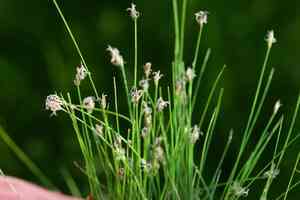
Needle spikerush (Eleocharis acicularis)
Also known as: Spikerush, Least spikerush, Slender spikerush
The least spikerush, scientifically named *Eleocharis acicularis*, is a flowering plant found in marshes and bogs across North America, Asia, South America, and Australia. This species, also called needle spikerush, is often grown as an aquatic ornamental plant.
In This Article
Attributes of Needle spikerush
Lifespan
Perennial, Annual
Plant Type
Grass
Plant Height
2.5 cm to 30 cm
Spread
3 m
Leaf Color
Green
Flower Size
Tiny, less than 1 mm
Flower Color
Brown Green
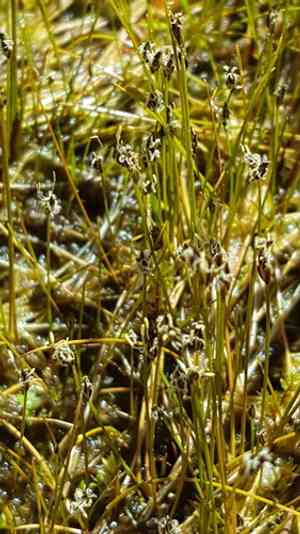
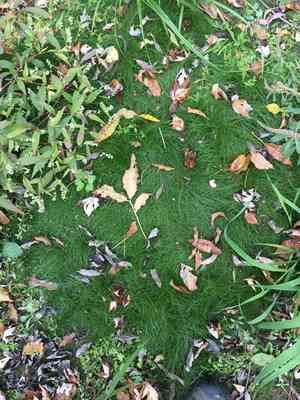
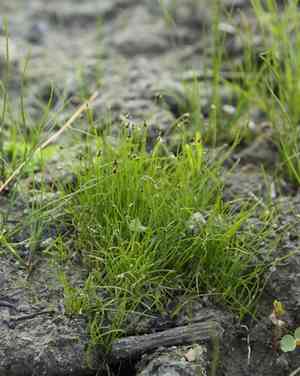
Images of Needle spikerush
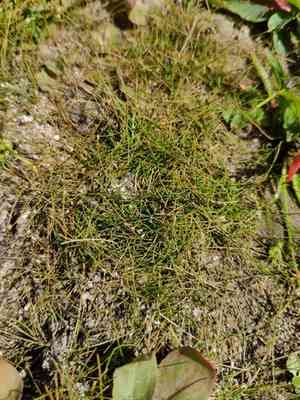
Quickly Identify Needle spikerush
1
Identifying Eleocharis acicularis involves looking for its thin, needle-like stems that are 10-15 cm tall. The stems are green and erect, growing in dense clumps. This species does not have prominent leaves, and flowers are tiny and inconspicuous.
Scientific Classification of Needle spikerush
Phylum
Vascular plants
Class
Monocotyledons
Order
Poales
Family
Sedge
Genus
Eleocharis
Species
Needle spikerush
Planting and Growing of Needle spikerush
Care Difficulty
Easy
Watering Schedule
Every 8 days
Sunlight Requirements
Partial sun
Sunshine Duration
6-10 hours
Ideal Temperature
68-77℉
Soil Type
Potting Mix, Peat Mix
Soil pH
6.5-7.5
Fertilizer Type
Balanced
Pruning Season
Spring, Summer
Pruning Area
Branches, Leaves
Pruning Frequency
2 times a year
Repotting Season
Spring
Pot Type
Plastic, Ceramic
 How to Water Needle spikerush?
Eleocharis acicularis appreciates consistent moisture. Aim to water around 100 milliliters each time, ensuring the soil remains damp but not waterlogged. Water thoroughly until excess drains from the pot.
What are the symptoms of an underwatered Needle spikerush?
›
What should I do if my Needle spikerush is not getting enough water?
›
What are the symptoms of an overwatered Needle spikerush?
›
How to save an overwatered Needle spikerush?
›
 What Are the Sunlight Requirements for Needle spikerush?
Eleocharis acicularis benefits from partial sun exposure. This ensures it receives adequate light for photosynthesis while minimizing the risk of light-induced stress, supporting overall plant vitality and maintaining aesthetic appeal.
More About Sunlight Requirements Techniques→
What is the best lighting condition for Eleocharis acicularis?
›
How can I achieve ideal lighting for Eleocharis acicularis?
›
What benefits does ideal lighting bring to Eleocharis acicularis?
›
 What Is the Ideal Temperature Range for Needle spikerush?
The ideal temperature range for Eleocharis acicularis, commonly known as Dwarf Hairgrass, is between 68°F and 77°F. This range supports optimal growth and allows the plant to thrive in both aquatic and terrestrial environments. Maintaining the plant within this temperature bracket ensures robust development and healthy coloration.
 What Soil is Best for Needle spikerush?
Eleocharis acicularis thrives in soil that retains moisture well, as it mimics its natural habitat in wetlands. This trait helps provide consistent hydration, supporting the plant's lush and vibrant growth. While moisture is crucial, it's equally important that the substrate does not become waterlogged. Well-drained soil prevents root rot and supports healthy root development, necessary for optimal plant health. The plant benefits from a nutrient-rich growing medium which provides essential nutrients for its growth. Incorporating organic matter can enhance soil fertility, promoting vigorous vegetative development.
 How to Fertilize Needle spikerush?
For Eleocharis acicularis, a light hand with nutrients is ideal. Consider using a diluted liquid fertilizer at half the standard concentration to prevent overwhelming the plant. Generally, 5ml per gallon of water works well.
 How to Prune Needle spikerush?
Be cautious not to over-prune Eleocharis acicularis as it may stress the plant and slow down its growth. A little goes a long way with this aquatic plant, and it is best to remove only a small portion at a time. After pruning, monitor the plant for any signs of nutrient deficiency. Pruning can sometimes stimulate new growth which requires more nutrients, so ensure your plant has access to adequate nutrients for optimal health.
More About Pruning Techniques→
 How to Propagate Needle spikerush plant?
1
Begin by watering Eleocharis acicularis thoroughly the day before you plan to divide it, which makes the soil easier to work with and reduces stress on the plant. Gather necessary tools like a sharp shovel and clean pruning shears.
2
Gently dig around the base of the plant with a shovel, being careful not to damage the roots. Lift out the clump and gently separate it into smaller sections, ensuring each section has ample roots attached.
3
Transplant each division into a new location or pot with suitable soil that retains moisture well. Water the newly planted divisions thoroughly to help them settle and establish.
 How to Repot Needle spikerush plant?
1
Repot Eleocharis acicularis when you notice slow growth or when roots start protruding from the drainage holes. These are signs that the plant has outgrown its current home. Typically, this happens annually or every two years in vigorous growth periods.
2
Select a pot slightly larger than the current container. A pot that is just one size larger ensures healthy root development without overwhelming the plant. Aim for pots with good drainage to prevent water stagnation, as this plant thrives in moist, but not waterlogged conditions.
3
Choose a mix that mimics the natural environment of Eleocharis acicularis: loamy and sandy with excellent drainage. The right soil ensures the roots stay aerated and helps prevent rot, promoting lush, vibrant growth typical of this aquatic plant.



