How to Propagate Needle spikerush?
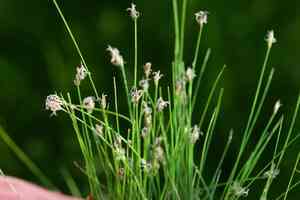
Eleocharis acicularis, a persistent aquatic flora, flourishes in marshlands and shallow aquatic environments. Its reproduction is efficiently achieved via segmentation, entailing the separation and transplantation of rhizome fragments. This method guarantees the preservation of Eleocharis acicularis's distinct attributes and fosters robust development. Cultivators ought to employ sanitized, keen implements for segmentation to avert harm and illness. Promptly re-establishing the divided segments in an appropriate aquatic or waterlogged substrate is crucial for improved rooting and proliferation.
Optimal Time for Needle Spikerush Propagation
Propagation Method
Splitting
Propagation Period
Spring,Autumn
Tools for Needle Spikerush Propagation
Sharp Knife or Gardening Scissors
These implements are vital for making clean cuts through the root systems and rhizomes of needle spikerush. A keen edge ensures swift, precise incisions that minimize harm to plant tissues, fostering healthier regeneration and lowering infection risk.
Watering Can with a Fine Rose
Following needle spikerush division, it's crucial to maintain consistent soil moisture without waterlogging. A watering can equipped with a fine rose attachment will help dispense water gently and uniformly, without disturbing the soil or new plantings.
Garden Fork or a Hand Trowel
Used for carefully lifting needle spikerush from the ground without causing excessive root disruption. This tool is especially useful for initially loosening the soil around needle spikerush, simplifying the process of lifting and dividing the plant with minimal damage.
Tray or Container with Water
This item is essential for temporarily holding needle spikerush divisions while preparing them for replanting. Keeping roots submerged in water reduces dehydration stress and helps maintain root hydration, which is vital for the plant's rapid recovery and growth.
Rooting Hormone (optional)
Though not mandatory, applying a rooting hormone can boost root development in needle spikerush divisions. This hormone stimulates root growth in new cuttings, helping them establish more quickly and successfully in their new environment.
How to Propagate Needle Spikerush?
Propagation Type
Simple
Caring for Newly Propagated Needle Spikerush
Caring for Newly Propagated Needle Spikerush
After propagation, needle spikerush needs consistent moisture or shallow water to flourish. Monitor water levels and ensure the planted area doesn't dry out, especially in warmer conditions. Minimal fertilization is required as needle spikerush grows well in nutrient-poor substrates. Manage its spread, as needle spikerush can become invasive in ideal wet environments.
Common Propagation Errors to Avoid with Needle Spikerush
Overwatering
Excessive moisture can lead to root rot and fungal diseases in needle spikerush. Its natural habitat includes wetlands, but stagnant water is harmful if not well-aerated.
Deep Planting
Planting needle spikerush too deeply can prevent the crown (where shoots meet roots) from getting enough air, which can hinder growth and even cause the plant to decay.
Ignoring Light Requirements
Insufficient light can result in weak, leggy growth in needle spikerush, impacting its overall health and aesthetic appeal.
Inadequate space
Crowding needle spikerush too closely restricts available nutrients and can impede growth, as each plant struggles to compete for limited resources.
Tips for Propagating Needle Spikerush
Shallow Planting
Plant needle spikerush superficially so the crown is just above the soil line. This promotes healthy growth and prevents rot.
Moderate Watering
Keep the soil moist but not waterlogged. Ensuring proper drainage is crucial to prevent root diseases in needle spikerush.
Sufficient Lighting
Ensure needle spikerush receives ample light, mimicking its natural bright, but not necessarily direct, sunlight habitat.
Proper Spacing
Space individual plants adequately to ensure all receive sufficient light and nutrients, fostering vigorous growth and reducing competition.



