How to Prune Needle spikerush?
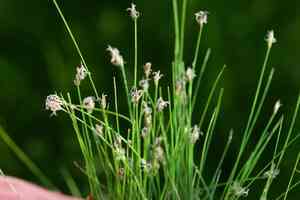
A small, enduring aquatic grass, needle spikerush flourishes in moist habitats. Remove withered or discolored leaves in early spring or during winter to foster vigorous development and sustain a pleasing look. Only snip off the impaired ends or portions, refraining from significant excisions to uphold the plant's health. Consistent trimming deters the buildup of detritus, guaranteeing effective water purification and light access, both crucial for needle spikerush's development. This upkeep not only improves its visual appeal but also encourages the formation of a strong, thick mat.
What Are the Benefits of Pruning Needle Spikerush?
What Are the Benefits of Pruning Needle Spikerush?
Trimming needle spikerush promotes robust development and helps maintain its density and form. By eliminating old or crowded stems, light and air can better reach the plant, fostering a healthier, more attractive look.
What Is the Best Time for Pruning Needle Spikerush?
What Is the Best Time for Pruning Needle Spikerush?
Early spring is optimal for trimming needle spikerush as the plant emerges from dormancy and begins its growth cycle, allowing for rapid recovery and regrowth post-trimming. Additionally, pruning in early spring enables gardeners to remove any winter-damaged foliage and shape the plant before its vigorous growing season. Winter is another suitable period for pruning needle spikerush since the plant is dormant and less likely to experience stress from trimming. During this time, there's also minimal risk of disease transmission through pruning cuts as many pathogens are inactive.
What Tools Do I Need to Prune Needle Spikerush?
Aquatic Plant Scissors
These scissors are perfect for trimming needle spikerush, as they are designed to cut cleanly underwater without disturbing the root system. Their extended reach makes it easy to access plants in deeper water.
Fine Pruning Shears
Small, sharp shears can be utilized for more precise control when trimming needle spikerush just above the water line. They are beneficial for maintaining the desired height and density of this aquatic plant.
Aquarium Tongs
These allow the gardener to remove dead or unwanted parts of needle spikerush without causing unnecessary stress to the remaining plants. They are especially useful when working in a water garden or aquarium environment.
How to Prune Needle Spikerush
Clean tools
Before trimming needle spikerush, ensure all cutting implements are clean to prevent the spread of disease during pruning.
Inspect
Carefully examine needle spikerush to identify any diseased or withered leaves. Look for leaves that are discolored, have spots, or appear dried out and brown.
Sanitize hands
Sanitize your hands before handling needle spikerush to avoid transferring any pathogens that may cause infection.
Trim diseased
Using sharp scissors or aquascaping tools, gently trim off the diseased leaves at the base where they meet the stem. Make sure to cut cleanly without tearing the leaves.
Remove withered
Proceed to remove withered leaves, also cutting at the base where they join the stem. These parts of needle spikerush are no longer beneficial and can be safely trimmed away.
Common Pruning Mistakes with Needle Spikerush
Over-pruning
Removing too much growth at once can stress needle spikerush, leading to poor plant health and reduced vigor. Aim to trim no more than one-third of the plant at any pruning session.
Uneven cuts
Making jagged or torn cuts can harm needle spikerush, as these can create entry points for pests and diseases. Use sharp tools to make clean, even cuts.
Pruning healthy growth
Unnecessarily cutting healthy foliage may hinder needle spikerush's ability to photosynthesize efficiently and grow. Focus on removing only dead or unhealthy portions.
Ignoring plant structure
Not taking into account the natural shape and growth pattern of needle spikerush during pruning can result in an unbalanced appearance and impede the plant's ability to thrive.
Common Pruning Tips for Needle Spikerush
Sharp tools
Use sharp, clean pruning shears or scissors to ensure precise cuts that will heal quickly, minimizing stress and the risk of disease for needle spikerush.
Regular maintenance
Perform regular light pruning on needle spikerush to remove dead or yellowed leaves and to thin out dense areas. This allows air and light to reach all parts of the plant, promoting healthy growth.
Growth direction
When pruning needle spikerush, make cuts just above the node from where you want new growth to emerge, encouraging fuller, more desirable growth patterns.
Post-pruning care
After pruning needle spikerush, provide the plant with optimal care, including appropriate water, light, and fertilization to support recovery and new growth.



