How Much Sunlight Do Wood pink Need?
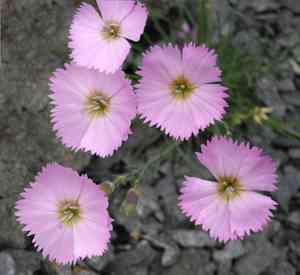
1
Wood pink flourishes with direct sun exposure exceeding six hours daily.
2
It can endure some shade, though this might impact its flowering.
3
Consulting sun maps can assist in locating an ideal garden position for Wood pink.
Ideal Light Conditions for Wood pink
Full Sun Exposure Preferences
The Wood pink thrives in bright light and performs best with full sun exposure. This means it requires at least six hours of direct sunlight daily. Providing this helps the plant produce vibrant flowers and maintain its vigor. For peak development, position Wood pink where it receives unfiltered sunlight.
Partial Shade Tolerances
While Wood pink prefers full sun, it can endure partial shade. If your garden has areas that are shaded for part of the day but still get ample sunlight at other times, these can be suitable spots. However, be aware that less sunlight may result in fewer blooms and slower development. It's a compromise between placement flexibility and peak performance.
Evaluating Your Garden's Light Conditions
Identifying Optimal Planting Locations
To locate the best spot for your Wood pink, observe your garden at various times of day. Note areas that receive the most sunlight, especially between 10 AM and 4 PM. South-facing locations are typically the brightest and perfect for sun-loving plants. Avoid overly shaded areas if you want your Wood pink to flourish.
Utilizing Sun Charts and Garden Mapping
Creating a sun chart can assist you in tracking sunlight exposure in different parts of your garden. Mark various sections of your garden and record how much sunlight they get throughout the day. This can be an enjoyable DIY project that ensures precise placement of your Wood pink. Garden mapping applications are also available for this purpose, offering a more technological approach to perfecting plant placement.
Seasonal Light Variations for Wood pink
Spring and Summer Light Needs
During the spring and summer months, Wood pink benefits from extended daylight hours. Ensure it receives sufficient sunlight to support robust growth and flowering. In this period, the plant is actively growing and developing blossoms, making sunlight vital for its overall health.
Fall and Winter Sunlight Adjustments
In autumn and winter, sunlight intensity and duration decrease. While Wood pink can adapt to these changes, it's crucial to ensure it still gets as much sunlight as possible. If the plant is in a particularly shady spot during these months, consider temporarily moving it to a brighter area or using reflective surfaces to enhance light exposure.
Protecting Wood pink from Excessive Sunlight
Signs of Sunburn in Wood pink
Too much direct sunlight can cause sunburn in Wood pink. Symptoms of sunburn include leaves turning brown or crispy, and petals becoming scorched. If you observe these signs, it indicates that the plant requires some protection from intense midday sun.
Implementing Shade Solutions
To shield your Wood pink from excessive sunlight, you can use shade cloths or garden umbrellas during peak sun hours. These solutions help filter the sunlight to reduce potential damage while still providing enough light for growth. This balance is essential in particularly hot climates.
Using Mulch to Retain Moisture
Applying mulch around your Wood pink helps maintain soil moisture and keeps root temperatures cooler. Organic mulches like wood chips or straw are excellent choices. This simple step can significantly aid in preserving the plant's hydration and overall health, especially during hot, sunny days.
Optimizing Growth with Proper Sunlight
Balancing Light and Nutrient Intake
Sunlight is vital, but so is adequate nutrition. Ensure your Wood pink receives balanced fertilizers to complement the sunlight it absorbs. A well-nourished plant can utilize sunlight more efficiently, leading to better blooms and healthier overall growth.
Companion Planting for Optimal Sunlight
Companion planting involves cultivating plants that benefit from each other's proximity. Pairing Wood pink with plants of similar light requirements ensures all your garden inhabitants thrive. Avoid taller plants that might overshadow your Wood pink, ensuring it continues to receive its necessary sunlight for optimal growth.



