The Wood pink Plant Advantage: Maximizing Home and Office Appeal and Wellness
1
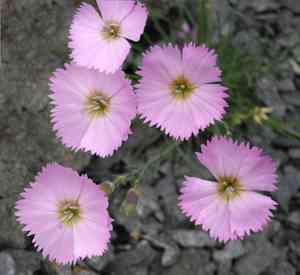
Wood pink introduces a lovely burst of color to any garden setting.
2
Wood pink is recognized for its delightful scent, which can enrich outdoor areas.
3
Wood pink draws in helpful insects, fostering a more robust garden environment.
Why Incorporate Wood Pink into Your Garden Design?
Aesthetic Appeal
Wood pink is celebrated for its vivid, striking blossoms that can serve as a captivating focal point in any garden setting. Its flowers display a spectrum of shades, from gentle pastels to intense hues, ensuring a color option for every gardener's preference. This visual charm makes Wood pink an excellent selection for border plantings, flower beds, and even container arrangements. Beyond its beauty, the plant's compact growth habit is perfect for creating neat, well-defined garden edges.
Aroma
The scent of Wood pink is another compelling reason to consider this plant for your outdoor space. Its sweet, spicy fragrance is particularly prominent in the evening, making it a delightful addition to gardens designed for relaxation and social gatherings. This aromatic quality can also contribute to a more pleasant outdoor ambiance and has the potential to induce feelings of calm and well-being.
How Does Wood Pink Benefit Garden Ecosystems?
Attracts Beneficial Insects
One of the less recognized advantages of Wood pink is its capacity to draw in helpful insects. Pollinators such as bees and butterflies are drawn to its flowers, which can aid in the pollination of other plants within your garden. Furthermore, Wood pink can attract other advantageous insects like ladybugs and hoverflies, which prey on common garden pests. This natural pest control can lessen the need for chemical pesticides, fostering a healthier garden environment.
Supports Biodiversity
Wood pink plays a vital role in sustaining local biodiversity. By offering a habitat and food source for various insects, it contributes to a more diverse and resilient garden ecosystem. Increased biodiversity generally leads to a healthier garden, as it helps balance populations and reduces the likelihood of pest outbreaks. Including Wood pink in your plantings can therefore support local wildlife and contribute to broader ecological health.
What Are the Practical Advantages of Cultivating Wood Pink?
Low Maintenance
Wood pink is relatively easy to care for, making it an excellent choice for both beginner and experienced gardeners. The plant is drought-tolerant, meaning it requires less frequent watering once established. It also possesses a natural resistance to many common garden pests and diseases, reducing the need for ongoing chemical treatments. This ease of care allows you to enjoy a beautiful and flourishing garden with minimal effort.
Versatile Applications
Wood pink is not solely confined to garden beds and borders; it can be utilized in various landscape designs. Its compact size and attractive blooms make it ideal for rock gardens, alpine gardens, and as a ground cover for larger areas. Additionally, it pairs well with other perennials and annuals, enhancing the overall aesthetic of mixed plantings. The versatility of Wood pink extends beyond traditional gardening contexts, making it a valuable addition to any outdoor space.



