How to Propagate Wood pink?
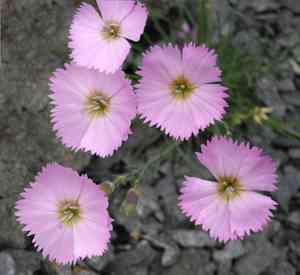
Wood pink flourishes most effectively when reproduced via seeding. The seeds ought to be embedded in a soil blend that drains efficiently, preferably in a sun-exposed spot to boost sprouting success. Irrigation needs to be regular yet restrained, guaranteeing the substrate stays damp without becoming waterlogged. This method enables wood pink to develop a strong root structure, crucial for vigorous growth and maturation within a garden environment.
Optimal Time for Wood Pink Propagation
Propagation Method
Seeding
Propagation Period
Spring
Tools for Wood Pink Propagation
Seed trays
Seed trays are vital for starting wood pink seeds in a controlled setting. These shallow containers facilitate easy management and organization of seeds, offering ample room for initial root growth. Their compact size helps maintain consistent soil moisture, which is crucial for wood pink germination.
Fine vermiculite or perlite
These materials are utilized for covering wood pink seeds post-sowing. Fine vermiculite or perlite assists in maintaining adequate moisture around the seeds while also ensuring good air circulation. This balance is essential for wood pink germination, preventing mold and supporting healthy root development.
Misting bottle
A misting bottle is employed to gently water seeds without disturbing them. It ensures even moisture distribution across the seed tray, providing necessary hydration for germination without causing soil erosion or exposing seeds, which is critical for delicate wood pink seeds.
Heating mat
A heating mat aids wood pink germination by maintaining a consistent soil temperature, especially important in cooler climates or seasons. Stable warm conditions promote faster, more uniform germination rates, crucial for effective wood pink establishment.
Grow lights
Grow lights are beneficial when natural light is insufficient, particularly for wood pink seedlings needing specific light intensity for optimal growth. These lights mimic natural sunlight, fostering stronger, healthier plant development through photosynthesis.
How to Propagate Wood Pink?
Propagation Type
Simple
Caring for Your Newly Propagated Wood Pink
Caring for Your Newly Propagated Wood Pink
Post-propagation, ensure wood pink receives ample sunlight, at least 6 hours daily. Water the plant regularly, allowing the soil to dry slightly between waterings. Fertilize every two weeks during the growing season with a balanced, water-soluble fertilizer. Protect wood pink from severe cold by mulching around the base in late fall. Regular deadheading will encourage further blooming and maintain plant vigor.
Common Mistakes to Avoid When Propagating Wood Pink
Overwatering
Excessive watering can lead to root rot in wood pink, severely impacting its health and reducing successful propagation chances. This species prefers well-drained soil.
Deep planting of seeds
Sowing wood pink seeds too deeply can hinder germination due to insufficient light exposure and may also increase fungal disease risk.
Tips For Propagating Wood Pink
Use well-draining soil
Planting wood pink in well-drained soil promotes healthy root development and prevents moisture-related issues like root rot, enhancing successful propagation chances.
Surface sowing
Since wood pink seeds require light for germination, they should be sown on the soil surface and lightly pressed down, rather than covered. This maximizes light exposure and improves germination rates.



