How Much Sunlight Do Fringed pink Need?
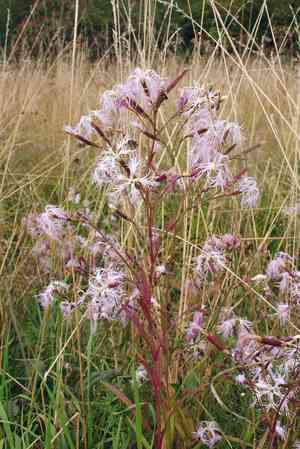
1
Dianthus superbus flourishes optimally with a minimum of six hours of direct sun daily.
2
Although it can withstand some dappled light, insufficient illumination may hinder flower production.
3
Varying times of the year necessitate modifying sun exposure to ensure peak development.
Optimal Light Conditions for Fringed pink
Full Sun Requirements
For robust development and vivid blossoms, Fringed pink requires a minimum of 6 hours of direct sun daily. Positioning the plant where it can absorb morning and afternoon sun will maximize its potential. Full sun encourages the development of rich coloration and strong flowers.
Partial Shade Tolerance
While full sun is ideal, Fringed pink can endure partial shade. This means it will still thrive with 3-6 hours of direct light or filtered sunlight throughout the day. However, be aware that excessive shade can lead to fewer and less vibrant blooms.
Daily Sun Exposure Duration
Daily exposure to sunlight should total at least 6 hours to maintain peak health and flower production for Fringed pink. If natural conditions prevent consistent light, consider relocating your plant or utilizing reflective surfaces to boost light exposure.
Understanding Light Intensity for Fringed pink
Morning vs. Afternoon Sunlight
Morning sunlight is typically less harsh and cooler, which is preferable for Fringed pink. In contrast, afternoon sunlight is usually hotter and more intense. Ideally, place your plant to receive morning sun to help it flourish without the stress of the stronger midday sun.
Avoiding Harsh Midday Sun
The midday sun can be exceedingly severe and potentially harmful. During the peak sunlight hours, often between 11 a.m. and 3 p.m., Fringed pink might suffer from leaf scorch or sunburn. If your plant is in a spot exposed to intense midday sun, providing some shade, like a garden umbrella or strategically placed taller plants, can protect it.
Indoor Lighting Considerations
If you're cultivating Fringed pink indoors, position it near a south or west-facing window to ensure ample light. If natural light is insufficient, consider supplementing with full-spectrum grow lights to emulate the sun and provide your plant with the necessary energy for healthy growth and blooming.
Impacts of Inadequate Sunlight on Fringed pink
Symptoms of Excessive Sunlight
Too much sunlight can cause Fringed pink leaves to wilt, turn brown, or develop scorched patches. Flowers might become bleached or shriveled, and overall plant vigor can decline. Ensuring your plant has sufficient shade during the hottest part of the day can prevent these issues.
Signs of Insufficient Light
Without enough light, Fringed pink may exhibit stunted development, fewer blossoms, and pale foliage. The plant might stretch towards the light source, resulting in a leggy appearance. It's vital to monitor and adjust its placement to ensure adequate sunlight throughout the day.
Correcting Light Issues
If your Fringed pink displays signs of improper sunlight exposure, the initial step is to move it to an optimal lighting environment. For too much sun, introduce some shade; for insufficient light, relocate it to a brighter spot or use grow lights. Regularly observe your plant and make adjustments as needed.
Seasonal Light Variations for Fringed pink
Spring and Summer Care
Spring and summer are critical growth periods for Fringed pink. Ensure the plant receives full sunlight during these seasons, adjusting as needed for daily weather changes. Regular irrigation and fertilization will complement the sunlight exposure for lush growth and vibrant blooms.
Fall and Winter Adjustments
During fall and winter, sunlight intensity and duration decrease. You may need to move Fringed pink to a location with more direct light or use supplemental indoor lighting to compensate. Ensure the plant is shielded from frost and cold drafts if kept outdoors during these months.
Adapting to Climate Changes
Climate variations can influence the amount of light Fringed pink receives. Regularly monitoring and adapting to changing conditions—such as relocating to new spots or adjusting supplemental lighting—will help maintain the plant's health and blooming capabilities despite weather fluctuations.



