How to Prune Fringed pink?
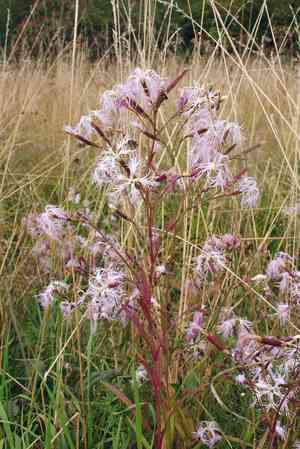
Distinguished by its serrated petal margins, Dianthus superbus thrives with intentional trimming to foster robust development and abundant blossoms. The primary method entails consistent removal of spent flowers, which stimulates further blooming. Trimming can be performed year-round, concentrating on eliminating lifeless or frail stalks to sustain vitality. This action not only improves the plant's aesthetic appeal but also deters ailments by improving air movement among the leaves. Proper pruning guarantees a dense, sturdy specimen with a lavish floral exhibition.
What Are the Benefits of Pruning Fringed Pink?
What Are the Benefits of Pruning Fringed Pink?
Trimming fringed pink promotes a burst of new flowers and robust development. By carefully removing spent blossoms and shaping the plant, gardeners maintain its look and foster its overall well-being.
What Is the Best Time for Pruning Fringed Pink?
What Is the Best Time for Pruning Fringed Pink?
Pruning fringed pink from late winter to early spring allows for the removal of dead or damaged stems before new growth emerges, encouraging healthy development. This timing ensures the plant's energy is directed towards fresh growth, boosting its flowering potential. It's also easier to discern the structure of fringed pink without leaves, leading to a more precise cut. Furthermore, this period minimizes the risk of disease transmission, as many pathogens are less active. Trimming after blooming encourages a second flush, so light pruning after the initial flowering cycle can be advantageous.
What Tools Do I Need to Prune Fringed Pink?
Bypass Pruners
Perfect for making clean cuts on the thinner stems of fringed pink without causing unnecessary harm to the plant's delicate structure.
Shears
Useful for shaping fringed pink and for cutting back clusters more efficiently, especially when dealing with multiple stems simultaneously.
Gardening Gloves
Though not a cutting implement, gloves offer protection for the gardener's hands from potential irritants on fringed pink's foliage or from accidental scrapes and cuts.
Fine-toothed Pruning Saw
Handy for cutting through thicker stems if fringed pink has become particularly woody, though this is less frequently required.
How to Prune Fringed Pink
Cleaning tools
Before starting, clean and sanitize pruning tools to prevent the spread of disease to fringed pink.
Remove diseased parts
Begin with diseased leaves and branches, carefully removing them from fringed pink using sharp, clean shears to prevent further infection.
Dead material removal
Cut away any dead or withered leaves, as well as dead branches, to encourage healthy growth and improve air circulation around fringed pink.
Prune withered flower
Snip off faded flowers just above the nearest set of leaves to encourage fringed pink to produce new blooms.
Shaping cleanup
Finally, shape fringed pink by selectively trimming overgrown areas for symmetry. Clear all removed material from the area to deter pests.
Common Pruning Mistakes with Fringed Pink
Overpruning
Removing too much growth from fringed pink can weaken the plant, delay flowering, or result in a less dense form. It is important to prune only what is necessary to shape the plant and remove dead or diseased material.
Improper cut location
Cutting too far from a node, or cutting into live, healthy tissue can invite disease and doesn't encourage proper regrowth. Always cut just above a node or a branching point for optimal results.
Using dull tools
Utilizing dull pruning shears can damage the stems of fringed pink, leading to jagged cuts that make the plant more susceptible to disease and pests.
Disposing of healthy cuttings
Discarding healthy cuttings of fringed pink is a missed opportunity for propagation. Fringed pink can be propagated from stem cuttings, so gardeners should consider using healthy trimmings to grow new plants.
Ignoring disease prevention
Not disinfecting pruning tools before and after use can spread disease from infected plants to healthy ones. It's crucial to clean tools to prevent this.
Common Pruning Tips for Fringed Pink
Selective pruning
Focus on removing dead or fading flowers from fringed pink to encourage more blooms. This process, known as deadheading, promotes continuous flowering and redirects the plantâs energy towards new growth.
Thinning out old stems
Prune older stems to improve air circulation, which is vital in preventing fungal diseases. This involves selectively removing some of the older wood to allow light and air to penetrate the center of the clump.
Shaping for healthy growth
Shape fringed pink by making cuts at varying lengths to maintain a natural-looking form. Avoid shearing off the plant tops uniformly, as this can result in a less appealing, artificial appearance.
Maintenance pruning
Periodically trim fringed pink to remove weak or spindly stems. This encourages the growth of stronger, more vigorous stems, which will support larger, more vibrant blooms.
After-flowering care
Once fringed pink has completed its flowering cycle, trim back the stems to just above the base of the plant. This cleanup will help in reducing the likelihood of disease and prepare the plant for the next growing season.



