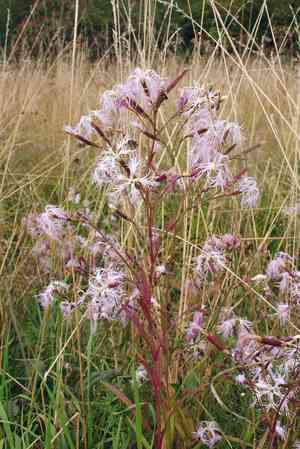
Fringed pink (Dianthus superbus)
Also known as: Superb pink
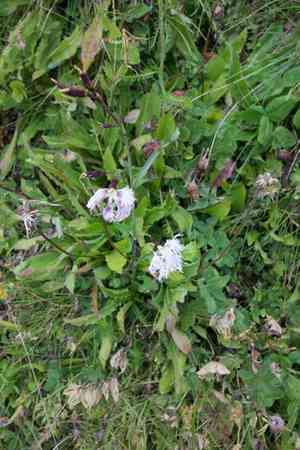
The fringed pink (Dianthus superbus) is a striking wildflower commonly grown in gardens. Naturally, it thrives in the mountainous regions of Eurasia, flourishing at elevations up to 2400 meters. It is particularly adapted to grasslands, meadows, and open woodlands in these high-altitude environments. Beyond its beauty, the fringed pink plays a crucial ecological role by attracting pollinators such as bees and butterflies. Additionally, it serves as the exclusive food source for the large moth (Coleophora muscula), highlighting its importance in supporting specific wildlife.
Attributes of Fringed pink
Images of Fringed pink
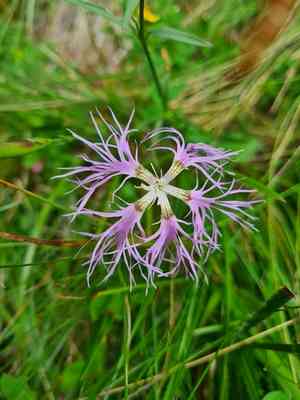
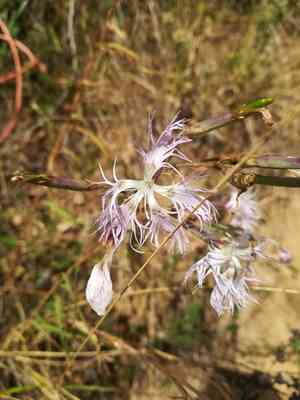
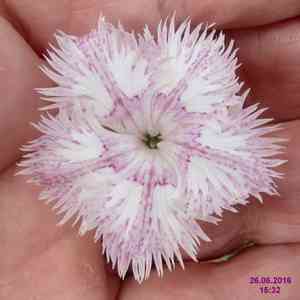
Quickly Identify Fringed pink
Scientific Classification of Fringed pink
Planting and Growing of Fringed pink
 How to Water Fringed pink?
 What Are the Sunlight Requirements for Fringed pink?
 What Is the Ideal Temperature Range for Fringed pink?
 What Soil is Best for Fringed pink?
 How to Fertilize Fringed pink?
 How to Prune Fringed pink?
 How to Propagate Fringed pink plant?
 How to Repot Fringed pink plant?
Toxicity of Fringed pink
Is Fringed pink toxic to humans?
Fringed pink is known to have a slight toxicity level for humans, primarily as a result of ingestion. This entire plant is composed of saponins, the compounds responsible for its toxic characteristics. When consumed, these saponins may trigger various symptoms, including nausea, vomiting, diarrhea, and possible irritation of mucous membranes. Since all parts of fringed pink are toxic, it is crucial to take precautions to avoid accidental consumption. The plant’s mild toxicity indicates that, while symptoms may be bothersome, they are generally not life-threatening. Nevertheless, individuals should exercise caution and refrain from ingesting any part of fringed pink to mitigate these negative health impacts.
Is Fringed pink toxic to cat?
Fringed pink presents a moderate toxicity hazard to cats if they happen to consume it inadvertently. The entire plant contains saponins, which can trigger physical discomfort in felines upon ingestion. These symptoms may arise from the plant's natural properties that impact a cat's well-being. Cats are known to nibble on or ingest various parts of fringed pink, which can result in possible poisoning. Should a cat show indications of illness after encountering the plant, it is vital to obtain prompt veterinary assistance to guarantee the cat receives necessary care and attention.
Is Fringed pink toxic to dog?
Fringed pink is categorized as mildly toxic to dogs. Consumption of any portion of the plant can lead to poisoning, as the entire plant contains toxic elements. Dogs typically ingest fringed pink accidentally. Following consumption, a dog might display symptoms such as gastrointestinal distress, vomiting, or diarrhea, which are caused by the saponins, the toxic compounds found in this plant. If you believe your dog has ingested fringed pink, it is crucial to obtain prompt veterinary assistance to guarantee appropriate treatment and address any potential poisoning.



