How to Propagate Fringed pink?
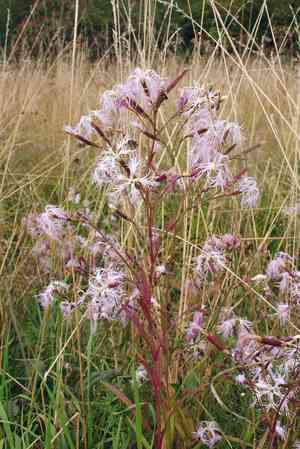
Dianthus superbus flourish when reproduced through cuttings, a technique particularly effective for cultivators aiming to preserve the genetic characteristics of their specimens. Select robust, non-blooming stems for cuttings to guarantee superior root development. Place the cuttings into a potting blend that drains efficiently, preferably in an environment with regulated light and humidity to encourage successful growth. Consistent observation of moisture levels and preventing excessive watering can greatly improve the rooting process, rendering it a practical and gratifying approach for any gardening aficionado.
Optimal Time for Fringed Pink Propagation
Propagation Method
Cutting
Propagation Period
Spring,Summer
Tools for Fringed Pink Propagation
Sharp Pruning Shears
These are vital for taking precise, clean cuts from fringed pink. Sharp blades minimize harm to the parent plant, reducing disease risk and promoting quicker healing. This is crucial for fringed pink's health, as jagged cuts can allow pathogens to enter.
Rooting Hormone
This chemical compound encourages root development in fringed pink cuttings. Applying rooting hormone to the cut end boosts the likelihood of successful rooting by fostering rapid, healthy root formation. This is especially beneficial for fringed pink, improving overall propagation success.
Sterile Potting Mix
A clean, well-draining medium, such as sterile potting mix, offers an ideal environment for fringed pink cuttings to root. It minimizes the danger of soil-borne illnesses, which is critical during the delicate initial stages of root growth in cuttings.
Propagation Trays
These trays offer an organized, efficient space for multiple fringed pink cuttings. They help maintain necessary humidity and temperature, key factors in root development. Especially with a clear dome or plastic cover, they can create a mini-greenhouse effect.
How to Propagate Fringed Pink
Propagation Type
Easy
Caring for Newly Propagated Fringed Pink
Caring for Newly Propagated Fringed Pink
Once roots are established, typically in 2-4 weeks, gradually introduce fringed pink to less humid conditions by removing the plastic cover for longer durations daily. Transplant into a larger container or a permanent garden spot in well-draining soil. Water fringed pink regularly to keep the soil moist but not waterlogged. Fertilize monthly with a balanced, water-soluble fertilizer during the growing season. Prune fringed pink to remove dead or spent flowers and encourage denser growth. Protect from strong winds and provide a sunny location for optimal health and blooming.
Common Propagation Mistakes for Fringed Pink
Overwatering
Providing fringed pink with too much water can lead to root rot, which is detrimental to its health and propagation success. This plant thrives in well-drained soil, and excessive moisture can suffocate its roots, hindering growth and eventually killing the plant.
Insufficient Light
Failing to provide adequate light for fringed pink can result in leggy plants with weak stems. Proper light is essential for healthy growth and flower production. A lack of sufficient light can severely impair the plant's ability to photosynthesize effectively, leading to poor overall vigor.
Incorrect Soil Mix
Using a soil mix that drains poorly or doesn't meet fringed pink's specific requirements can impede its root development. A poorly chosen soil mix can retain too much moisture or not provide enough aeration, both crucial for the root health of fringed pink.
Overcrowding
Fringed pink seeds or cuttings planted too closely can lead to competition for nutrients, light, and space, severely impacting their growth and survival rate. Overcrowding can also facilitate the spread of diseases among young plants.
Tips for Propagating Fringed Pink
Use Well-Draining Soil
For successful fringed pink propagation, use a soil mix that offers excellent drainage yet retains adequate moisture. A blend of peat, perlite, and sand is often suitable, supporting healthy root growth without excessive water retention.
Moderate Watering
Water fringed pink sufficiently to keep the soil moist but not waterlogged. Ensure the pot or bed has good drainage to prevent water accumulation. Consistent watering helps establish strong, healthy roots.
Provide Adequate Lighting
Fringed pink thrives in areas with ample light. Ensure the propagation space receives bright, indirect sunlight to promote vigorous growth without scorching the foliage. Positioning is crucial, whether indoors or outdoors.
Space Appropriately
When sowing seeds or planting fringed pink cuttings, ensure they are adequately spaced to prevent overcrowding. This spacing allows for proper air circulation, reduces disease risk, and provides each plant with sufficient resources for effective growth.



