The Fringed pink Plant Advantage: Maximizing Home and Office Appeal and Wellness
1
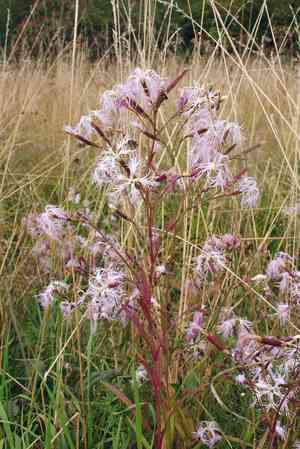
This botanical specimen is recognized for its aromatic, frilly blossoms.
2
It flourishes across diverse soil compositions, offering adaptability for numerous garden settings.
3
Beyond its decorative appeal, the plant draws in advantageous pollinators.
Elevating Your Outdoor Space
Why Select Fringed Pink for Your Landscape?
A primary reason Fringed pink makes a superb addition to any garden is its striking visual appeal. Its petals feature a delicate, fringed look that imparts elegance and charm. Furthermore, Fringed pink comes in various hues, from soft pinks and whites to vivid purples, facilitating coordination with other garden flora.
Versatility in Soil Conditions
Unlike many decorative plants that demand specific soil types to flourish, Fringed pink is remarkably adaptable. It can thrive in sandy, loamy, and even slightly acidic soils, provided there's adequate drainage. This adaptability renders Fringed pink suitable for diverse garden environments, from traditional flower beds to rock gardens and borders.
Attracting Beneficial Pollinators
Supporting Bee Populations
Bees are vital to our ecosystems, and gardeners play a key role in sustaining their numbers. Fringed pink produces nectar-rich blooms that are especially appealing to bees, offering them a dependable food source. By cultivating Fringed pink, gardeners can help maintain local bee populations, positively impacting biodiversity and garden health.
Butterflies and Other Pollinators
Beyond bees, Fringed pink acts as a magnet for butterflies and other pollinators. Its fringed petals and vibrant colors serve as a beacon, drawing these beneficial insects into the garden. This not only aids in the pollination of other plants but also adds a dynamic, lively element to your garden as butterflies and bees flit about, enhancing its overall aesthetic and ecological value.
Effortless Beauty
Minimal Irrigation Requirements
One notable advantage of Fringed pink is its relatively low water needs. Once established, the plant is quite drought-tolerant, requiring only occasional watering during prolonged dry periods. This makes Fringed pink an excellent choice for gardeners seeking beautiful yet easy-to-maintain plants.
Resistance to Pests and Diseases
Another significant characteristic of Fringed pink is its resilience against common garden pests and diseases. The plant's robust nature means it needs fewer chemical interventions, allowing gardeners to maintain a healthier, more eco-friendly garden. This hardiness not only simplifies Fringed pink care but also contributes to a safer environment for both humans and wildlife.
Culinary and Aromatic Applications
Enhancing Food Flavor
Beyond its decorative appeal, Fringed pink can be an unexpected addition to culinary endeavors. Its petals are edible and can be used to garnish salads and desserts, offering both visual appeal and subtle flavor enhancements. This makes Fringed pink a delightful option for those who enjoy experimenting with floral ingredients in their cooking.
Crafting Fragrant Potpourri
The aromatic petals of Fringed pink can also be dried and incorporated into potpourri, bringing a pleasant scent into your home. This use demonstrates the plant's versatility, extending its benefits beyond the garden and into your living space. The sweet fragrance of Fringed pink can create a calming atmosphere, making it a valuable component for homemade aromatic projects.



