How Much Sunlight Do Florida beggar weed Need?
1
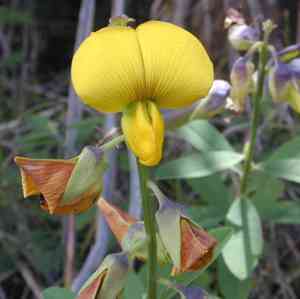
Florida beggar weed flourishes optimally in full sun, needing over 6 hours of direct light each day.
2
Although it can endure partial sun and complete shade, prolonged periods lacking adequate light may impede its development.
3
Relocating the plant based on the season can guarantee it gets the ideal amount of sunlight throughout the year.
Understanding Light Needs for Florida Beggarweed
Why Light is Essential for Florida Beggarweed
Light plays a key role in the life of Florida beggarweed. This plant naturally prefers full sun, which is vital for its overall health and strength. Sufficient light allows the plant to efficiently perform photosynthesis, the process where it converts light energy into the food it needs to grow. Without enough light, Florida beggarweed may experience stunted growth, poor blooming, and a dull appearance.
Photosynthesis and Development in Florida Beggarweed
Photosynthesis powers the growth of Florida beggarweed. This process requires sunlight, water, and carbon dioxide to create glucose, the plant's main energy source. Beyond promoting strong growth, photosynthesis is crucial for the plant's ability to produce flowers and seeds. With proper light exposure, Florida beggarweed can maintain its lush foliage and vibrant blooms, enhancing its overall appeal.
Optimal Light Conditions for Florida Beggarweed
Ideal Daily Light Duration
For peak health and development, Florida beggarweed should get at least 6 to 8 hours of direct sunlight daily. This exposure provides the energy needed for it to flourish. While it can survive with less, especially in partial or full shade, extended periods without adequate light can impact its vitality and flowering capacity.
Partial Shade vs. Full Sun
Florida beggarweed is adaptable and can handle various light conditions. In partial shade, where it receives filtered or dappled light throughout the day, it will grow but with less vigor than in full sun. Conversely, full sun conditions, where the plant gets uninterrupted direct light, are more favorable for thriving. Proper placement is key to finding a balance that supports healthy growth.
Seasonal Light Requirements
The light needs of Florida beggarweed can change with the seasons. During peak summer, the plant benefits from abundant daylight hours. However, in winter, when daylight is shorter, it might be necessary to adjust its location to maximize sun exposure. Moving the plant to brighter spots or using supplemental lighting can help maintain its health year-round.
Tips for Ensuring Proper Light Exposure for Florida Beggarweed
Choosing the Right Planting Spot
Selecting the correct planting location is crucial for ensuring Florida beggarweed receives the light it requires. Pick an area with unobstructed sunlight for most of the day. Avoid placing the plant near tall structures or dense trees that might cast shadows and limit light exposure. Gardeners can also use raised beds or containers for more control over light access.
Utilizing Artificial Light Sources
When natural light is insufficient, especially during cloudy seasons or indoors, artificial lights can supplement the plant's light needs. Full-spectrum grow lights are an excellent way to mimic natural sunlight. Position the lights at an appropriate distance from the plant to ensure even light distribution, promoting healthy growth and flowering.
Observing Plant Behavior for Light Deficiency
It's important to monitor Florida beggarweed for signs that it might not be getting enough light. Symptoms of light deficiency include yellowing leaves, elongated stems, and sparse foliage. If you notice these signs, consider moving the plant to a brighter spot or increasing its exposure to artificial light.
Common Light Issues and Solutions for Florida Beggarweed
Signs of Excessive Light
While Florida beggarweed thrives in full sun, too much exposure, especially in extreme heat, can be harmful. Signs of excessive light include scorched or browned leaves and wilting. To remedy this, provide some shade during peak afternoon hours or ensure adequate watering to help the plant cope with intense light.
Signs of Insufficient Light
Inadequate light can cause Florida beggarweed to become leggy, with sparse and stretched stems. The leaves may turn pale green, and the plant's growth will generally slow. If this occurs, it's crucial to move the plant to a location with more light or improve its lighting conditions.
Adjusting Light Exposure
Adjusting light exposure involves changing the plant's position based on season and daily light patterns. In summer, offer some afternoon shade to prevent scorching. During shorter winter days, consider moving the plant to a south-facing window or using grow lights to ensure it gets enough light. Regular adjustments based on the plant's needs will foster sustained growth and health.



