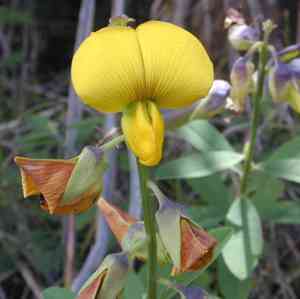
Florida beggar weed (Desmodium tortuosum)
Also known as: Giant beggar weed, Tick trefoil
Velvet bean, native to the American tropics, has been spread globally for its benefits as a nitrogen-fixing cover crop and for hay production. Despite these advantages, it is often viewed as a troublesome weed by farmers due to its tendency to invade cultivated fields.
In This Article
Attributes of Florida beggar weed
Lifespan
Perennial, Annual
Plant Type
Herb
Plant Height
30 cm to 1.2 m
Spread
The crown diameter can spread up to 50-70 cm (20-28 inches)
Leaf Color
Green
Flower Size
30 cm
Flower Color
Pink Purple
Images of Florida beggar weed
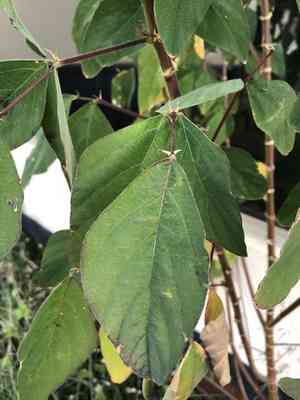
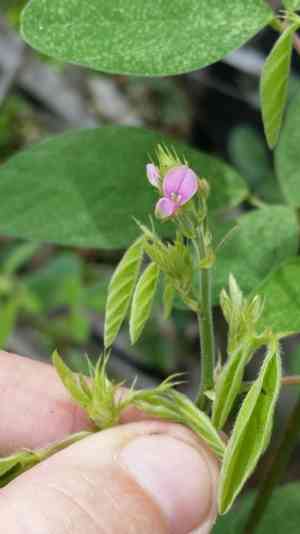
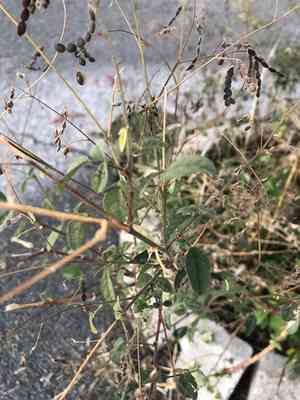
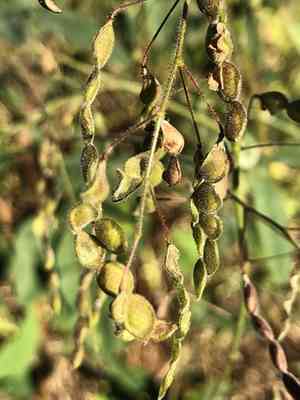
Quickly Identify Florida beggar weed
1
This plant can be identified by its trifoliate leaves, with each leaflet being ovate to lanceolate. The stems are covered with fine hairs and the flowers are small, purple or pink, arranged in racemes. The seed pods are segmented and break into single-seeded units.
Scientific Classification of Florida beggar weed
Phylum
Vascular plants
Class
Dicotyledons
Order
Fabales
Family
Legume
Genus
Tick clover
Species
Florida beggar weed
Planting and Growing of Florida beggar weed
Care Difficulty
Easy
Watering Schedule
Every 2 days
Sunlight Requirements
Full sun
Sunshine Duration
4-8 hours
Ideal Temperature
68-86℉
Soil Type
Potting Mix, Peat Mix
Soil pH
6-7.5
Fertilizer Type
Balanced
Pruning Season
Spring, Summer
Pruning Area
Branches, Leaves
Pruning Frequency
2 times a year
Repotting Season
Spring
Pot Type
Plastic, Ceramic
 How to Water Florida beggar weed?
Desmodium tortuosum needs a moderate amount of water, typically around 500 ml per session. Ensure the top soil is moist but not waterlogged. It's crucial to allow the soil to dry slightly between watering sessions to prevent root rot and simulate natural rain patterns.
What are the symptoms of an underwatered Florida beggar weed?
›
What should I do if my Florida beggar weed is not getting enough water?
›
What are the symptoms of an overwatered Florida beggar weed?
›
How to save an overwatered Florida beggar weed?
›
 What Are the Sunlight Requirements for Florida beggar weed?
Desmodium tortuosum prefers full to partial sun exposure. Proper sunlight ensures vigorous growth, profuse flowering, and pest resistance, enhancing its decorative and functional plant properties.
More About Sunlight Requirements Techniques→
Ideal Sunlight Duration
›
Protecting from Overexposure
›
Adjusting Seasonal Lighting
›
 What Is the Ideal Temperature Range for Florida beggar weed?
Desmodium tortuosum thrives best at a stable range of temperatures between 68 and 86 degrees Fahrenheit. This range of temperature mimics its native environment and ensures robust growth and development. Keeping the plant within this temperature band will help avoid stress that can lead to stunted growth or susceptibility to pests and diseases.
 What Soil is Best for Florida beggar weed?
Desmodium tortuosum thrives best in well-drained soils that prevent waterlogging. This helps the plant by ensuring its roots remain aerated, avoiding issues related to root rot and promoting healthy growth. A soil rich in organic matter and nutrients is ideal for Desmodium tortuosum. Providing nutrients facilitates robust growth, flowering, and resilience against environmental stresses. While the plant can tolerate variability, maintaining moderate soil moisture supports its optimal physiological functions, resulting in vibrant foliage and sustained vitality.
 How to Fertilize Florida beggar weed?
Desmodium tortuosum requires a balanced fertilization approach to thrive optimally. For liquid fertilizers, a concentration of 1 tablespoon per gallon of water is ideal. Slow-release fertilizers should be applied at a rate of 1 pound per 100 square feet. This ensures a steady supply of nutrients without overwhelming the plant.
 How to Prune Florida beggar weed?
Inspect your plant regularly to identify areas that need pruning. By being proactive, you'll catch any issues early and keep your plant looking its best. Wait until after flowering to do significant pruning. This timing ensures you don't remove any potential blooms and can shape the plant before the next growing season. Dispose of pruned branches away from your garden to prevent any potential disease from spreading back into the plant or nearby vegetation.
More About Pruning Techniques→
 How to Propagate Florida beggar weed plant?
1
Start by collecting ripe seeds from the plant. Ensure the seeds are clean and free from any debris. Let them dry for a few days if needed, as this can enhance germination rates when planting.
2
Fill seed trays with a well-draining potting mix. Sow seeds sparingly on the surface and cover them with a thin layer of soil. Water gently to avoid displacing seeds and ensure the mix is adequately moist.
3
Select a healthy branch and cut a 4-6 inch section just below a leaf node. Remove lower leaves to expose nodes, which will encourage root development when planted into soil.
 How to Repot Florida beggar weed plant?
1
Desmodium tortuosum typically needs repotting when its roots start to outgrow the current pot, making the plant look pot-bound. Other signs include slowed growth and water quickly draining through the pot. Spring and summer are ideal because the plant is in its active growth phase, helping it quickly rebound from any disturbance.
2
The pot should be slightly larger than the current one, featuring drainage holes to prevent root rot. Favor lightweight materials like plastic or terracotta. A suitable pot ensures proper drainage and prevents waterlogging, supporting healthy root development and overall plant vitality.
3
A well-draining potting mix is essential to prevent waterlogging. A mix of perlite, peat, and a standard potting substrate can work wonders. Well-draining soil ensures adequate moisture without oversaturation, promoting healthy growth and reducing the risk of root diseases.
Learn More About Florida beggar weed Diseases
Anthracnose
Bacterial Leaf Spot
Bacterial Wilt
Crown Gall
Cyst Nematode
Damping-off
Downy Mildew
Drought Stress
Fusarium Wilt
Gray Mold
Leaf Curl
Leaf Spot
Mosaic
Nutrient Deficiency
Nutrient Toxicity
Powdery Mildew
Root Rot
Root-knot Nematode
Rusts
Sooty Mold
Spider Mites
Temperature Stress
Thrips Damage
White Mold



