How to Prune Florida beggar weed?
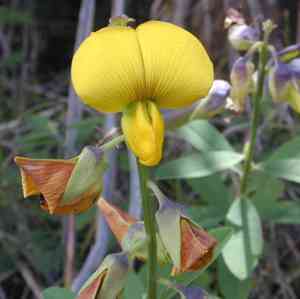
This enduring leguminous plant flourishes in diverse soil types, notable for its capacity to fix nitrogen. Trim florida beggar weed by snipping the ends to foster a denser form and eliminate any lifeless or excessively long stalks to preserve the preferred contour and dimensions. The most effective time for trimming is from Spring through early Autumn, coinciding with its periods of active development. Consistent trimming enhances air movement, diminishes pest problems, and stimulates robust growth, thereby augmenting its utility as an advantageous cover crop.
What Are the Benefits of Pruning Florida Beggar Weed?
What Are the Benefits of Pruning Florida Beggar Weed?
Trimming florida beggar weed promotes robust development and helps maintain its form, leading to a more vigorous and visually appealing look. Regular cutting can also result in a healthier plant that is more resilient to pests and illnesses.
What Is the Best Time for Pruning Florida Beggar Weed?
What Is the Best Time for Pruning Florida Beggar Weed?
Pruning or trimming florida beggar weed in Spring is advantageous as it coincides with the start of the plant's active growth phase, allowing for rapid recovery and encouraging lush foliage. Summer pruning can help preserve shape, manage size, and eliminate any diseased or damaged leaves that may have appeared. It also ensures the plant doesn't expend energy on unwanted growth. During the Fall, light pruning is beneficial to prepare florida beggar weed for dormancy by removing any parts susceptible to disease or pest infestation over winter. Pruning during these seasons avoids the flowering and fruiting period, safeguarding the plant's health and productivity.
What Tools Do I Need to Prune Florida Beggar Weed?
Hand Pruners
Perfect for making precise cuts on florida beggar weed's thinner stems and branches, minimizing harm to the plant.
Lopping Shears
Suitable for cutting through thicker stems or branches of florida beggar weed that hand pruners cannot manage due to their enhanced leverage.
Pruning Saws
Recommended for any mature or woody growth of florida beggar weed that lopping shears might struggle with, providing a clean cut without tearing.
Hedge Shears
Effective for shaping and controlling florida beggar weed when dealing with clumps or hedges, allowing for uniform cutting of multiple stems simultaneously.
Gardening Gloves
Crucial for protecting hands from thorns or rough stems of florida beggar weed during pruning.
Pruning Sealer
Useful for applying to larger cuts to shield florida beggar weed from diseases and pests, promoting faster healing.
How to Prune Florida Beggar Weed
Disinfect Tools
Before beginning, sanitize all pruning tools using a solution of one part bleach to nine parts water to prevent the spread of diseases to florida beggar weed.
Remove Diseased Leaves
Carefully trim away diseased leaves from florida beggar weed, ensuring clean cuts to prevent further damage to healthy tissue. Place diseased debris in a separate bag to avoid contamination.
Cut Withered Leaves
Snip withered leaves of florida beggar weed at the base where they connect to the stem or branch. This encourages healthy growth and removes parts no longer beneficial to the plant.
Prun Dead Branches
Identify and cut back dead branches on florida beggar weed to the point where they meet healthy wood, making the cut just above a bud or side branch. This helps redirect energy to thriving parts of the plant.
Eliminate Diseased Branches
Carefully remove any diseased branches from florida beggar weed by making a cut at least several inches into healthy tissue to ensure complete removal of infected parts. Disinfect the tool after each cut.
Common Pruning Mistakes with Florida Beggar Weed
Overpruning
Removing too much foliage from florida beggar weed at once can shock the plant, leading to weakened growth or even death.
Improper Cut Locations
Cutting too close or too far from the nodes on florida beggar weed's stems may hinder new growth or cause dieback and disease entry points.
Using Dull Tools
Pruning with dull blades can create jagged cuts that take longer to heal and may attract pests and diseases to florida beggar weed
Ignoring Diseased Material
Failing to remove diseased or dead parts during pruning can allow the disease to spread throughout florida beggar weed.
Neglecting Tool Hygiene
Not sterilizing tools between cuts, especially when working with infected florida beggar weed plants, can transfer pathogens to healthy areas.
Tearing Stems
Using improper techniques that rip or tear the stems of florida beggar weed rather than cutting cleanly can damage the plant and impede its healing process.
Common Pruning Tips for Florida Beggar Weed
Sharp Tools
Always use sharp, clean pruning shears or scissors to ensure clean cuts that heal quickly on florida beggar weed.
Correct Cut Angle
Make cuts at a 45-degree angle just above a node where a leaf attaches to the stem, which will promote healthy new growth on florida beggar weed.
Remove Only Necessary Material
Focus on removing only the damaged, diseased, or overgrown parts of florida beggar weed to maintain plant health without over-pruning.
Prune For Shape
Prune florida beggar weed to maintain the desired shape and size, which also encourages air circulation and light penetration for better growth.
Disinfect Tools
Disinfect pruning tools before and after use on florida beggar weed to prevent the spread of disease.
Cut To Outward Facing Buds
Prune florida beggar weed back to outward facing buds or branches to encourage growth away from the center of the plant, improving air flow and plant structure.



