How to Propagate Florida beggar weed?
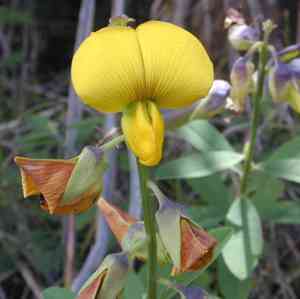
Originating from tropical climates, florida beggar weed is a resilient herbaceous perennial ideal for propagation via cuttings. For successful results, select vigorous, non-blooming stem segments and coat them in rooting hormone powder to stimulate development. Insert them into a potting blend that drains effectively, providing sufficient hydration and warmth to aid root formation. Guarantee exposure to filtered sunlight and shield them from powerful gusts until the cuttings are firmly established.
Optimal Time for Florida Beggar Weed Propagation
Propagation Method
Cutting
Propagation Period
Spring,Summer
Tools for Florida Beggar Weed Propagation
Sharp pruning shears
Sharp pruning shears are vital for making clean cuts on florida beggar weed stems during propagation. This tool ensures precise incisions without crushing plant tissues, which is crucial for minimizing infection risk and encouraging faster healing and root development.
Rooting hormone
Rooting hormone speeds up root formation from florida beggar weed cuttings. Applying this hormone to the cut stem end boosts the likelihood of successful rooting, fostering a robust root system essential for the new plant's nutrient and water uptake.
Sterilizing agent (e.g., isopropyl alcohol or bleach solution)
Using a sterilizing agent to clean cutting tools before propagation helps prevent disease transmission to florida beggar weed. Sterilization guarantees the propagation process begins with the cleanest possible cut, critical for the health and viability of new plants.
Soilless potting mix
A well-draining soilless potting mix is recommended for planting florida beggar weed cuttings. This medium offers an ideal balance of moisture and aeration, fundamental for supporting initial growth without waterlogging, helping young roots establish more efficiently.
Propagation tray with dome cover
This tool creates a controlled environment for florida beggar weed cuttings by maintaining high humidity and stable temperatures. The dome cover helps keep moisture levels consistent, essential for encouraging root growth without the risk of the cutting drying out.
How to Propagate Florida Beggar Weed?
Propagation Type
Easy
Caring for Newly Propagated Florida Beggar Weed
Caring for Newly Propagated Florida Beggar Weed
Once roots have formed, gradually acclimate the new florida beggar weed plants to less humid conditions by progressively removing the plastic cover for longer periods daily. Ensure plants are kept in warm conditions with indirect sunlight and avoid waterlogged soil to promote healthy growth. As florida beggar weed matures, it can tolerate various conditions, but it benefits from consistent watering and occasional fertilization tailored to nitrogen-rich environments.
Common Propagation Errors for Florida Beggar Weed
Inadequate seed treatment
Without proper treatment, florida beggar weed's tough seed coat can hinder water absorption, leading to poor germination rates. This often results in a lower overall success rate for propagation.
Overwatering seedlings
Florida beggar weed seedlings are susceptible to excessive moisture, which can cause fungal diseases or root rot. This can severely impact plant health and reduce survival rates.
Ignoring soil conditions
Florida beggar weed requires well-drained soils to thrive. Planting in poorly drained soils can stress the plant, impede root development, and ultimately, affect propagation success.
Tips for Propagating Florida Beggar Weed
Scarification of seeds
To improve germination, mechanically scarify florida beggar weed's seeds by nicking or sanding the seed coat. This process allows water to penetrate more easily, encouraging successful sprouting.
Moderate watering
Maintain a balanced soil moisture level. Water the soil sufficiently but ensure it is not waterlogged, to prevent diseases and ensure healthy growth of florida beggar weed.
Soil preparation
Prepare a well-draining soil enriched with organic matter to promote healthy root growth and successful establishment of florida beggar weed. Ensure the planting medium is neither too clayey nor too sandy.



