How Much Sunlight Do Golden chinquapin Need?
1
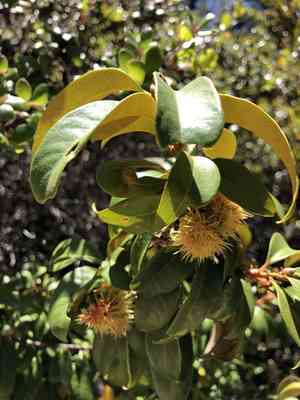
The Golden chinquapin flourishes optimally with approximately 3-6 hours of daily sun exposure, making a partially sunny location perfect.
2
This species typically requires increased light during the spring and summer months but can tolerate less illumination in autumn and winter.
3
Adequate sunlight encourages robust development, blooming, and fruit yield for your Golden chinquapin.
Why is Light Essential for Golden Chinquapin?
Photosynthesis and Plant Vitality
Light is fundamental for photosynthesis, the process plants use to convert light energy into chemical energy for growth. For the Golden chinquapin, sufficient light ensures its health and vibrancy. Without enough light, the plant's photosynthetic efficiency is reduced, affecting its overall well-being. Providing ample light will keep it lush and green, making it a beautiful garden addition.
Growth Patterns and Development
The Golden chinquapin's growth is significantly shaped by the amount of light it receives. Light influences its growth rate and overall form. Inconsistent or inadequate light can lead to etiolated growth, where the plant stretches toward the light source, resulting in weak, elongated stems. Conversely, consistent exposure to appropriate light promotes robust and balanced growth, leading to a well-structured and sturdy plant.
Impact on Flowering and Fruit Production
Light plays a crucial role in the Golden chinquapin's flowering and fruiting. Adequate light exposure stimulates blooming and improves the quality of flowers and fruits. Plants lacking sufficient light may show poor flowering and reduced fruit yield. Therefore, ensuring your Golden chinquapin gets enough light will reward you with beautiful blossoms and potentially fruits if conditions are favorable.
What Kind of Light Does Golden Chinquapin Require?
Full Sun vs. Partial Shade: Optimal Choice?
The Golden chinquapin thrives best in partial sun, meaning about 3-6 hours of daily sunlight. While it can tolerate some shade, full sun exposure, particularly during the hottest part of the day, can cause stress and damage. Placing your Golden chinquapin where it receives morning sun and afternoon shade would be ideal. This balance provides necessary light without the risks of excessive heat.
Ideal Daily Light Duration
For optimal development, the Golden chinquapin should receive 3 to 6 hours of sunlight daily. This duration provides sufficient light for photosynthesis and growth without overwhelming the plant. Monitoring its light exposure and making adjustments as needed will help maintain its health. If your plant shows signs of too much or too little light, consider relocating it for the ideal balance.
Golden Chinquapin Light Needs Across Seasons
Spring and Summer Light Requirements
During spring and summer, the Golden chinquapin benefits from increased light, as these are its primary growth periods. Position your plant to receive ample morning light while being protected from intense afternoon sun. This supports vigorous growth and prepares the plant for flowering. Consistent observation is crucialâensure your plant isn't getting too much direct sunlight during peak summer days.
Fall and Winter Light Adjustments
In fall and winter, light intensity and duration decrease, naturally reducing the Golden chinquapinâs light needs. During these seasons, it's vital to ensure your plant receives as much natural light as possible, even if it means moving it to a brighter spot. If natural light is insufficient, consider supplementing with artificial lighting to maintain at least 3 hours of light exposure daily.
How to Position Your Golden Chinquapin for Best Light
Optimal Planting Spots in Your Garden
Selecting the right garden location for your Golden chinquapin is essential. Ideal spots include the east side of your garden, where it can get morning sun and afternoon shade. Avoid planting near large trees or structures that cast long shadows. If growing in a container, you have the flexibility to move it for optimal light exposure throughout the year.
Using Reflective Surfaces to Boost Light Exposure
In areas with limited direct light, you can use reflective surfaces like white walls, mirrors, or foil to direct more light onto your Golden chinquapin. This technique helps maximize available light and ensures your plant receives the necessary illumination for optimal growth. Strategically place these reflective materials around your garden or potted plant to enhance overall light exposure.
Addressing Light Deficiencies for Golden Chinquapin
Signs of Insufficient Light
Symptoms of inadequate light in your Golden chinquapin include pale or yellowing leaves, leggy growth, and reduced flowering. The plant may also exhibit slow growth and a general lack of vigor. Recognizing these signs early can help you take corrective actions to improve the plantâs light conditions. Regular checks are key to maintaining your plant's health.
Artificial Lighting Solutions
If natural light is insufficient, especially during fall and winter, consider using artificial lighting to supplement your Golden chinquapinâs light needs. LED grow lights are an excellent option, providing a light spectrum that mimics natural sunlight. Position the lights for even coverage and adjust the duration to match the plantâs natural light requirements, typically 3 to 6 hours daily.



