How to Prune Golden chinquapin?
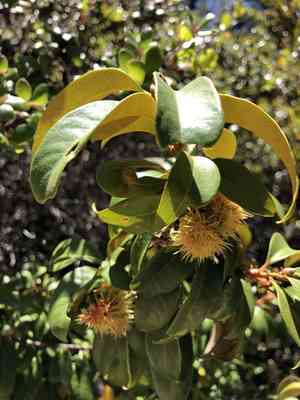
The golden chinquapin, a broadleaf evergreen recognized for its lustrous, golden-tinted leaf undersides, thrives with careful trimming. Essential methods involve reducing dense branches to enhance light access and air movement, thereby fostering robust development. The most effective time for pruning is during winter dormancy, which lessens plant stress and prevents sap leakage. To diminish the chance of illness, make cuts at a slight angle, away from buds, and verify that all implements are sanitized. Trimming also allows for shaping the golden chinquapin for decorative purposes and aids in controlling its dimensions.
Advantages of Trimming Golden Chinquapin
Advantages of Trimming Golden Chinquapin
Trimming golden chinquapin promotes robust development and maintains its desired shape by eliminating dead or diseased limbs, fostering a strong framework, and improving air circulation. This helps the plant remain vigorous and well-formed.
Optimal Time for Trimming Golden Chinquapin
Optimal Time for Trimming Golden Chinquapin
Trimming golden chinquapin in late winter to early spring, just prior to new growth, is considered ideal as the plant is still dormant, minimizing stress and disease risk. This timing allows for easy identification and removal of dead or damaged branches, crucial for plant health and structural integrity. Furthermore, pruning before the growing season ensures rapid wound healing and encourages vigorous new growth in spring and summer. This period also prevents the removal of flower buds, which can occur with late pruning, thus preserving the plant's natural flowering and fruiting cycles.
Required Tools for Trimming Golden Chinquapin
Hand pruners
Perfect for making clean cuts on small branches and twigs of golden chinquapin; ensure bypass-type for precision.
Loppers
Necessary for reaching higher branches and cutting thicker stems of golden chinquapin that hand pruners cannot manage due to their greater cutting power.
Pruning saw
Utilized for removing larger branches of golden chinquapin too thick for hand pruners and loppers, ensuring a clean cut without bark damage.
How to Trim Golden Chinquapin
Sanitize Tools
Before beginning, ensure all trimming tools are clean and sterilized to prevent disease transmission to golden chinquapin.
Identify
Examine golden chinquapin closely to find dead or diseased branches that foliage might conceal. Look for branches showing signs of illness, damage, or visible death.
Cut Diseased Branches
Use sharp, clean pruning shears to remove diseased branches. Make cuts at least several inches into healthy tissue beyond the affected area to ensure complete removal of infected material.
Trim Dead Branches
Remove dead branches by cutting them where they meet healthy wood. Ensure cuts are clean and do not tear the bark to promote quick healing.
Discard
Dispose of the removed diseased and dead material away from golden chinquapin and other healthy plants to prevent any potential spread of pests or disease.
Common Trimming Errors with Golden Chinquapin
Excessive Trimming
Removing too much foliage at once can stress golden chinquapin and hinder its growth. It's vital to trim no more than about one-third of the plant at a time.
Incorrect Cut Placements
Golden chinquapin heals best when cuts are made in the right spot. Incorrectly cutting too close to the trunk or leaving a large stub can invite disease and pests.
Neglecting Tool Sterilization
Using unsterilized tools can spread diseases from one plant to another. It's crucial to clean trimming tools before and after use to safeguard golden chinquapin's health.
Unnecessary Cuts
Making cuts for aesthetic reasons without understanding golden chinquapin's growth pattern can lead to poor plant structure and reduced vitality.
General Trimming Advice for Golden Chinquapin
Sharp And Clean Tools
Employ sharp, clean pruning shears or saws to make precise cuts that golden chinquapin can heal from quickly, reducing disease risk.
Understand Growth Patterns
Grasping golden chinquapin's growth habits is essential. Trim to enhance the plant's natural form rather than working against it.
Selective Thinning
Thin out crowded branches to improve air circulation and light penetration, ensuring golden chinquapin's inner foliage stays healthy.
Remove Damaged Limbs
Regularly eliminate any dead, broken, or diseased branches from golden chinquapin to maintain its health and prevent potential pest issues.



