Enhancing Your Garden Design with the Golden chinquapin Plant: A Landscaping Guide
1
Golden chinquapin thrives across diverse light exposures, though it favors partial to full sun for peak development.
2
Accompanying flora improves both the aesthetic value and vitality of Golden chinquapin.
3
Consistent trimming of Golden chinquapin assists in preserving its form and promotes robust development.
Exploring the Visual Appeal of Golden Chinquapin
Height and Structure: The inherent growth habits of Golden Chinquapin
The inherent growth habits of Golden Chinquapin showcase its distinct structural form, which can vary considerably. Typically, Golden Chinquapin develops as a shrub or small tree, reaching heights between 15 to 20 feet. This adaptable size makes it suitable for diverse landscape designs, whether as a solitary specimen or part of a larger arrangement. Its sturdy trunk and spreading branches establish a robust framework, providing a strong visual presence in any garden. These characteristics make Golden Chinquapin an excellent option for adding elevation, depth, and structure to your landscape plan.
Foliage and Blooms: Description of seasonal color shifts and flowering periods
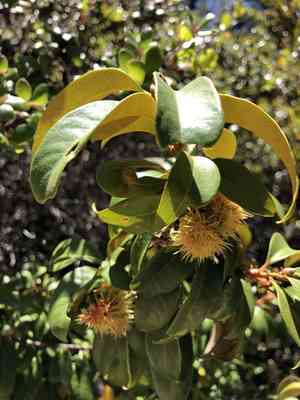
One of the most captivating aspects of Golden Chinquapin is its leaf and flower patterns, which present an ever-changing spectrum of colors throughout the year. The evergreen leaves exhibit a shimmering golden hue on their undersides, offering a striking contrast to the green tops. During its blooming phase, typically from late spring to early summer, Golden Chinquapin is adorned with small, yellow blossoms that introduce vibrant color and attract pollinators. These seasonal transformations provide year-round interest, making Golden Chinquapin a dynamic element in your landscape.
Cultural Importance: The symbolic and historical relevance in outdoor spaces
Beyond its visual charm, Golden Chinquapin possesses significant cultural importance. Historically, it has symbolized resilience and growth in numerous cultures. In addition to its symbolic value, Golden Chinquapin has been utilized for various practical purposes over centuries, from timber to traditional medicine. Its presence in a landscape can evoke a sense of heritage and continuity, offering both beauty and a connection to the past. Incorporating Golden Chinquapin into your garden design can therefore provide a meaningful context and a deeper narrative to your outdoor area.
Optimal Placement for Your Golden Chinquapin
Exposure and Illumination: Ideal sunlight conditions for Golden Chinquapin
Golden Chinquapin thrives best in locations that receive partial to full sunlight. Optimal light exposure ensures vigorous growth and vivid coloration. While Golden Chinquapin can endure some shade, positioning it in a spot that receives ample sunlight will enhance its flowering and overall vitality. When planning your garden, consider the shifting sun patterns throughout the day and year to place Golden Chinquapin in the most advantageous position.
Companion Planting: Best adjacent plants for Golden Chinquapin
Companion planting is an excellent strategy to boost the health and aesthetic appeal of Golden Chinquapin. Ideal companion plants include those that flourish under similar conditions and complement Golden Chinquapin's appearance. For instance, native shrubs and perennials with contrasting leaf colors or textures can heighten visual interest. Additionally, plants that bloom at different times can provide continuous color in your garden. When selecting companions, also consider their growth habits to ensure they do not compete with Golden Chinquapin for space and nutrients.
Space Requirements: How much room does Golden Chinquapin need to flourish?
A critical aspect of planting Golden Chinquapin is understanding its spatial needs. Typically, Golden Chinquapin requires ample room for its branches and roots to spread. Plan for at least 15 feet of spacing around mature plants to prevent overcrowding, which can impede growth and lead to health issues. If integrating Golden Chinquapin into a more confined area, regular trimming and monitoring will be necessary to manage its size and form effectively.
Landscaping Styles Suitable for Golden Chinquapin
Formal Garden Settings: Utilizing Golden Chinquapin in structured outdoor spaces
In formal garden settings, Golden Chinquapin can serve as a striking focal point or a key structural element. Its neat growth habit and distinctive shape make it ideal for symmetrical arrangements and well-defined borders. You can use Golden Chinquapin in hedge formations, topiaries, or as a stunning standalone specimen against manicured lawns. Its evergreen nature ensures it provides year-round interest in a formal garden setup.
Woodland Backdrops: Integrating Golden Chinquapin into more natural, forest-like environments
Golden Chinquapin integrates beautifully into woodland backdrops, enhancing the naturalistic feel of these landscapes. Its robust structure and evergreen foliage blend seamlessly with other native trees and shrubs, creating a lush, layered effect. When placed in a woodland garden, Golden Chinquapin can function as an understory tree, providing shelter and food for wildlife while adding diversity to the vegetation. Its ability to thrive in partial shade makes it particularly well-suited for these environments.
Contemporary Designs: Modern landscape elements featuring Golden Chinquapin
In contemporary landscape designs, Golden Chinquapin can act as a striking organic element that contrasts with sleek, modern materials like concrete and metal. Its natural form and vibrant foliage introduce a touch of greenery and warmth, softening the angular lines often found in modern gardens. Consider using Golden Chinquapin in minimalist plantings, where its unique characteristics can shine without competition. Its versatile nature allows it to complement various modern design elements effortlessly.
Maintenance Tips to Enhance Golden Chinquapin's Longevity
Seasonal Care Routines: Key practices throughout the year
To ensure the longevity and health of Golden Chinquapin, establishing a seasonal care routine is essential. In spring, focus on mulching and fertilizing to support new growth. Summer months necessitate regular watering, especially during dry spells, to maintain hydration. In fall, light pruning can help shape the plant and remove any dead or diseased branches. During winter, protect young plants from harsh winds and frost by adding a layer of mulch around the base. Each season brings unique care requirements, and addressing these will keep your Golden Chinquapin thriving.
Dealing with Pests and Diseases: Common issues and preventative measures
Like all plants, Golden Chinquapin can be susceptible to pests and diseases. Common issues include aphids, scale insects, and fungal infections, which can impact the plant's health and vigor. Regularly inspect your Golden Chinquapin for signs of trouble, such as discolored leaves or unusual growths. Preventive measures include maintaining good air circulation through proper spacing and pruning, encouraging beneficial insects, and applying organic pesticides if necessary. Promptly addressing any problems can prevent them from escalating and ensure your Golden Chinquapin remains healthy.
Pruning Techniques: When and how to effectively prune Golden Chinquapin
Pruning is crucial for maintaining the health and appearance of Golden Chinquapin. The best time to prune is late winter to early spring when the plant is dormant. Use clean, sharp tools to make precise cuts, removing any dead or diseased wood first. Focus on thinning out overcrowded branches to improve air circulation and light penetration. Additionally, occasional shaping can help manage the plant's size and encourage bushier growth. Regular pruning promotes a stronger, healthier plant that can better withstand environmental stresses.



