How Much Sunlight Do Bristleleaf sedge Need?
1
Bristleleaf sedge flourishes in dappled light, requiring approximately 3-6 hours of sun each day.
2
It is capable of enduring complete shade, though growth might be retarded under such circumstances.
3
Modifying light exposure can aid in averting problems such as scorched leaves and elongated stems.
Optimal Sunlight for Bristleleaf Sedge
Understanding Illumination Needs
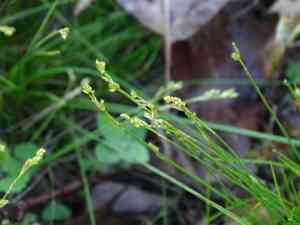
To grasp the light requirements of Bristleleaf sedge, it's crucial to recall its natural occurrence in wooded and rocky environments. These settings offer filtered light, not direct, strong sun. Consequently, Bristleleaf sedge thrives in partial shade, typically receiving about 3-6 hours of daily sunlight. This provides ample energy for growth without risking leaf burn or stress from excessive direct sun.
Native Habitat Lighting Conditions
Bristleleaf sedge originates from shaded forest floors and rocky outcrops where sunlight is filtered by tree canopies. These natural surroundings provide diffused light, preventing the delicate foliage from scorching under direct sun. Replicating these light conditions in your garden will ensure your sedge flourishes.
Can Bristleleaf Sedge Endure Full Sun?
Advantages and Disadvantages of Full Sun Exposure
While Bristleleaf sedge can withstand full sun, it's not the best environment for this plant. Full sun exposure, meaning over 6 hours of direct sunlight, can lead to quicker soil drying and potential leaf damage. On the upside, more sunlight can encourage faster development. However, you must be diligent with watering to prevent root desiccation and ensure the plant remains unstressed.
Managing Sun Exposure
If you observe your Bristleleaf sedge receiving too much sun, consider adding shade cloths or planting it near taller perennials that can offer some relief from the sun. Mulching around the base can also help keep the soil moist and cool, mitigating the intense heat from full sun.
Is Partial Shade Suitable for Bristleleaf Sedge?
Benefits of Partial Shade
Partial shade is ideal for Bristleleaf sedge as it closely mimics its native environment. In partial shade, the plant receives approximately 3-6 hours of sunlight, which is sufficient for photosynthesis and healthy development without the risk of overheating or leaf scorch. Additionally, partial shade helps maintain soil moisture, providing a more stable environment for the plant's roots.
Common Shade-related Issues
Although Bristleleaf sedge tolerates partial shade well, excessive shade can hinder its growth and result in a lanky appearance. If your plant seems to be stretching towards light sources, it might require a bit more sun. Ensure it gets some direct light, especially in the morning or late afternoon when the sun is less intense.
How to Balance Light for Indoor Bristleleaf Sedge Cultivation
Utilizing Artificial Illumination
For those cultivating Bristleleaf sedge indoors, employing artificial lights can help replicate its natural light conditions. Fluorescent lights or LED grow lights are excellent choices, as they provide the necessary spectrum for growth. Position the lights about 15-45 cm (6-18 inches) above the plant, and keep them on for approximately 12 hours daily to simulate natural daylight cycles.
Window Placement
Positioning your Bristleleaf sedge near a window that receives indirect sunlight can be optimal. East-facing windows are particularly suitable as they offer gentle morning light. If a south or west-facing window is your sole option, consider using sheer curtains to diffuse the intensity, ensuring your plant gets the bright but indirect light it prefers.
Troubleshooting Light Problems for Bristleleaf Sedge
Indicators of Excessive Light
Signs that Bristleleaf sedge is receiving too much light include yellowing or browning of leaves and leaf scorch marks. If your plant exhibits these symptoms, consider reducing its exposure to direct sunlight by moving it to a shadier location or employing protective measures like shade cloth or taller plants.
Indicators of Insufficient Light
Conversely, if Bristleleaf sedge is not getting enough light, it may display slow growth, smaller foliage, or a stretched, elongated appearance. In such instances, try relocating it to an area with slightly more light exposure, or if indoors, supplementing with artificial grow lights.



