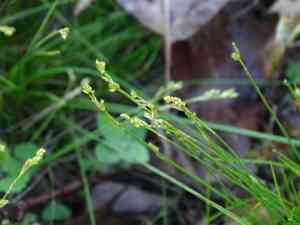
Bristleleaf sedge (Carex eburnea)
Also known as: Ebony sedge, Bristleleaf
**Carex caryophyllea 'The Beatles'** is a compact sedge that reaches approximately 15 cm in height. It features fine green leaves that form dense clumps, creating a tidy, spherical appearance. This sedge is an excellent option for ground cover or garden borders. It blooms in early spring with subtle whitish-green flowers. Adaptable to various light conditions, it thrives in environments ranging from full sun to full shade and prefers dry soil. Its growth is slow but steady.
In This Article
Attributes of Bristleleaf sedge
Lifespan
Perennial
Plant Type
Grass
Plant Height
15 cm to 30 cm
Spread
30 cm
Leaf Color
Green
Flower Size
2.5 cm
Flower Color
Yellow Green
Images of Bristleleaf sedge
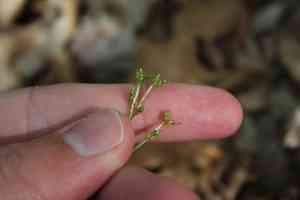
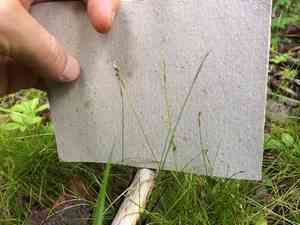
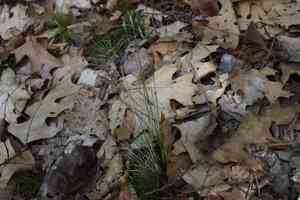
Quickly Identify Bristleleaf sedge
1
Carex eburnea can be identified by its fine, dark green, needle-like leaves and its preference for growing in shaded, rocky habitats. The plant forms dense tufts and has small, inconspicuous flowers that appear in early summer.
Scientific Classification of Bristleleaf sedge
Phylum
Vascular plants
Class
Monocotyledons
Order
Poales
Family
Sedge
Genus
True sedges
Species
Bristleleaf sedge
Planting and Growing of Bristleleaf sedge
Care Difficulty
Easy
Watering Schedule
Every 2 days
Sunlight Requirements
Partial sun
Sunshine Duration
6-10 hours
Ideal Temperature
60-75℉
Soil Type
Potting Mix, Peat Mix
Soil pH
6.5-7.5
Fertilizer Type
Balanced
Pruning Season
Spring, Summer
Pruning Area
Branches, Leaves
Pruning Frequency
2 times a year
Repotting Season
Spring
Pot Type
Terracotta, Plastic
 How to Water Bristleleaf sedge?
For Carex eburnea, the watering should be done until the soil is evenly moist but not waterlogged. You need about 150 ml to achieve this, ensuring the soil surface feels slightly damp to touch.
What are the symptoms of an underwatered Bristleleaf sedge?
›
What should I do if my Bristleleaf sedge is not getting enough water?
›
What are the symptoms of an overwatered Bristleleaf sedge?
›
How to save an overwatered Bristleleaf sedge?
›
 What Are the Sunlight Requirements for Bristleleaf sedge?
Partial sun or 3-6 hours of gentle sun exposure is ideal for Carex eburnea. This range supports healthy growth, vibrant foliage, and reduces stress from too much heat or shade.
More About Sunlight Requirements Techniques→
Optimal Sunlight Conditions
›
Solution to Obtain Ideal Lighting
›
Benefits of Achieving Ideal Light
›
 What Is the Ideal Temperature Range for Bristleleaf sedge?
The ideal temperature range for Carex eburnea is between 60°F and 75°F. Within this range, the plant can efficiently carry out photosynthesis and other metabolic processes, leading to healthy growth. Maintaining this range ensures the plant receives the right balance of warmth and hydration. Carex eburnea thrives and exhibits lush green foliage when its environmental conditions are closely monitored and optimized.
 What Soil is Best for Bristleleaf sedge?
Carex eburnea thrives in well-drained soil, ensuring that excess water can escape easily. This prevents root rot and other water-related issues, enabling healthier and more resilient growth. The plant prefers slightly alkaline soils, which help maintain nutrient availability. This pH range supports optimal nutrient uptake, promoting lush foliage and overall vitality. Although Carex eburnea is not very demanding, moderate nutrient levels are beneficial. Proper nutrient supply supports robust growth, enhancing the plant's appearance and vigor.
 How to Fertilize Bristleleaf sedge?
Carex eburnea typically requires a modest amount of fertilizer. For liquid fertilizers, consider using a diluted solution at a ratio of 1/4th the recommended strength on the label, ensuring nutrients are delivered gently. For slow-release solid fertilizers, about 1 tablespoon per square foot of plant area should suffice, applied evenly around the base.
 How to Prune Bristleleaf sedge?
Begin by examining your Carex eburnea for any dead or discolored foliage, which should be removed first. Use sharp, sterilized scissors or pruning shears to cut back the leaves that appear frostbitten or are older, as these could hinder growth. Make sure to cut the leaves at the base without damaging the main plant body, and trim no more than one-third of the plant's overall foliage to avoid stress.
More About Pruning Techniques→
 How to Propagate Bristleleaf sedge plant?
1
Collect seeds from mature Carex eburnea plants in late summer. Clean and dry the seeds thoroughly to prevent mold growth before storing them until propagation season.
2
Sow the seeds of Carex eburnea in seed trays filled with well-draining soil in early spring. Lightly cover with soil and water gently to maintain moisture without oversaturation.
3
In early spring, dig up mature Carex eburnea plants and carefully divide the root ball using a garden trowel. Replant divisions at the same depth as the original plant.
 How to Repot Bristleleaf sedge plant?
1
Carex eburnea should be repotted when you notice the roots crowding the pot, or water drains too quickly, indicating the soil has broken down. Spring is optimal as new growth is emerging, but summer can be suitable providing conditions are not overly hot. If unsure, check for roots protruding from drainage holes or soil surface.
2
Select a pot that is one to two inches larger in diameter than the current pot. Ensure it has ample drainage holes to prevent waterlogging, fostering healthy root development and avoiding root rot. Material can be either clay for better airflow or plastic for moisture retention, based on your care routine.
3
Opt for a well-draining potting mix that replicates the natural environment of Carex eburnea. Look for a blend that is rich in organic matter. The right mix ensures adequate aeration and moisture retention, essential for the plant's root health and vitality.
Learn More About Bristleleaf sedge Diseases
Anthracnose
Bacterial Leaf Spot
Bacterial Soft Rot
Crown Gall
Cyst Nematode
Damping-off
Downy Mildew
Drought Stress
Fusarium Wilt
Gray Mold
Leaf Spot
Mosaic
Nutrient Deficiency
Nutrient Toxicity
Powdery Mildew
Root Rot
Root-knot Nematode
Rusts
Sooty Mold
Spider Mites
Temperature Stress
Thrips Damage
White Mold



