How to Prune Bristleleaf sedge?
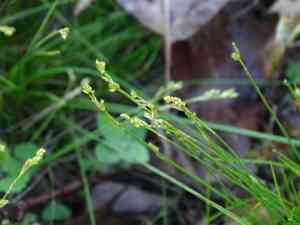
This fragile, cluster-forming sedge, featuring slender leaves, flourishes with infrequent trimming. Prune bristleleaf sedge during the initial part of spring or winter to eliminate withered or compromised foliage and uphold its visual appeal. Sever the leaves near the soil surface to foster renewed development. Consistent trimming is unnecessary but can stimulate the emergence of new, compact clumps. Exercise care to avoid excessive pruning, thereby safeguarding bristleleaf sedge's inherent form and guaranteeing its well-being.
Advantages of Trimming Bristleleaf Sedge
Advantages of Trimming Bristleleaf Sedge
Trimming bristleleaf sedge boosts its vitality and maintains its compact shape. Strategic cuts enhance air flow and light penetration, crucial for bristleleaf sedge's strong development and attractive form.
Optimal Period for Trimming Bristleleaf Sedge
Optimal Period for Trimming Bristleleaf Sedge
Trimming bristleleaf sedge in early spring is ideal as it aligns with the plant's natural growth cycle, allowing it to recover and produce new growth as temperatures rise. Winter trimming is also suitable when the plant is dormant, reducing stress and minimizing disease or pest risk.
Tools Required for Trimming Bristleleaf Sedge
Hand Pruners
Perfect for precise removal of dead or yellow leaves without harming adjacent healthy blades. Ensure pruners are sharp for a clean cut.
Small Scissors
Useful for individually trimming bristleleaf sedge's delicate blades, especially in dense clusters, promoting better growth and appearance without damaging the plant.
Garden Shears
When bristleleaf sedge needs shaping or thinning, garden shears can be carefully used to uniformly trim tips and maintain the desired size and form.
How to Trim Bristleleaf Sedge
Clean cut
Sanitize your pruning shears with rubbing alcohol or a bleach solution to prevent disease spread before beginning to trim bristleleaf sedge.
Diseased leaves
Carefully inspect bristleleaf sedge for diseased leaves, which may appear discolored or have unusual spots, and remove them by making clean cuts at the base where the leaf meets the sheath to prevent damage to healthy tissue.
Withered leaves
Identify any withered or dead leaves, which will often be brown and dry, and snip them off at the base using your sterilized shears to promote healthy growth and improve air circulation around bristleleaf sedge.
Cleanup
After trimming, gather and dispose of all diseased and withered leaves removed from bristleleaf sedge to reduce the risk of pest or disease spread in the garden.
Post pruning care
Water bristleleaf sedge adequately after trimming to aid its recovery, making sure to avoid overwatering which could lead to root rot or other issues.
Common Trimming Errors with Bristleleaf Sedge
Over-Pruning
Removing too much foliage at once can stress bristleleaf sedge and may lead to poor growth or increased vulnerability to pests and disease.
Improper Tool Use
Utilizing dull or unclean tools can damage bristleleaf sedge's delicate stems and potentially introduce disease to the plant.
Pruning Healthy Growth
Indiscriminately cutting back healthy bristleleaf sedge foliage can inhibit its natural growth habits and diminish its ornamental aesthetic.
Ignoring Dead Material
Failing to remove dead or dying foliage can impede new growth and may harbor disease organisms or pests.
General Trimming Advice for Bristleleaf Sedge
Selective Thinning
Carefully thin out bristleleaf sedge's older, center clumps to allow light and air to reach the base, promoting healthy new growth.
Maintaining Shape
Trim bristleleaf sedge to maintain its natural shape, focusing on wayward or disproportionately tall clumps to create a uniform appearance while being careful not to cut too much.
Use of Sharp Tools
Ensure tools are sharp and clean to make precise cuts that will heal quickly and minimize potential harm to bristleleaf sedge.
Dead Material Removal
Regularly remove dead or damaged leaves from bristleleaf sedge to encourage healthy growth and improve overall plant vigor.



