How to Propagate Bristleleaf sedge?
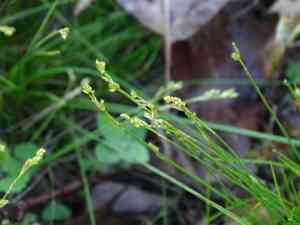
Carex bristleleaf flourishes when multiplied via separation, a straightforward and efficient technique for expanding this resilient perennial. For propagation, gently divide the root masses in early spring or late fall, making sure every new segment contains a portion of the rhizome. This procedure encourages robust fresh development and aids in controlling the plant's expansion within garden environments.
Optimal Time for Bristleleaf Sedge Propagation
Propagation Method
Division
Propagation Period
Spring,Autumn
Tools for Bristleleaf Sedge Propagation
Garden Trowel
The garden trowel is vital for excavating and lifting bristleleaf sedge during the splitting process. Its slender blade allows for precise handling and minimal harm to the plant's root structure. By enabling careful digging around the root area, the trowel assists in separating individual clumps without causing undue damage, which is crucial for maintaining the health of bristleleaf sedge.
Pruning Shears
Pruning shears are utilized to trim roots and remove any dead or excess foliage from bristleleaf sedge both before and after division. This helps alleviate stress on the newly divided plants, encouraging faster recovery and more robust growth. Sharp, clean shears ensure precise cuts that heal quickly, reducing the chance of disease.
Rooting Hormone Powder
Applying rooting hormone powder to the severed ends of bristleleaf sedge's roots can significantly boost root development in new divisions. This promotes faster establishment and stronger root systems, essential for the survival and vigor of the divided plants. It works by stimulating root growth at the cut sites, facilitating better adaptation and growth in new environments.
Planting Pots
Following division, planting pots are used to house each section of bristleleaf sedge until they are sufficiently established for transplanting. These containers should have adequate drainage to prevent waterlogging, a condition that could lead to root rot and other fungal diseases in bristleleaf sedge. Using individual pots allows for customized soil and water conditions for each new plant, optimizing recovery and growth.
Watering Can with a Fine Rose
A watering can equipped with a fine rose attachment is perfect for gently irrigating newly divided bristleleaf sedge plants. It delivers water in a soft, shower-like spray that does not disturb the soil or recently planted divisions. Proper hydration is critical post-division to aid in the recovery and establishment of bristleleaf sedge, and this tool helps in providing just the right amount of moisture.
How to Propagate Bristleleaf Sedge?
Propagation Difficulty
Easy
Caring for Your Newly Propagated Bristleleaf Sedge
Caring for Your Newly Propagated Bristleleaf Sedge
After propagating bristleleaf sedge, position the new plantings in an area that replicates their previous light conditions, typically partial shade. Maintain consistently moist but not waterlogged soil. Avoid excessive watering to prevent root rot. Once established, bristleleaf sedge is relatively low-maintenance, requiring occasional watering during dry periods and annual mulching to enhance soil nutrients and moisture retention.
Common Errors to Avoid When Propagating Bristleleaf Sedge
Overwatering
Supplying too much water can cause root rot in bristleleaf sedge, as it prefers well-drained conditions. Saturated soil can impede the plant's root system development and negatively impact its overall health.
Deep planting
Planting bristleleaf sedge too deeply can hinder root development. Roots may struggle to access sufficient oxygen, leading to weaker growth and increased susceptibility to diseases.
Crowded planting
Placing bristleleaf sedge too close together can restrict air circulation and light penetration. This can result in weaker plants and promotes the spread of pests and diseases among them.
Tips For Propagating Bristleleaf Sedge
Use sharp tools
Ensure cutting implements are sharp and clean when dividing bristleleaf sedge to minimize damage and reduce the risk of disease. Clean cuts help promote quicker and healthier root development.
Moderate watering
Water bristleleaf sedge consistently but moderately to maintain moist, not saturated, soil conditions. Proper moisture levels are crucial for encouraging healthy root growth during propagation.
Provide light shade
While propagating, place bristleleaf sedge in areas with light shade to protect from direct sunlight, which can stress young plants and evaporate essential moisture from the soil.



