How Much Sunlight Do Rock harlequin Need?
1
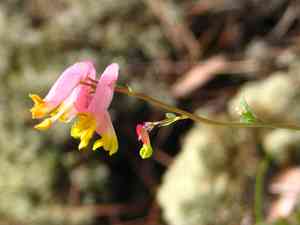
Rock harlequin flourishes with ample sunlight, requiring at least six hours of direct sun each day.
2
Although Rock harlequin can endure some shade, this might lead to a reduction in flowering.
3
Observe your plant for indicators of adequate light, like vivid coloration and robust development.
Optimal Light Conditions for Rock Harlequin
Full Sun vs. Partial Shade
To achieve the best light for your Rock harlequin, understand that it thrives in full sun. This means it needs at least six hours of direct sunlight daily. Full sun promotes strong growth and abundant blooms, making your garden vibrant with its colorful flowers.However, Rock harlequin is quite adaptable and can endure partial shade. In areas with limited direct sunlight, such as under tree canopy, it might produce fewer flowers, but the plant can survive and still enhance your garden's beauty. For peak performance, prioritize locations where the plant can receive full sun.
Seasonal Light Fluctuations
Light intensity changes throughout the year. During spring and summer, days are longer and the sun is more intense, providing ample light for your Rock harlequin to flourish. In these seasons, ensure the plant gets its required six hours of direct sunlight daily.Conversely, during autumn and winter, daylight hours decrease and the sun is lower, potentially creating more shadows. You might need to relocate your potted Rock harlequin to a brighter spot or consider other methods to ensure adequate light. Adjusting the plant's position based on seasonal shifts is crucial for its year-round health.
Assessing Rock Harlequin's Sunlight Needs
Indicators of Adequate Sunlight Exposure
A Rock harlequin receiving sufficient sunlight will display vivid and strong coloration in its flowers and foliage. You will observe a vigorous, healthy growth pattern with consistent blooms throughout its active period. Additionally, its stems will be firm and upright, indicating a happy and healthy plant.Proper sunlight ensures the plant maintains high energy levels for photosynthesis, leading to robust growth and stunning floral displays.
Symptoms of Insufficient Sunlight
When Rock harlequin lacks enough sunlight, you might notice less vibrant colors in its flowers and leaves. The plant may also show slower growth and fewer blooms, diminishing its overall aesthetic appeal. Stems might become weak and elongated, stretching in search of more light.Another clear sign of inadequate sunlight is yellowing leaves, which could mean the plant isn't performing enough photosynthesis to sustain its health. If these symptoms appear, consider moving your Rock harlequin to a brighter location.
Risks of Excessive Sunlight Exposure
While Rock harlequin loves sunlight, too much can be detrimental. Signs of overexposure include scorched or burnt leaf edges, appearing brown and dry. These symptoms indicate the plant is suffering from intense sun.To prevent sunburn, especially during very hot periods, you might provide temporary shade during peak afternoon sun or ensure sufficient watering to help the plant cope with higher temperatures.
Practical Advice for Managing Sunlight Exposure
Selecting the Right Planting Site
Choosing the ideal spot for your Rock harlequin is essential. Look for garden areas that receive abundant morning sunlight or consistent exposure throughout the day. If planting near structures like walls or fences, consider their orientation and potential to cast shadows at various times.For container plants, mobility is an advantage. You can easily move pots as needed to capture the best possible sunlight, ensuring your Rock harlequin stays healthy and thrives.
Using Natural and Artificial Shading
If you live in an area with intense afternoon sun, providing some shade can protect your Rock harlequin from overheating. Utilize natural shade from taller plants or trees, or create artificial shade using garden fabric or lattice structures.These methods can help moderate sunlight intensity, keeping your plant comfortable and preventing sun damage while still allowing it to receive enough light for healthy growth.
Adapting to Seasonal Changes
As seasons shift, so do the sun's position and intensity. Be proactive in adjusting your Rock harlequin's exposure. During autumn and winter, consider moving the plant to sunnier spots or even using grow lights to supplement natural light.In the summer heat, provide extra water and possibly temporary shading to balance increased sunlight and higher temperatures. Awareness and timely adjustments will help your Rock harlequin adapt and continue to flourish regardless of the season.



