How to Propagate Rock harlequin?
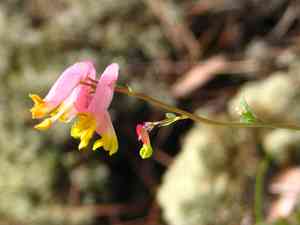
Rock harlequin flourishes when reproduced by seeding. Disperse the seeds directly onto porous earth, as this variety favors limited soil disruption. A thin layer of soil over the seeds aids in preserving the essential dampness for sprouting. Consistent irrigation, keeping the ground damp yet not saturated, will foster ideal development circumstances.
Optimal Period for Rock Harlequin Propagation
Propagation Type
Sowing
Propagation Season
Spring
Essential Tools for Rock Harlequin Propagation
Seed trays
Seed trays are vital for initiating rock harlequin seeds, offering regulated environmental conditions crucial for this species' germination. They help maintain consistent soil moisture and temperature, key factors for successful seed sprouting.
Fine-grained soil or seed starting mix
Employing fine-grained soil or a specialized seed starting mix ensures that rock harlequin's delicate roots can easily penetrate the medium without obstruction. This type of substrate also retains adequate moisture without becoming waterlogged, which is essential for seed germination and root development.
Misting bottle
A misting bottle is critical for gently watering rock harlequin seeds, ensuring the soil is damp but not excessively saturated. This controlled water application prevents seed displacement or decay, fostering an ideal growth environment.
Plastic dome or cover
A plastic dome or cover fits over seed trays to help retain humidity and warmth, mimicking rock harlequin's natural habitat. This tool is particularly beneficial as it aids in creating a microclimate that supports higher germination rates.
Grow lights (if indoor propagation)
Grow lights are advantageous if propagating rock harlequin indoors or in areas with insufficient natural light. They ensure seedlings receive the necessary light spectrum for photosynthesis, promoting healthier, more robust plant growth.
How to Propagate Rock Harlequin?
Propagation Type
Easy
Caring for Your Newly Propagated Rock Harlequin
Caring for Your Newly Propagated Rock Harlequin?
Once germination occurs, gradually introduce rock harlequin seedlings to their permanent growing conditions. This involves progressive exposure to more direct light and slight reductions in watering frequency. Transplant seedlings into individual pots or a designated garden spot when they are robust enough. Maintain light soil moisture and provide partial shade to shield young plants from intense sunlight. As rock harlequin plants mature, they require less attention but should be monitored for pests and consistent soil moisture levels to ensure healthy growth.
Common Mistakes to Avoid When Propagating Rock Harlequin
Overwatering
Excessive watering can lead to root rot in rock harlequin, which thrives better in well-drained soils. Saturated conditions are particularly harmful as they reduce oxygen availability to the roots, potentially killing the plant.
Using dense soil
Rock harlequin requires well-draining soil to flourish. Using compact or clay-heavy soils can hinder water drainage, leading to waterlogging and root rot.
Deep planting
Planting rock harlequin too deeply can impede its ability to sprout effectively. This species typically requires light for optimal germination, and excessive soil coverage can prevent seedlings from breaking through the surface.
Neglecting to provide shade
Rock harlequin naturally grows in partly shaded environments. Providing too much direct sunlight, especially in warmer climates, can stress the plant, inhibit growth, and increase susceptibility to diseases.
Tips For Propagating Rock Harlequin
Use sandy loam soil
Selecting an appropriate soil type such as sandy loam can significantly improve drainage and provide the necessary support for rock harlequin's root systems.
Maintain moisture balance
Keeping the soil consistently moist but not waterlogged is crucial for successful rock harlequin propagation. Using a fine mist to water the seeds can help maintain ideal moisture without oversaturating the soil.
Shallow seeding
Rock harlequin seeds need light to germinate effectively. Sow them superficially or just lightly cover them with soil to ensure adequate light exposure.
Provide partial shade
Mimic rock harlequin's natural growing conditions by using a partly shaded location or cover. This can protect the plant from excessive sunlight and promote healthier growth.



