How to Prune Rock harlequin?
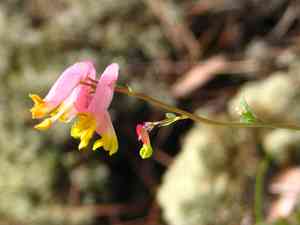
This enduring herb showcases graceful, drooping blossoms and flourishes on stony inclines. To achieve peak development, rock harlequin benefits from careful trimming to eliminate spent blooms and compromised leaves. The best periods for this maintenance are from spring through early autumn, aligning with its vigorous growth stages. Trimming rock harlequin fosters a more compact leaf structure and increased flower production in the following year. Thoughtful removal of withered stalks also deters unwanted self-propagation, preserving the plant's neat aesthetic.
Advantages of Trimming Rock Harlequin?
Advantages of Trimming Rock Harlequin?
Trimming rock harlequin promotes robust development and maintains its desired form. Consistent cutting can lead to a stronger and more visually appealing plant, enabling regulated growth and vigor.
Optimal Time for Pruning Rock Harlequin?
Optimal Time for Pruning Rock Harlequin?
Pruning rock harlequin in early spring is ideal as the plant emerges from dormancy, prior to new growth, allowing for shaping and removal of dead or damaged tissue without affecting new buds and flowers. Late fall is also suitable, after flowering, once the plant has entered dormancy, to help prevent diseases and prepare rock harlequin for healthy growth in the coming season. Summer is not recommended as pruning can stress the plant during active growth and peak environmental factors like heat and drought.
Tools Required for Pruning Rock Harlequin?
Hand Pruners
Hand pruners, also known as secateurs, are perfect for making clean cuts on rock harlequin's thinner stems and branches. They are easy to handle and offer precise control, essential to avoid damaging this delicate plant.
Pruning Scissors
Pruning scissors, also known as snips, can be utilized for trimming smaller or more intricate parts of rock harlequin, such as deadheading or shaping. Their smaller blades allow for detailed work without harming adjacent stems or foliage.
Long-Handled Pruners
For hard-to-reach areas of rock harlequin, long-handled pruners provide extended reach without causing strain. This is beneficial for maintaining the plant's shape and health without stepping on surrounding plants or terrain.
How to Prune Rock Harlequin
Clean tools
Clean and sanitize pruning scissors or shears to prevent disease transmission during rock harlequin trimming.
Remove diseased parts
Carefully cut off any diseased leaves and branches from rock harlequin, trimming back to healthy tissue to ensure the disease does not spread.
Prune dead material
Remove any withered leaves and dead branches from rock harlequin to enhance air circulation and direct the plant's energy towards healthy growth.
Healthy cut
Make all cuts at a 45-degree angle just above a leaf node or bud to promote faster healing and prevent water accumulation on the cut surface of rock harlequin.
Dispose
Discard all removed plant material far from rock harlequin to prevent any potential disease from contaminating the soil or nearby plants.
Common Pruning Errors with Rock Harlequin
Overpruning
Removing too much foliage from rock harlequin can weaken the plant and reduce its flowering potential. It's crucial not to cut back more than a third of the plant at once.
Using dull tools
Dull pruning tools can damage rock harlequin stems, leading to jagged cuts that may invite disease and pests.
Pruning without reason
Random or unnecessary pruning without a clear objective, such as shaping or removing dead material, can harm rock harlequin's health and appearance.
Ignoring dead or diseased material
Failing to remove dead or diseased stems can hinder rock harlequin's growth and vitality, and also spread pathogens to healthy parts.
Neglecting tool cleanliness
Using unclean tools can introduce diseases to rock harlequin. It's essential to disinfect tools before and after pruning to prevent disease spread.
Forgetting to water after pruning
Failing to water rock harlequin after pruning can stress the plant as it attempts to recover and regrow. Adequate moisture is vital.
General Pruning Advice for Rock Harlequin
Target dead material
Focus on removing dead or dying stems from rock harlequin, which allows the plant to direct energy towards new growth and flowering.
Use sharp clean tools
Always use sharp, clean pruning tools to make precise cuts that heal quickly and minimize disease risk.
Prune for shape and health
When pruning rock harlequin, aim to enhance its natural shape, improve air circulation, and promote healthy growth. This involves selective thinning and shaping cuts.
Timely pruning
Prune rock harlequin at the appropriate time, avoiding periods when the plant is preparing for or undergoing important growth or flowering cycles.
Monitor plant response
Observe how rock harlequin responds to pruning and adjust your techniques based on its health and vigor.
Encourage new growth
Prune rock harlequin in a way that promotes fresh growth, focusing on areas that have become woody or have sparse foliage.



