How Much Sunlight Do Japanese false bindweed Need?
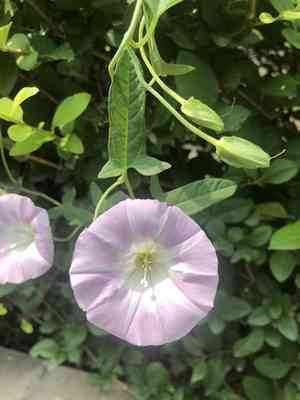
1
Japanese false bindweed flourishes optimally in locations with partial sunlight, ideally getting 3-6 hours of direct sun each day.
2
This plant demonstrates adaptability to various light environments, ranging from complete sun exposure to deep shade, making it a flexible choice for gardening.
3
Too much sun exposure can result in scorched leaves, whereas inadequate light might impede its development.
Ideal Light Conditions for Japanese False Bindweed
Full Sun Needs
While Japanese false bindweed can endure full sun exposure, it's not its preferred growth environment. Full sun implies at least 6-8 hours of direct daylight daily. Under such conditions, the plant might flourish, but sufficient watering is crucial to prevent dehydration and leaf scorching. Full sun is better suited for locations where the plant gets morning light, which is less intense than midday sun.
Partial Shade Benefits
The best environment for Japanese false bindweed is partial shade. This typically means the plant should receive approximately 3-6 hours of direct sunlight per day. Partial shade is ideal because it shields the plant from the extreme heat and harshness of midday sun, which can be damaging. In your garden, consider placing it where it gets morning light and is shaded during peak afternoon hours.
Seasonal Light Fluctuations
Daylight intensity changes with the seasons, impacting Japanese false bindweed's development. In spring and summer, when sunlight is stronger and days are longer, aim to protect the plant from intense periods. Conversely, in autumn and winter, sunlight is weaker and days are shorter. Moving your plant to a brighter spot during these seasons can help it thrive. Always observe the plant's reaction to any shifts in light.
How Light Affects Japanese False Bindweed's Growth
Photosynthesis Performance
Sunlight is vital for photosynthesis, the process plants use to convert light energy into chemical energy for growth. For Japanese false bindweed, efficient photosynthesis occurs in partial sun. Sufficient light allows the plant to generate ample energy for healthy development, vibrant leaves, and its sprawling habit. Too much or too little light can hinder this process, leading to stunted growth and reduced vigor.
Flowering and Bloom Cycles
The amount of light Japanese false bindweed receives significantly impacts its flowering and blooming patterns. This plant produces small, trumpet-shaped blossoms that are most prominent from late spring to early summer. Adequate sunlight encourages more abundant and prolonged flowering. In partial shade, the plant blooms well with more vibrancy. However, in full shade, flowering may decrease, resulting in fewer and less striking blooms.
Monitoring and Adjusting Light Exposure for Japanese False Bindweed
Utilizing Light Meters
To ensure your Japanese false bindweed gets optimal light, consider using a light meter. These devices measure light levels in a specific area, providing accurate data to help you decide where to position your plant. Place the meter near the plant and track daily light exposure. Adjust the plant's location based on this data to prevent light extremes and ensure balanced light intake.
Practical Light Adjustment Tips
To adjust light exposure for Japanese false bindweed, first assess current conditions. If your plant is in an area with excessive direct sun, consider moving it to a spot with dappled light or partial shade. Alternatively, if it's not getting enough light, try placing it closer to a window (for indoor plants) or a sunnier part of your garden. Use lightweight shade cloths to filter intense sunlight and prevent the plant from experiencing light shock due to sudden changes in exposure.
Addressing Sunlight-Related Issues in Japanese False Bindweed
Signs of Excessive Sun Exposure
Overexposure to sunlight appears as scorched or burned foliage, with leaves turning brown and dry at the edges. This indicates the plant is receiving more intense light than it can tolerate. Move the plant to a shadier location or provide cover during the hottest parts of the day to resolve this problem.
Managing Insufficient Light
Underexposure is equally problematic, resulting in weak, elongated growth and pale leaves. If your Japanese false bindweed isn't getting enough light, its overall health will decline. To manage underexposure, gradually move the plant to a brighter spot while observing its response. Ensure the transition is slow to avoid shock.
Preventing Leaf Scorch
Leaf scorch can be prevented by ensuring adequate shading during the day's hottest hours. Use shade cloths or thoughtful planting to create a dappled light environment. Consistent watering and mulching can also help reduce soil temperature and keep the root zone cool and moist, further protecting against leaf burn.



