How to Propagate Japanese false bindweed?
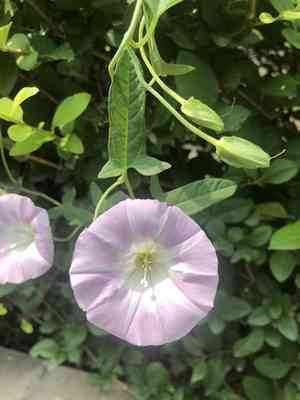
Japanese false bindweed flourishes when reproduced by seeding. To achieve successful sprouting, utilize a growing medium that drains efficiently and sustain steady dampness without oversaturation. Cultivating in an environment with ample, diffused illumination encourages peak development. Verify that the soil temperature is favorable for germination, generally leaning towards warmer conditions. Careful handling of the seeds is essential to avoid harm, thereby boosting their sprouting potential.
Optimal Time for Japanese False Bindweed Propagation
Propagation Method
Seeding
Propagation Period
Spring
Tools for Japanese False Bindweed Propagation
Seed tray
A seed tray is vital for initiating japanese false bindweed seeds indoors, providing a controlled setting ideal for germination. These trays should feature multiple sections, allowing ample room for growth and the development of numerous seedlings simultaneously. The separated compartments prevent root systems from tangling, which is advantageous during transplanting, reducing root damage.
Potting soil mix
Employing a well-draining, nutrient-rich potting soil mix promotes robust root growth and helps maintain ideal moisture levels around japanese false bindweed seeds. This blend often includes ingredients like peat, vermiculite, and perlite, improving aeration and preventing soil compaction. This encourages healthier root development, crucial for vigorous growth after germination.
Watering can with a fine rose
This implement enables gentle irrigation of japanese false bindweed seeds and delicate seedlings, supplying moisture without displacing or burying the seeds under a strong water flow. The fine rose attachment disperses water evenly, ensuring all seeds receive adequate hydrationâessential during the initial stages of seed germination and young seedling establishment.
Clear plastic dome or cover
Placing a clear plastic dome or cover over the seed tray establishes a miniature greenhouse environment, preserving high humidity and stable temperatures. This setting is highly beneficial for japanese false bindweed germination, ensuring that moisture within the seed tray does not evaporate too quickly, thereby encouraging faster and more uniform seed sprouting. Additionally, the cover shields seeds from pests and external disturbances.
How to Propagate Japanese False Bindweed
Propagation Type
Simple
Caring for Newly Propagated Japanese False Bindweed
Caring for Newly Propagated Japanese False Bindweed
Post-germination, gradually introduce the young japanese false bindweed plants to their surroundings. Slowly reduce humidity levels around the plants and begin exposing them to more direct sunlight over several weeks. Continue regular watering to keep the soil moist, but be careful not to overwater. Once seedlings are established and have developed a few sets of true leaves, they can be moved to their permanent location. Ensure the area receives full to partial sunlight and the soil is fertile and well-drained. Regularly inspect for pests and diseases, especially during the active growth period.
Common Errors to Avoid When Propagating Japanese False Bindweed
Overwatering
During propagation, maintaining appropriate moisture levels is critical but often mismanaged. Excessive watering of japanese false bindweed can lead to root rot or fungal infections due to the plant's sensitivity to too much moisture around its roots.
Deep Planting
Planting japanese false bindweed cuttings or seeds too deeply can impede germination and root development. This creates an unfavorable environment for young plants, resulting in poor establishment or even failure to grow.
Using Poor-Quality Cuttings
Employing damaged or diseased cuttings for vegetative propagation of japanese false bindweed compromises the health and viability of new plants. Inferior cuttings often struggle to establish and are more vulnerable to pests and diseases.
Ignoring Pest and Disease Control
Neglecting pest and disease management during japanese false bindweed propagation can result in significant plant losses, as young plants are particularly susceptible to attacks and infections.
Tips for Propagating Japanese False Bindweed
Ensure Proper Lighting
Providing japanese false bindweed with sufficient but indirect light promotes healthier growth and development during propagation. Direct sun can be too intense, causing stress or scorching young plants.
Use a Well-Draining Soil Mix
Japanese false bindweed thrives in well-draining soil, which prevents moisture-related issues like root rot. This type of soil supports healthier root development, crucial for successful propagation.
Sterilize Tools and Equipment
Using sterilized tools and clean pots helps prevent the transmission of diseases during propagation. This cleanliness is essential for fostering a healthy growth environment for japanese false bindweed.
Maintain Optimal Humidity
Ensuring moderate and consistent humidity around japanese false bindweed aids in the rooting process and prevents cuttings from drying out. Using a humidity dome or misting can create a favorable environment for growth.



