The Japanese false bindweed Plant Advantage: Maximizing Home and Office Appeal and Wellness
1
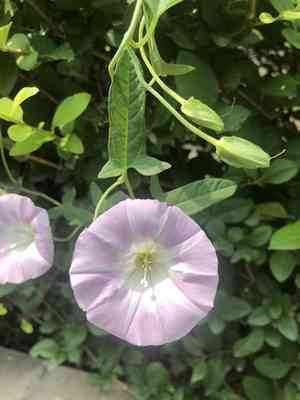
Japanese false bindweed serves as an excellent, rapidly spreading ground cover.
2
It is recognized for its attractive, trumpet-like blossoms.
3
This plant contributes to minimizing the loss of topsoil.
Key Advantages of Japanese False Bindweed
Beautifies Garden Appearance
Japanese false bindweed is valued primarily for its attractive look. The plant produces delicate, trumpet-shaped blossoms that can introduce a burst of color to your garden. Its foliage creates a lush green backdrop, making it an excellent choice for both informal and formal garden designs.
Rapidly Spreading Ground Cover
A notable characteristic of Japanese false bindweed is its quick growth rate. This attribute makes it an ideal option for ground cover, helping to quickly fill in bare areas. Its dense leaves can also suppress weeds, offering a natural method for weed management.
How Japanese False Bindweed Benefits Soil Health
Minimizes Soil Erosion
Japanese false bindweed can play a significant role in preventing soil erosion. Its strong root system anchors the soil, reducing displacement caused by rain or wind. This makes it a crucial plant for maintaining soil structure in erosion-prone regions.
Boosts Soil Fertility
By adding organic matter to the soil through its natural life cycle, Japanese false bindweed can improve soil fertility. As the plant decays, it releases nutrients back into the soil, fostering a healthier growing environment for other plants.
Is Japanese False Bindweed Simple to Maintain?
Low Maintenance Needs
Japanese false bindweed is remarkably easy to care for, requiring minimal attention once established. It thrives in various soil types and climate conditions, making it a versatile plant for different gardens. Its resilience ensures it can endure occasional neglect, making it suitable for busy gardeners.
Trimming and Management
While Japanese false bindweed grows quickly, it can be easily controlled through regular pruning. Trimming the plant helps maintain its form and prevents it from becoming invasive. By keeping its growth in check, you can ensure it remains a beautiful and functional part of your garden.
Can Japanese False Bindweed Support Local Wildlife?
Attracts Pollinating Insects
Japanese false bindweed draws various pollinators, including bees and butterflies, which can enhance your garden's biodiversity. Pollinators are vital for the reproduction of many plant species, and having Japanese false bindweed can contribute to a thriving ecosystem.
Offers Shelter
The dense foliage of Japanese false bindweed provides cover and nesting spots for small animals and birds. By incorporating this plant into your garden, you create a habitat that supports local wildlife, adding ecological value to your outdoor space.
Integrating Japanese False Bindweed into Landscaping
Designing with Japanese False Bindweed
Incorporating Japanese false bindweed into your landscaping design can be straightforward and rewarding. Consider using it as a border plant, ground cover, or even in hanging baskets. Its adaptability allows it to complement various garden styles, from cottage gardens to modern landscapes.
Companion Planting Strategies
Japanese false bindweed works well in companion planting strategies. It can be paired with other plants that benefit from similar growing conditions, thereby maximizing the utility and beauty of your garden. Planning your garden layout to include Japanese false bindweed can lead to a more cohesive and productive garden space.



