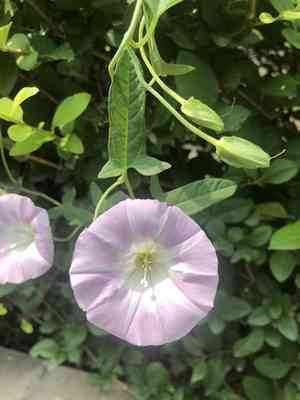
Japanese false bindweed (Calystegia hederacea)
Also known as: Japanese bindweed
Japanese false bindweed (Calystegia hederacea) is a perennial climber native to eastern China, capable of reaching heights of up to 5 meters. It bears a resemblance to hedge bindweed but is distinguished by its smaller flowers. This plant may have been unintentionally introduced to North America, where it now proliferates as a weed.
In This Article
Attributes of Japanese false bindweed
Lifespan
Perennial
Plant Type
Herb, Vine
Plant Height
8 cm to 40 cm
Spread
Variable, as it is a climbing plant
Leaf Color
Green
Flower Size
3-5 cm
Flower Color
White Pink
Images of Japanese false bindweed
Quickly Identify Japanese false bindweed
1
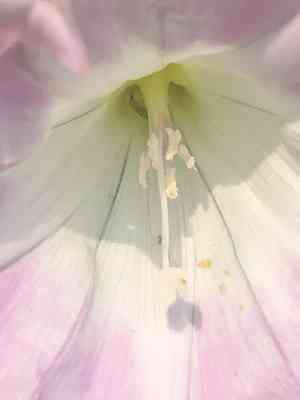
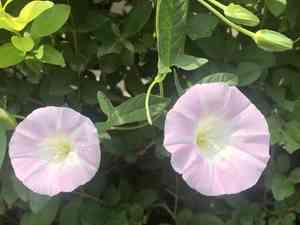
Identifying Calystegia hederacea involves looking for its distinctive ivy-shaped leaves and its trumpet-shaped flowers, which are usually white with a hint of pink. The plant is a climber, often seen entwining around other plants for support.
Scientific Classification of Japanese false bindweed
Phylum
Vascular plants
Class
Dicotyledons
Order
Nightshades, bindweeds, gooseweeds, and allies
Family
Morning-glory
Genus
Bindweeds
Species
Japanese false bindweed
Planting and Growing of Japanese false bindweed
Care Difficulty
Easy
Watering Schedule
Every 2 days
Sunlight Requirements
Partial sun
Sunshine Duration
4-8 hours
Ideal Temperature
65-77℉
Soil Type
Potting Mix, Peat Mix
Soil pH
6.5-7.5
Fertilizer Type
Balanced
Pruning Season
Spring, Summer
Pruning Area
Branches, Leaves
Pruning Frequency
2 times a year
Repotting Season
Spring
Pot Type
Terracotta, Plastic
 How to Water Japanese false bindweed?
Calystegia hederacea, also known as Japanese Bindweed, thrives when the soil is kept consistently moist but not waterlogged. A recommended watering amount is around 500 ml each time, ensuring the water reaches the root zone. The key is to water deeply so the moisture is absorbed evenly, avoiding surface-level wetting only.
What are the symptoms of an underwatered Japanese false bindweed?
›
What should I do if my Japanese false bindweed is not getting enough water?
›
What are the symptoms of an overwatered Japanese false bindweed?
›
How to save an overwatered Japanese false bindweed?
›
 What Are the Sunlight Requirements for Japanese false bindweed?
Partial sun with around 4 to 6 hours of light is ideal, enhancing vitality and vibrant growth without causing stress.
More About Sunlight Requirements Techniques→
What is the ideal amount of sunlight for Calystegia hederacea?
›
How can you ensure Calystegia hederacea gets enough light indoors?
›
What benefits does Calystegia hederacea gain from ideal lighting?
›
 What Is the Ideal Temperature Range for Japanese false bindweed?
Calystegia hederacea thrives within an ideal temperature range of 65 to 77 °F. This range ensures optimal growth and flowering, providing the plant with the necessary warmth to carry out photosynthesis while avoiding stress from excessive heat. Maintaining temperatures within this range supports a healthy development and can prevent potential growth hindrances.
 What Soil is Best for Japanese false bindweed?
Calystegia hederacea thrives in well-draining soil that prevents waterlogging. Proper drainage ensures that roots receive enough oxygen, which is crucial for healthy plant growth and avoiding root rot. This plant prefers soil that retains moisture without being overly wet. Regular watering is necessary, but the soil should dry out slightly between waterings to mimic its natural habitat. Loamy soil enriched with organic matter provides essential nutrients for Calystegia hederacea. This enhances growth and ensures vibrant foliage and healthy blooms.
 How to Fertilize Japanese false bindweed?
For Calystegia hederacea, the fertilizer should be applied sparingly. Typically, a balance between nitrogen, phosphorus, and potassium (NPK) is desired, and a 10-10-10 or 20-20-20 formulation would be appropriate. Use only about half the recommended dose on the package to avoid fertilization stress.
 How to Prune Japanese false bindweed?
Start by cutting away all dead or diseased vines to prevent the spread of infection. Make clean cuts back to healthy areas, ensuring the plant can heal effectively. Prune to thin out dense growth, which allows more light and air to penetrate, reducing the risk of fungal diseases. This practice also helps maintain the desired shape. Maintain the size and shape of Calystegia hederacea by cutting back aggressively growing vines. Focus on keeping growth in check without compromising the natural shape you desire. Trim back after flowering to encourage a second flush of blooms. Cutting spent flowers can stimulate further flowering, extending the beauty of the season.
More About Pruning Techniques→
 How to Propagate Japanese false bindweed plant?
1
Start by filling seed trays with a well-draining soil mix. Lightly press the seeds into the soil and cover them with a thin layer of compost. Water gently and keep the trays in a warm, bright area.
2
Select healthy stems for cuttings and use sterilized pruners to make a clean cut just below a node. Dip the cut ends in rooting hormone before planting them in moist soil.
3
Carefully dig around the plant to expose the roots. Gently separate sections of the plant, ensuring each section has a healthy root system. Replant immediately to prevent drying out.
 How to Repot Japanese false bindweed plant?
1
Repot your Calystegia hederacea when you notice roots emerging from the drainage holes or when the growth seems stunted. This usually occurs every 1-2 years, indicating that the plant has outgrown its current container and requires more space to thrive.
2
Select a pot that is one size larger than the current one, with adequate drainage holes. A terracotta pot can be particularly beneficial as it allows air and moisture to move freely, preventing waterlogging and promoting a healthy root system.
3
Opt for a well-draining loamy mix containing equal parts soil, sand, and peat. This composition ensures adequate drainage while retaining enough moisture to support the plant's needs, allowing roots to grow robustly without risk of rot.
Learn More About Japanese false bindweed Diseases
Anthracnose
Bacterial Leaf Spot
Bacterial Soft Rot
Bacterial Wilt
Black Spot
Chemical Injury
Damping-off
Downy Mildew
Drought Stress
Fusarium Wilt
Gray Mold
Leaf Curl
Leaf Spot
Mosaic
Nutrient Deficiency
Nutrient Toxicity
Powdery Mildew
Root Rot
Root-knot Nematode
Rusts
Sooty Mold
Spider Mites
Temperature Stress
Thrips Damage
White Mold



