How Much Sunlight Do Sea oxeye Need?
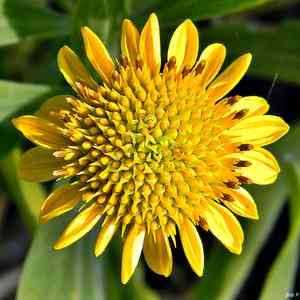
1
Sea oxeye flourishes optimally with ample sunlight, needing a minimum of 6 hours of direct sun each day.
2
Indications of too much sun exposure are scorched leaves and fading color.
3
Insufficient light can lead to hindered development and light-colored leaves in Sea oxeye.
Grasping Sea oxeye Light Requirements
Why Illumination is Essential for Sea oxeye
Light plays a crucial role in the well-being and development of Sea oxeye. Like most flora, it depends on sunlight for photosynthesis, the process where it transforms light energy into chemical energy. This energy is vital for the plant to form its foliage, produce blooms, and develop strong stems. Without adequate light, Sea oxeye will struggle to flourish and may become susceptible to ailments.
Ideal Light Exposure for Sea oxeye
Sea oxeye thrives best in full sun, meaning it requires a minimum of six hours of direct sunlight daily. This level of exposure enables the plant to photosynthesize efficiently, leading to vigorous growth. In areas with intense sun, however, you might want to offer some afternoon shade to prevent leaf scorching, especially during the warmest months of the year.
Optimizing Sea oxeye Placement for Maximum Light
Indoor Placement Advice
If cultivating Sea oxeye indoors, positioning is key to ensuring it receives ample light. Place your plant near a south-facing window where it can get the most illumination throughout the day. If natural light is insufficient, consider supplementing with grow lights to replicate the full sun conditions Sea oxeye prefers.
Outdoor Placement Advice
For outdoor cultivation, select a garden spot that gets plenty of direct sunlight. Aim for an area that receives morning to early afternoon sun, and if you reside in a particularly hot climate, provide some protection from the intense midday sun. Proper placement will help maintain the health and vibrancy of your Sea oxeye.
Indicators Your Sea oxeye is Receiving Too Much or Too Little Sun
Symptoms of Insufficient Light
When Sea oxeye doesn't receive enough sunlight, it will display several signs of distress. Look for stunted development, pale or yellowing leaves, and elongated stems. These symptoms suggest that the plant is not photosynthesizing adequately, which can weaken its overall structure and vitality.
Symptoms of Excessive Light
Too much sunlight can also be harmful to Sea oxeye. If exposed to intense, relentless sun, the plant's leaves may show signs of burning, such as browning edges or spots. Additionally, leaves might become scorched and brittle, indicating the plant is overstressed and requires some relief.
Adjusting Light for Seasonal Variations
Spring and Summer Considerations
During spring and summer, when days are longer and sunlight is more intense, it's crucial to monitor your Sea oxeye. Ensure it gets sufficient light while avoiding overexposure. If necessary, provide partial shade or relocate potted plants to less intense sun spots during peak afternoon heat.
Fall and Winter Considerations
In fall and winter, as days shorten and sunlight becomes less intense, you may need to modify your Sea oxeye’s exposure. For indoor plants, move them closer to windows or supplement with artificial lights. Outdoor plants may naturally receive less light, so consider moving pots to sunnier locations if feasible.
Common Questions Regarding Sea oxeye Light Needs
Can Sea oxeye Thrive in Dim Light Conditions?
Sea oxeye is not well-suited to dim light conditions. While it may survive in partial shade, it will not flourish or grow vigorously as it would in full sun. For optimal growth and blooming, aim to provide at least six hours of direct sunlight daily.
How to Augment Natural Light?
If natural sunlight is inadequate, especially for indoor plants, you can utilize grow lights as a supplement. Choose full-spectrum LED lights that mimic natural sunlight. Position the lights 30-45 cm (12-18 inches) above the plant and provide at least 8-12 hours of artificial light each day to compensate for the lack of natural sunlight.



