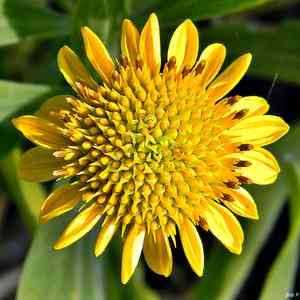
Sea oxeye (Borrichia frutescens)
Also known as: Bushy Sea Oxeye Daisy, Sea oxeye daisy
Sea oxeye (Borrichia frutescens) is a perennial shrub in the sunflower family, notable for its yellow flowers. Native to the United States and Mexico, it thrives in salt water, brackish environments, and can withstand drought conditions.
In This Article
Attributes of Sea oxeye
Lifespan
Perennial
Plant Type
Shrub
Plant Height
61 cm to 91 cm
Spread
60 cm to 90 cm
Leaf Color
Green Blue Bronze
Flower Size
2.5 cm
Flower Color
Yellow Green Brown
Images of Sea oxeye
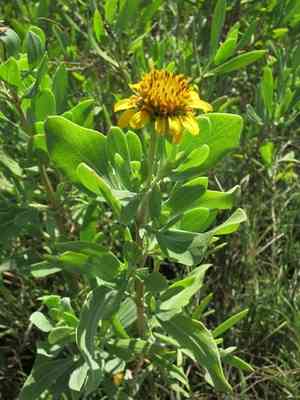
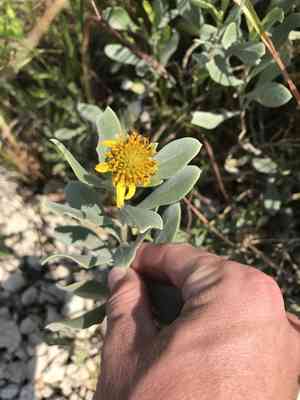
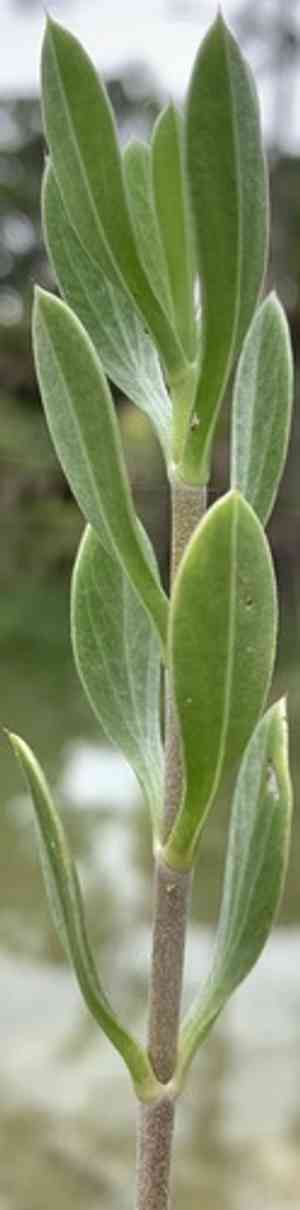
Quickly Identify Sea oxeye
1
Look for a bushy, upright growth habit with thick, fleshy leaves that are gray-green in color. The plant produces bright yellow, daisy-like flowers that bloom most of the year, especially in warmer climates.
Scientific Classification of Sea oxeye
Phylum
Vascular plants
Class
Dicotyledons
Order
Asterales
Family
Daisy
Genus
Seaside oxeye
Species
Sea oxeye
Planting and Growing of Sea oxeye
Care Difficulty
Easy
Watering Schedule
Every 3 days
Sunlight Requirements
Full sun
Sunshine Duration
4-8 hours
Ideal Temperature
60-80℉
Soil Type
Potting Mix, Peat Mix
Soil pH
6.5-7.5
Fertilizer Type
Balanced
Pruning Season
Spring, Summer
Pruning Area
Branches, Leaves
Pruning Frequency
2 times a year
Repotting Season
Spring
Pot Type
Plastic, Ceramic
 How to Water Sea oxeye?
Borrichia frutescens should be watered until the soil is evenly moist but not waterlogged. Aim for about 250 milliliters each watering, allowing the top inch of the soil to dry out before watering again.
What are the symptoms of an underwatered Sea oxeye?
›
What should I do if my Sea oxeye is not getting enough water?
›
What are the symptoms of an overwatered Sea oxeye?
›
How to save an overwatered Sea oxeye?
›
 What Are the Sunlight Requirements for Sea oxeye?
Borrichia frutescens flourishes best under full sun to partial sun, facilitating maximum photosynthesis and growth. Ideal lighting ensures strong, vibrant foliage and prolific flowering throughout its growing season.
More About Sunlight Requirements Techniques→
Optimal Sunlight Duration
›
Preferred Sun Exposure
›
Dynamic Sunlight Adjustments
›
 What Is the Ideal Temperature Range for Sea oxeye?
The ideal temperature range for Borrichia frutescens is between 60°F and 80°F. This range provides the optimal conditions for growth and photosynthesis, allowing the plant to thrive in its environment. Within this range, the plant can efficiently uptake nutrients and water, leading to healthy growth and flowering.
 What Soil is Best for Sea oxeye?
Borrichia frutescens thrives in well-draining soil, ensuring that excess water can escape readily. This prevents root rot, promoting healthy growth and resilience in challenging coastal environments. Although adaptable, nutrient-rich soil can enhance the growth rate and flowering of Borrichia frutescens, giving it the resources needed to sustain robust growth and vibrant blossoms. Aeration is key for the roots of Borrichia frutescens to access oxygen, fostering healthy root development and preventing soil compaction, which can inhibit growth.
 How to Fertilize Sea oxeye?
For Borrichia frutescens, consider using a balanced liquid fertilizer with an N-P-K ratio of 10-10-10 at half strength. For granulated fertilizer, aim for around 1/4 cup per plant. These amounts help stimulate healthy growth without overwhelming the plant's root system.
 How to Prune Sea oxeye?
Utilize sharp, clean pruning shears or scissors. This ensures precise cuts and minimizes the risk of plant damage from crushed or torn stems, which can invite disease. Make your cuts at a 45-degree angle, just above a healthy bud or lateral branch. This encourages water to run off easily instead of sitting on the cut surface, preventing fungal infections. Regularly step back to assess your progress, ensuring the plant maintains a natural appearance while achieving the desired shape and size. It's easier to add more cuts than reverse a cut that's too deep.
More About Pruning Techniques→
 How to Propagate Sea oxeye plant?
1
Choosing healthy, mature parent plants ensures you obtain viable seeds or cuttings. Ensure the plant exhibits no signs of disease or pest infestation. This step is crucial as it affects the future health and growth of new plants.
2
For seed propagation, prepare a fine, well-draining soil mixture in seed trays. For cuttings, prepare pots with a suitable rooting medium, such as a mix of peat and perlite. The right medium helps promote root development while preventing rot.
3
Keep the seed trays or pots in a warm area with indirect sunlight. Provide consistent moisture without waterlogging, keeping the environment humid but ensuring good air circulation to prevent fungal diseases.
 How to Repot Sea oxeye plant?
1
The prime time for repotting Borrichia frutescens is when you notice roots growing out of the drainage holes or when the plant's growth seems stunted. These are clear signs that the roots need more space, and it's time to provide a new home for your plant.
2
Select a pot that's only slightly larger than the current one, preferably with drainage holes to prevent waterlogging. A pot that's too large can lead to damp conditions, risking root rot, while a slightly larger pot supports healthy growth by offering just enough space.
3
Opt for a well-draining, sandy mix that helps mimic the plant's natural coastal environment. This type of soil prevents water retention, reducing the risk of root rot, ensuring your plant thrives even in container settings.



