How to Prune Sea oxeye?
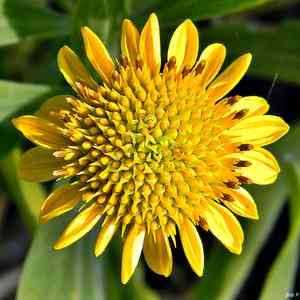
A perennial that tolerates saline environments, sea oxeye flourishes in seaside settings, featuring golden blossoms and fleshy foliage. Trim during the colder months to preserve its form and stimulate dense development. Remove faded flowers to encourage additional blooming. Sever aged and lignified stalks to revitalize its strength. Consistent trimming elevates its defense against insects and ailments, and improves the plant's general well-being. Refrain from extensive pruning to avert strain on sea oxeye.
What Are the Benefits of Pruning Sea Oxeye?
What Are the Benefits of Pruning Sea Oxeye?
Trimming sea oxeye encourages robust development by stimulating new shoots, ensuring a denser and stronger structure. It helps preserve the desired form, enhancing the plant's visual appeal and preventing excessive growth.
What Is the Best Time for Pruning Sea Oxeye?
What Is the Best Time for Pruning Sea Oxeye?
From late winter to early spring, sea oxeye is typically not actively growing, allowing for safer trimming with minimal stress to the plant. This timing also precedes new growth, ensuring pruning doesn't interfere with its natural cycle or flowering. Pruning during this period allows for removal of winter damage and shapes the plant for the growing season without harming its health or vigor.
What Tools Do I Need to Prune Sea Oxeye?
Bypass Pruners
Perfect for making clean cuts on live stems of sea oxeye, bypass pruners can be used for trimming thinner branches and removing spent flowers.
Lopping Shears
Sea oxeye can develop thicker stems, for which lopping shears are more suitable due to their long handles, providing extra leverage for cutting through woody growth.
Pruning Saws
For mature sea oxeye plants with very thick stems or branches, a pruning saw can be utilized to remove them without harming the remaining structure.
Handheld Pruning Snips
These are ideal for deadheading or light trimming of sea oxeye, especially when dealing with small or delicate areas that require precise control.
How to Prune Sea Oxeye
Clean tools
Before pruning sea oxeye, sanitize all pruning tools using rubbing alcohol or a 10% bleach solution to prevent disease transmission.
Remove withered leaves
Gently trim away withered leaves from sea oxeye using hand pruners or scissors, cutting close to the leaf's base without damaging stems or nearby healthy foliage.
Cut dead branches
Identify and remove dead branches from sea oxeye by cutting at a 45-degree angle just above a bud or branch junction, ensuring clean cuts to promote healing.
Trim diseased branches
Carefully trim away any diseased branches from sea oxeye, making sure to cut well into healthy tissue to eliminate all infected material and disposing of clippings far from healthy plants.
Shape plant
Lightly shape sea oxeye to maintain its natural bushy form, trimming any overly long or out-of-place branches to enhance airflow and sunlight penetration around the plant.
Common Pruning Mistakes with Sea Oxeye
Over-pruning
Removing too much foliage at once can stress sea oxeye, leading to poor growth or reduced vigor. This can be particularly damaging if more than one-third of the plant is removed in a single pruning session.
Neglecting dead or diseased stems
Failing to regularly remove dead, diseased, or damaged stems can hinder the healthy growth of sea oxeye and may lead to further disease issues or pest infestations.
Improper cutting technique
Using dull tools or making jagged cuts can damage sea oxeye's stems, which can prevent smooth healing and invite pests or diseases. Clean, angled cuts are essential for promoting good health.
Ignoring plant shape
Pruning without consideration of the plantâs natural form can result in a misshapen or aesthetically unpleasing sea oxeye. It is vital to maintain the inherent shape of the plant when pruning.
Overlooking hygiene
Not sterilizing pruning tools before use on sea oxeye can transmit diseases between plants. Good hygiene practices are crucial to prevent the spread of pathogens.
Common Pruning Tips for Sea Oxeye
Cutting technique
Make clean, angled cuts just above leaf nodes or branching points to encourage sea oxeye to grow more full and bushy. This also helps with the plant's healing process.
Selective thinning
Thin out older and less productive stems to increase airflow and light penetration, which benefits sea oxeye's overall health and can lead to more vigorous growth.
Regular maintenance
Regularly inspect sea oxeye and remove any dead, diseased, or damaged stems to maintain plant health and prevent potential problems from escalating.
Tool maintenance
Ensure pruning tools are sharp and clean to make precise cuts that will heal quickly, thus reducing the risk of disease for sea oxeye.
Balance pruning
Evenly distribute pruning over the whole sea oxeye instead of focusing on just one area, to keep a balanced shape and avoid stressing the plant.
Light pruning
Adopt a light-handed approach to pruning sea oxeye, which is usually sufficient to maintain its shape and encourage blooming without causing undue stress to the plant.



