The Sea oxeye Plant Advantage: Maximizing Home and Office Appeal and Wellness
1
The sea oxeye is a robust plant well-suited for seaside environments, ideal for coastal landscaping.
2
Sea oxeye aids in preventing soil loss and enhances the visual charm of your garden space.
3
Its blossoms draw in beneficial pollinators, enriching the variety of life within your garden.
Why Sea Oxeye Excels in Coastal Gardens
Exceptional Salt Tolerance
Sea oxeye is perfectly suited for seaside environments due to its remarkable ability to withstand high salinity. Many plants struggle in salty conditions, but Sea oxeye flourishes where others fail. This makes it an ideal selection for coastal gardens, ecological restoration, or even urban landscaping near the shore. Its robust nature ensures it can endure and thrive amidst challenging circumstances, providing vibrant greenery where it's most needed.
Erosion Prevention
Coastal erosion poses a significant environmental threat, and Sea oxeye can play a vital role in addressing this issue. The plant's extensive root system helps bind soil particles, preventing them from being washed away by waves and tides. This natural erosion control makes Sea oxeye an invaluable asset for preserving the integrity of coastal landscapes. Planting Sea oxeye along shorelines can help protect beaches and properties from erosion while contributing to the area's overall health and stability.
Ecological Advantages of Cultivating Sea Oxeye
Attracts Pollinating Insects
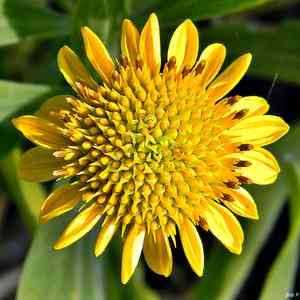
The bright yellow blooms of Sea oxeye are not only visually appealing but also highly attractive to pollinators like bees and butterflies. By incorporating Sea oxeye into your garden, you can create a lively sanctuary for these crucial creatures, fostering biodiversity. Pollinators are essential for healthy ecosystems, aiding in the reproduction of countless plant species. The inclusion of Sea oxeye can thus help sustain local wildlife populations and enhance your garden's overall vitality.
Supports Local Fauna
Beyond pollinators, Sea oxeye offers refuge and sustenance for various other wildlife. Birds, insects, and small mammals may find shelter within its dense foliage, contributing to a flourishing local ecosystem. By integrating Sea oxeye into your garden, you actively support and promote a diverse array of species, assisting in the conservation of local wildlife. This plant's capacity to provide nourishment and habitat makes it an invaluable component of any environmentally conscious garden or landscape.
Practical Applications in Landscaping and Horticulture
Minimal Upkeep Requirements
One of Sea oxeye's most appealing traits is its low maintenance demands. This plant is resilient and can withstand harsh conditions without needing extensive care. It's drought-tolerant once established, meaning it can survive on little water, reducing the need for frequent irrigation. Additionally, Sea oxeye resists pests and diseases, making it an easy-to-grow option for both novice and experienced gardeners. Its hardiness significantly lowers the effort and resources required to maintain a vibrant garden.
Aesthetic Value
The visual appeal of Sea oxeye is undeniable. Its lush green leaves and bright yellow flowers provide a continuous burst of color that can enhance any garden's attractiveness. Whether used as ground cover, in landscape designs, or as part of a decorative border, Sea oxeye is versatile enough to suit various design needs. Its year-round beauty ensures your garden remains captivating and beautiful regardless of the season, offering constant enjoyment and aesthetic pleasure.
Common Questions About Growing Sea Oxeye
How to Plant and Care for Sea Oxeye?
Planting Sea oxeye is simple. It thrives in full sun and well-drained soil. When planting, ensure adequate spacing for growth and air circulation. Water regularly until established, after which it will require minimal irrigation. Pruning may be necessary to maintain shape and encourage healthy growth, but beyond these basic steps, Sea oxeye needs very little attention.
Can Sea Oxeye Be Cultivated Inland?
Absolutely! While Sea oxeye is naturally adapted to coastal environments, it can also flourish in non-coastal areas. Its resilience makes it a suitable choice for various soil types and environmental conditions. Whether in urban settings or inland gardens, Sea oxeye can adapt and provide the same benefits it does in coastal regions, making it a versatile addition to diverse landscapes.



