How Much Sunlight Do Weeping baeckea Need?
1
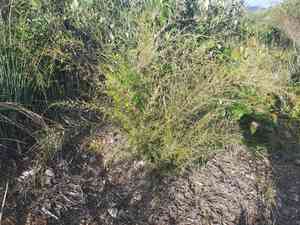
Weeping baeckea flourishes with ample sunlight, needing more than 6 hours of direct sun each day.
2
Lack of adequate light can result in stunted development and thin leaves for Weeping baeckea.
3
Slowly acclimating Weeping baeckea to bright sun exposure helps avoid leaf scorching.
Optimal Light Requirements for Weeping Baeckea
Sunlight Quantity
For Weeping baeckea, specific light conditions are vital for its best development and well-being. This plant thrives with ample sunlight. It needs at least 6 hours of direct sun daily to meet its energy demands and encourage strong growth. Position your Weeping baeckea where it can receive full sun for most of the day.
Light Strength and Duration
The strength and length of sun exposure are key elements for Weeping baeckea. While they flourish with extended light, the sun should be bright but not excessively harsh. Full sun provides the plant with the energy needed for photosynthesis, resulting in vibrant, healthy foliage. Aim for steady, continuous sunlight throughout the day to ensure your plant gets the best light intensity and duration.
Sunlight and Growth Phases
Weeping baeckea plants have varying light needs at different stages of their development. Young plants benefit from a slightly shaded spot to protect their delicate leaves, slowly increasing their exposure to full sun as they mature. Mature plants, conversely, require full exposure to maximize their growth potential and flowering ability. Ensuring your plant receives the correct amount of light during each growth phase will lead to a healthier, more robust plant.
Impacts of Insufficient Light on Weeping Baeckea
Typical Signs of Low Light
Inadequate sunlight can hinder the growth and overall health of Weeping baeckea. Common indicators include elongated stems, sparse foliage, and pale leaves. Reduced or absent blooms can also signal insufficient light. Observing your plant for these signs can help you take corrective action before problems worsen.
Long-term Consequences
Extended periods of low light can have lasting negative effects on Weeping baeckea. These include stunted development, weakened plant structure, and increased vulnerability to pests and diseases due to the plant's reduced vigor. Over time, the plant may become unsustainable, requiring intervention or severe pruning to restore its health.
Preventing Low Light Situations
To avoid low light conditions, ensure your Weeping baeckea is placed in an area that receives abundant sunlight throughout the day. Choose a south-facing spot if possible, as it typically offers the most consistent full sun exposure. Regularly monitor and adjust the plant's position if you notice any signs of light deficiency, and consider rotating the plant to ensure even light distribution.
Can Weeping Baeckea Withstand Full Sun?
Benefits of Full Sun
Yes, Weeping baeckea can indeed tolerate full sun and actually thrives in such conditions. Full sun exposure boosts photosynthesis, leading to vigorous growth and vibrant foliage. Additionally, ample sunlight reduces moisture around the plant, preventing fungal issues. A sun-drenched environment is ideal for maximizing the plantâs growth potential.
Risks and Precautions
While Weeping baeckea flourishes in full sun, it's crucial to gradually introduce new plants to prevent sunburn. Sudden exposure to intense sunlight can scorch the leaves, causing permanent damage. Begin by allowing the plant a few hours of morning sun and slowly increase the duration over several weeks to allow the plant to adapt.
Optimal Placement
For planting Weeping baeckea, select a location that provides maximum sunlight exposure. A south-facing garden, balcony, or windowsill is perfect. Ensure the area is well-drained and free from obstructions that could cast shadows, such as overhanging branches or nearby structures. An optimal location ensures the plant receives consistent and adequate sunlight, vital for healthy growth.
Adjusting Weeping Baeckea to Various Light Conditions
Transitioning from Low Light to Full Sun
Moving Weeping baeckea from a low light to a full sun environment should be done gradually to prevent stress and leaf burn. Start by placing the plant in its new spot for a few hours of morning sunlight daily, slowly increasing the duration each week. This method allows the plant to adjust its internal processes and acclimate to the heightened light intensity.
Utilizing Shade Cloth
Using shade cloth is an effective method to moderate the sunlight reaching your Weeping baeckea. This is especially useful during summer months when the sun is at its strongest. A shade cloth can filter direct sunlight, reducing the risk of leaf scorch while still providing sufficient light for photosynthesis. Select a cloth that blocks about 20-30% of sunlight for best protection.
Seasonal Adjustments
Adjusting sunlight exposure for Weeping baeckea according to the seasons is crucial for its health. During summer, consider partial shading during peak afternoon hours, whereas in winter, maximize its exposure to the weaker sunlight. Seasonal adjustments ensure that Weeping baeckea receives the correct amount of light throughout the year, promoting consistent growth and vitality.



