Enhancing Your Garden Design with the Weeping baeckea Plant: A Landscaping Guide
1
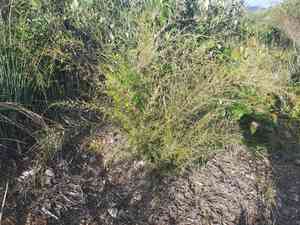
Weeping baeckea is recognized for its graceful drooping branches and subtle blooms, bringing a distinct appeal to any landscape.
2
Weeping baeckea fits well into diverse garden designs, ranging from modern to rustic cottage settings.
3
Optimal placement and maintenance are crucial to enhance the aesthetic and ecological advantages of Weeping baeckea.
Introducing Weeping Baeckea in Garden Design
Discover the visual charm of Weeping Baeckea
A primary reason for Weeping Baeckea's popularity among garden enthusiasts is its visual appeal. The plant showcases slender, arching branches that create a cascading form, establishing a striking focal point in any landscape. Its small, white or pinkish blossoms add a delicate touch, often blanketing the plant in a beautiful display. These characteristics make Weeping Baeckea a versatile addition to diverse garden styles, where it can either stand out as a centerpiece or blend seamlessly with other plants.
Appreciate Weeping Baeckea's adaptability in various garden aesthetics
Weeping Baeckea readily adapts to a range of garden aesthetics, making it a valuable inclusion whether you desire a modern look or a more classic, cottage-style garden. Its capacity to flourish in different conditions and its ornamental value mean it can be planted as a solitary specimen, as a border plant, or even within mixed shrubbery. This flexibility allows gardeners to experiment with design and structure, achieving a balanced and attractive outdoor space.
Uncover Weeping Baeckea's contribution to creating visual interest in your outdoor area
Generating visual interest in your yard is crucial for a dynamic and engaging landscape. Weeping Baeckea significantly contributes to this by introducing layers of texture and color. The cascading shape of its branches can impart a sense of movement, guiding the eye across your garden. Furthermore, its seasonal flowering provides an evolving palette of colors, ensuring your garden remains vibrant and captivating throughout the year. Incorporating Weeping Baeckea into your landscape plan can thus enhance the overall visual appeal of your outdoor environment.
Selecting the Optimal Site for Weeping Baeckea
Considerations for choosing a planting location
Selecting the appropriate spot for Weeping Baeckea is vital for its vitality and development. Key elements to evaluate include sun exposure, soil composition, and drainage. Weeping Baeckea generally prefers well-drained soil and can tolerate various soil types, from sandy to clay. It also thrives in full sun to partial shade. Avoid planting in areas prone to waterlogging, as this can lead to root rot and other problems.
Maximizing landscape impact through thoughtful placement
Strategic positioning of Weeping Baeckea can amplify its effect on your landscape design. Consider planting it where its weeping branches can be fully admired, such as near a patio, pathway, or as a backdrop for other flowering plants. Its distinctive form can serve as a natural divider or be used to frame views within your garden. By carefully placing Weeping Baeckea, you can enhance the visual flow and utility of your outdoor area.
Complementary elements for Weeping Baeckea integration
When planning to incorporate Weeping Baeckea into your garden, consider elements that will enhance its appearance. Pairing it with ground covers, perennials, and ornamental grasses can create a layered and textured look. Additionally, think about the color scheme â the soft tones of Weeping Baeckea's flowers can be complemented by plants with contrasting or harmonious colors. This approach not only boosts aesthetic appeal but also fosters a balanced and unified garden design.
Incorporating Weeping Baeckea with Other Flora
Boosting biodiversity through careful plant combinations
Integrating Weeping Baeckea with diverse plants can enrich your garden's biodiversity. Combine it with native species and other shrubs that attract pollinators like bees and butterflies. This not only fosters a healthier ecosystem but also promotes the well-being of your garden. Thoughtful pairings can lead to a more resilient and flourishing landscape, offering natural pest control and improving soil vitality.
Crafting harmonious color palettes and textures
Achieving harmonious color schemes and textures is crucial for a visually pleasing garden. Weeping Baeckea's delicate flowers and cascading branches complement both bold and subtle plantings. For a unified look, select plants with complementary foliage and bloom colors. Mixing different textures, such as Weeping Baeckea's fine foliage with larger-leaved plants, can create a balanced and captivating landscape. The aim is to establish an appealing contrast that draws the eye yet feels cohesive.
Seasonal considerations for continuous allure
To ensure your garden remains attractive throughout the year, consider the seasonal characteristics of Weeping Baeckea and its companion plants. While Weeping Baeckea offers beauty in spring and summer with its blooms, pairing it with plants that provide fall or winter interest can keep your garden vibrant year-round. Think about including evergreens, winter-flowering plants, or those with striking autumn foliage. This strategy ensures your garden continuously evolves and captivates in every season.
Practical Advice for Planting and Maintaining Weeping Baeckea
Optimal methods for planting and initial care
When planting Weeping Baeckea, begin by selecting a robust young plant from your local nursery. Excavate a hole twice the width of the root ball but no deeper. Position the plant in the hole, ensuring the top of the root ball is level with the surrounding soil. Backfill with soil, gently firming it down, and water thoroughly. Apply a layer of mulch around the base to retain moisture and regulate soil temperature. Initial care also involves consistent watering until the plant is well-established, typically within the first year.
Ongoing care recommendations to ensure health and growth
For continuous maintenance, Weeping Baeckea requires regular pruning to maintain its form and remove any dead or diseased branches. Watering should be adjusted based on weather and growing conditions; generally, the plant needs more water during dry periods. Fertilize annually with a balanced slow-release fertilizer in the spring to encourage healthy development. Monitoring for pests and diseases is also essential â early detection and treatment can prevent significant issues.
Resolving common problems when cultivating Weeping Baeckea
Common problems with Weeping Baeckea include root rot, particularly in poorly drained soils, and susceptibility to pests like aphids and scales. To combat root rot, ensure the planting site has good drainage and avoid overwatering. For pest control, regular inspection and the use of insecticidal soaps or horticultural oils can manage infestations. If you observe any signs of disease, such as leaf spots or discoloration, remove affected parts promptly to prevent spread. Proper care and attention can help mitigate these issues and keep your Weeping Baeckea thriving.
Utilizing Weeping Baeckea for Environmental and Ecological Advantages
Weeping Baeckea's contributions to local ecosystems
Weeping Baeckea plays a beneficial role in local ecosystems by offering habitat and sustenance for various wildlife, including birds, insects, and small mammals. Its flowers attract pollinators such as bees and butterflies, which are vital for the health of your garden and surrounding areas. Additionally, its dense foliage provides shelter and nesting sites, contributing to a flourishing and balanced ecosystem.
Employing Weeping Baeckea for sustainable landscaping practices
Incorporating Weeping Baeckea into your landscape can contribute to sustainable gardening methods. The plant's low water requirements make it an excellent choice for xeriscaping, aiding in water conservation. Its ability to thrive in various soil conditions reduces the need for chemical fertilizers and soil amendments. By selecting Weeping Baeckea, you support environmentally friendly landscaping approaches that promote resource conservation and ecological balance.
The role of Weeping Baeckea in fostering biodiversity
Promoting biodiversity is crucial for a resilient and healthy garden. Weeping Baeckea can play a significant role in this by providing a diverse habitat for different species. Its flowers and nectar support pollinator populations, while its structure offers a home for various insects and small animals. By integrating Weeping Baeckea with other native plants and avoiding monocultures, you create a rich, diverse environment that helps safeguard against pests and diseases, ensuring a robust garden ecosystem.



