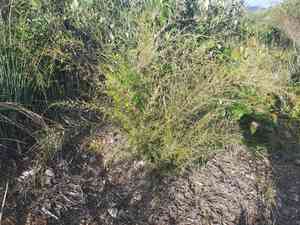
Weeping baeckea (Baeckea frutescens)
Also known as: Weeping coast myrtle
Weeping baeckea, belonging to the myrtle family, is one of 75 species of flowering shrubs native to Australia. Typically located near waterfalls and moist areas, this shrub features drooping branches that bear white, fragrant flowers.
In This Article
Attributes of Weeping baeckea
Lifespan
Perennial
Plant Type
Tree, Shrub
Plant Height
8 m
Spread
1.5 m
Leaf Color
Green
Flower Size
1.1 mm to 1.8 mm
Flower Color
White
Images of Weeping baeckea
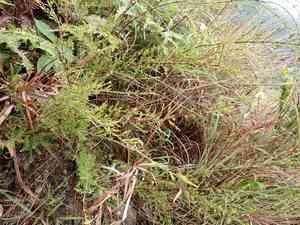
Quickly Identify Weeping baeckea
1
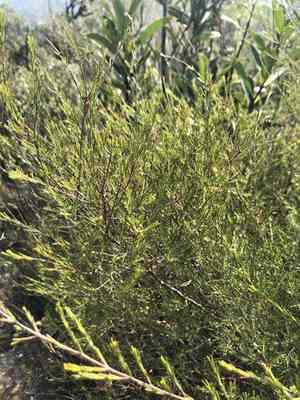
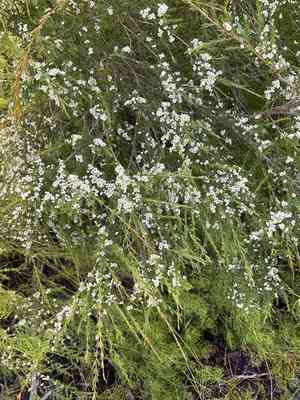
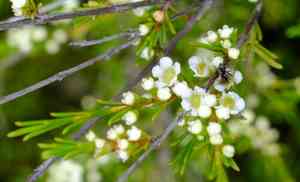
To identify Baeckea frutescens, look for a small shrub with slender, elongated leaves that have a strong aroma when crushed. The shrub produces small, star-shaped white or pale pink flowers, typically in clusters.
Scientific Classification of Weeping baeckea
Phylum
Vascular plants
Class
Dicotyledons
Order
Myrtales
Family
Myrtle
Genus
Baeckea
Species
Weeping baeckea
Planting and Growing of Weeping baeckea
Care Difficulty
Easy
Watering Schedule
Every 4 days
Sunlight Requirements
Full sun
Sunshine Duration
6-8 hours
Ideal Temperature
70-85℉
Soil Type
Potting Mix, Peat Mix
Soil pH
4.5-6
Fertilizer Type
Balanced
Pruning Season
Spring, Summer
Pruning Area
Branches, Leaves
Pruning Frequency
2 times a year
Repotting Season
Spring
Pot Type
Plastic, Ceramic
 How to Water Weeping baeckea?
Baeckea frutescens prefers soil that is moderately moist but well-drained. Aim to water approximately 250 ml each time, ensuring the soil is moist to the touch but not waterlogged. It's essential to allow the top inch of soil to dry out between waterings to prevent root rot.
What are the symptoms of an underwatered Weeping baeckea?
›
What should I do if my Weeping baeckea is not getting enough water?
›
What are the symptoms of an overwatered Weeping baeckea?
›
How to save an overwatered Weeping baeckea?
›
 What Are the Sunlight Requirements for Weeping baeckea?
Baeckea frutescens prefers full sun to partial sun, thriving in open areas with 5-8 hours of sunlight. Ideal light promotes vigorous growth, strong branching, and vibrant foliage.
More About Sunlight Requirements Techniques→
What is the best sunlight condition for Baeckea frutescens?
›
How can I ensure ideal lighting conditions for my Baeckea frutescens?
›
What benefits does ideal lighting provide to Baeckea frutescens?
›
 What Is the Ideal Temperature Range for Weeping baeckea?
The ideal temperature range for Baeckea frutescens is between 70°F and 85°F. This range ensures optimal growth and development by providing the right conditions for photosynthesis, transpiration, and other physiological processes. Temperatures within this range promote sturdy stem growth, vibrant foliage, and increased resistance to pests and diseases.
 What Soil is Best for Weeping baeckea?
Baeckea frutescens thrives in well-drained soils, preventing water stagnation which can lead to root rot. The addition of compost can enhance drainage and improve soil aeration, ensuring the roots stay healthy and vibrant. This plant benefits from soil rich in organic matter, which enhances nutrient availability and stimulates beneficial microbial activity. Regularly incorporating organic compost can help maintain ideal soil conditions. Preferring mildly acidic soils, Baeckea frutescens thrives best when the pH is maintained between 4.5 and 6.0. Such conditions can promote optimal nutrient uptake, supporting vigorous plant growth.
 How to Fertilize Weeping baeckea?
Baeckea frutescens, known for its resilience, requires moderate fertilization. Use about 1/4 cup of liquid fertilizer per application or 30 grams of slow-release fertilizer around its base annually. Ensure the fertilizer is balanced, offering equal parts nitrogen, phosphorus, and potassium to maintain its vibrant growth and bloom.
 How to Prune Weeping baeckea?
Focus on maintaining a natural, graceful shape, allowing the plant's beauty to flourish. Cut back excess growth to encourage a bushier appearance, keeping the plant balanced and uniform. Identify any branches growing inwards or crossing over other branches. Removing these can enhance light penetration and stimulate productive growth, letting Baeckea frutescens thrive optimally.
More About Pruning Techniques→
 How to Propagate Weeping baeckea plant?
1
Select healthy and disease-free branches for cuttings. Water the plant thoroughly a day before taking cuttings to ensure it is well-hydrated.
2
Use sharp pruning shears to take 10-15 cm long cuttings. Remove the leaves from the lower half to reduce water loss and place cuttings immediately in water or damp paper towels.
3
Dip the cut end in rooting hormone and plant in seedling trays filled with a well-draining potting mix. Place trays in a humid environment with indirect sunlight.
 How to Repot Weeping baeckea plant?
1
Baeckea frutescens should be repotted when you notice its roots becoming crammed in the pot, indicated by roots poking out of drainage holes, or stunted growth. Repotting every 2-3 years in spring or autumn ensures the plant has enough space and nutrients.
2
Select a pot that is 2 inches larger in diameter than the current one. It should have sufficient drainage holes to avoid waterlogging. A slightly larger pot encourages better root expansion without overwhelming the plant with too much soil.
3
Opt for well-draining sandy soil to enhance aeration and prevent water retention. This type of soil mimics the plant's natural habitat, ensuring healthy root development and reducing the risk of root rot.
Learn More About Weeping baeckea Diseases
Anthracnose
Bacterial Leaf Spot
Bacterial Soft Rot
Bacterial Wilt
Black Spot
Chemical Injury
Crown Gall
Cyst Nematode
Damping-off
Downy Mildew
Drought Stress
Fusarium Wilt
Gray Mold
Leaf Curl
Leaf Spot
Mosaic
Nutrient Deficiency
Nutrient Toxicity
Powdery Mildew
Root Rot
Root-knot Nematode
Rusts
Sooty Mold
Spider Mites
Temperature Stress
Thrips Damage
White Mold



