How to Prune Weeping baeckea?
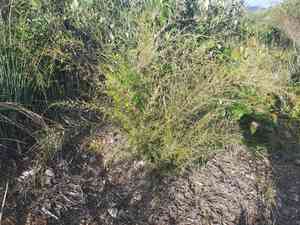
A resilient bush featuring slender leaves and dainty white blossoms, weeping baeckea flourishes with little attention but gains from consistent trimming. Essential methods involve reducing congested limbs to enhance air circulation and shortening elongated stalks to preserve its form. The most suitable period for pruning is in winter while the plant is inactive, which optimizes its well-being and subsequent spring development. Trimming fosters compact growth, deters ailments, and extends the longevity of weeping baeckea, thereby boosting its aesthetic value in outdoor spaces and cultivated areas.
What Are the Benefits of Pruning Weeping Baeckea?
What Are the Benefits of Pruning Weeping Baeckea?
Trimming weeping baeckea promotes robust development and maintains its form, ensuring a tidy look and strong structure, which can lead to improved overall plant vitality.
What Is the Best Time for Pruning Weeping Baeckea?
What Is the Best Time for Pruning Weeping Baeckea?
Trimming weeping baeckea in late winter or early spring is optimal because the plant is typically dormant, which minimizes stress and the risk of disease transmission from cuts. This timing also prevents the removal of future flowers, as weeping baeckea may bloom in spring or summer. Pruning before new growth allows for quick healing and directs energy to fresh, healthy shoots as the season begins. It also offers a clearer view of the plant's structure without leaves, aiding in informed pruning decisions.
What Tools Do I Need to Prune Weeping Baeckea?
Hand Pruners
Ideal for making precise cuts on weeping baeckea's smaller branches, hand pruners, also known as secateurs, ensure accuracy and prevent unnecessary plant damage.
Pruning Saw
For thicker branches that hand pruners cannot manage, a pruning saw is perfect as it can cut through dense wood without tearing.
Hedge Shears
When shaping weeping baeckea or managing its horizontal growth, sharp hedge shears are effective for trimming and maintaining a neat appearance.
Loppers
These are useful for cutting branches too thick for hand pruners but not requiring a pruning saw, offering good leverage and reach.
Gloves
To protect hands from thorns and sharp edges, wearing sturdy gloves is crucial when trimming weeping baeckea.
How to Prune Weeping Baeckea
Sterilize
Before trimming weeping baeckea, clean and sanitize pruning tools with alcohol or a bleach solution to prevent disease spread.
Inspect
Examine weeping baeckea thoroughly to identify dead or diseased branches. These often appear discolored, shriveled, or have a different texture than healthy branches.
Remove Dead Branches
Using sharp, sanitized pruning shears, carefully cut any dead branches where they meet healthy wood. Make a clean cut as close to the junction as possible without harming healthy branches.
Remove Diseased Branches
Trim away diseased branches of weeping baeckea by cutting them at least several inches into healthy tissue to ensure all diseased parts are removed.
Clean Up
After pruning, collect and dispose of all cuttings and debris from around weeping baeckea to reduce disease risk. Clean tools again after use.
Common Pruning Mistakes with Weeping Baeckea
Over Pruning
Removing too much foliage at once can stress weeping baeckea, leading to poor growth and reduced flowering.
Improper Cut Location
Cutting too far from a node may leave a stub that can lead to disease, while cutting too close can damage the bud.
Using Dull Tools
Dull pruning tools can crush stems and branches, resulting in uneven cuts that heal poorly and may lead to disease.
Neglecting Tool Cleanliness
Failing to clean tools between uses can spread pathogens from infected plants to healthy ones.
Pruning Healthy Growth
Mistakenly cutting away healthy growth may retard the plant's development and diminish its natural shape.
Common Pruning Tips for Weeping Baeckea
Selective Pruning
Careful selection of branches to prune helps maintain a natural shape and directs growth where desired.
Angle Cuts
Make angled cuts that slope away from the bud, which allows for better healing and water runoff.
Incremental Pruning
Gradually prune over time, especially with shaping or size reduction, to avoid shocking the plant.
Sharp And Clean Tools
Use sharp, clean shears or secateurs to ensure clean cuts that heal quickly and resist disease.
Dead And Diseased Wood
Regularly remove dead or diseased branches to improve air circulation and sunlight exposure, promoting a healthier plant.



