How Much Sunlight Do Ground plum Need?
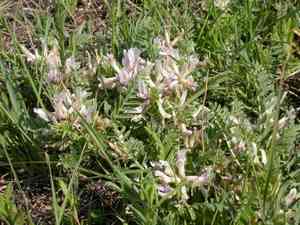
1
Ground plum flourishes optimally with a minimum of 6 hours of direct sunlight daily.
2
Ground plum can endure locations with some shade, though its foliage might not be as vigorous.
3
Monitor your Ground plum's leaves for indications of its light requirements â yellowing foliage could signal too much sun.
Ideal Light Conditions for Ground plum
Full Sun Requirements
Ground plum thrives in environments with abundant sunlight. Ideally, it should be situated in locations where it receives at least 6 to 8 hours of direct sun daily. This exposure promotes vibrant blooms and robust foliage. Insufficient light can lead to a leggy and weak plant.
Partial Sunlight Tolerance
While Ground plum prefers full sun, it can endure some partial sunlight. In areas where full sun isn't consistently available, aim for at least 3-6 hours of direct sunlight. However, growth may be less vigorous, and flowering less prolific compared to full-sun conditions.
Assessing Proper Sunlight Exposure for Ground plum
Observing Plant Health
A straightforward method to determine if your Ground plum is receiving adequate sunlight is to observe its overall condition. Healthy plants with bright green leaves and plentiful blooms indicate sufficient light. Conversely, pale or yellowing foliage, fewer flowers, or stunted growth can signal inadequate or excessive exposure.
Soil and Temperature Interactions
Soil and temperature also influence the plant's sunlight resilience. Ground plum prefers well-drained soil, which prevents waterlogging, especially under intense sunlight. The optimal temperature range is 60°F to 75°F (15°C to 24°C). Extreme heat can sometimes be alleviated by ensuring the soil retains some moisture.
Optimal Planting Locations for Ground plum
Outdoor Gardens
For outdoor gardens, selecting a spot that receives uninterrupted sunlight for most of the day is vital. A south-facing area in your garden often provides the best light. Ensure no tall structures, trees, or dense foliage nearby cast prolonged shadows over your Ground plum.
Containers and Pots
Planting Ground plum in containers or pots offers flexibility, especially if your garden lacks ideal sunlight. Place containers in sunny spots and move them as needed to follow the sun's path. This mobile approach ensures the plant gets optimal light exposure throughout the day.
Seasonal Sunlight Changes
Spring and Summer
During spring and summer, with extended daylight hours, Ground plum will flourish with increased sunlight. Regularly check soil moisture, as longer sunny periods can dry out the soil faster. Consider using mulch to retain moisture, supporting healthy plant growth.
Fall and Winter
In fall and winter, sunlight decreases, posing challenges for Ground plum. If outdoors, ensure the area still receives maximum available sunlight. If in a container, relocating the plant to a sunnier spot can help compensate for shorter daylight hours. Indoor grow lights can also provide sufficient light during these darker months.
Common Sunlight Issues and Solutions
Signs of Excessive Sun
If your Ground plum is exposed to too much sunlight, you might notice yellowing or scorched leaves. This indicates sunburn, which can be alleviated by providing afternoon shade or using a light fabric to filter the sun's intensity during the hottest parts of the day.
Signs of Insufficient Sunlight
Lack of sun exposure often results in pale or weak foliage, sparse blooming, and elongated, leggy stems. These symptoms indicate the plant is stretching for light. Moving your Ground plum to a brighter location is crucial to restore its health.
Adjusting Sunlight Exposure
Adjusting sunlight exposure for your Ground plum can be straightforward. For too much sun, consider adding protective measures like partial shading or repositioning potted plants to areas with filtered light. For insufficient sun, relocating the plant to a sunnier spot or supplementing with artificial growing lights can resolve the issue.



