How to Prune Ground plum?
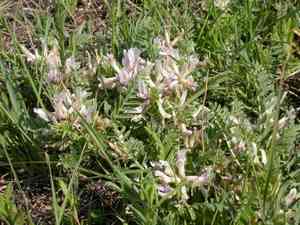
A perennial herbaceous plant recognized for its spherical, palatable legume-like fruits, ground plum flourishes with limited trimming. Essential methods involve removing faded blossoms and cutting back deceased or excessively long stalks, preferably in spring or early summer to encourage robust new development. Consistent trimming boosts air movement and deters fungal infections. Enhanced plant vitality and a more orderly growth pattern are significant advantages derived from these straightforward upkeep routines.
What Are the Benefits of Pruning Ground Plum?
What Are the Benefits of Pruning Ground Plum?
Trimming ground plum promotes robust development and helps maintain its form, fostering a stronger and more visually appealing structure. Regular cutting can enhance the health and vigor of ground plum.
What Is the Best Time for Pruning Ground Plum?
What Is the Best Time for Pruning Ground Plum?
Late spring to early summer is optimal for pruning ground plum as it aligns with its growth cycle after frost danger has passed and before its rapid growth phase begins. Pruning at this time encourages healthy development without risking plant damage. It also ensures that any flowering or fruiting, typical of ground plum's growth cycle, is not negatively impacted, allowing gardeners to manage the plant's shape and health well before these crucial stages.
What Tools Do I Need to Prune Ground Plum?
Bypass Pruners
Perfect for making precise cuts on the green, living stems of ground plum without crushing plant tissues. They operate like scissors and are excellent for detailed work.
Pruning Shears
Most suitable for trimming thinner stems and foliage, enabling the shaping of ground plum without harming the plant's structure.
Gloves
Crucial for protecting hands from thorns or rough branches while pruning ground plum, ensuring safety and comfort during the task.
How to Prune Ground Plum
Clean tools
Sanitize pruning implements before beginning to prevent disease transmission to ground plum or other plants. Use a solution of 1 part bleach to 9 parts water, or alcohol for disinfection.
Remove diseased leaves
Carefully snip off any affected leaves from ground plum, cutting at the base of the leaf stem. Dispose of these leaves far from healthy plants to prevent contamination.
Prune withered leaves
Identify withered or dying leaves on ground plum that no longer contribute to its growth or photosynthesis. Cut these leaves at their base, using sharp, clean tools to minimize damage.
Trim diseased stems
Examine ground plum for any stems showing signs of disease or damage. Cut the affected stems back to healthy tissue, ensuring a clean cut to promote rapid healing.
Clean up
Gather all removed plant material and dispose of it properly to prevent disease spread. Clean tools again after use to keep them ready for future pruning.
Common Pruning Mistakes with Ground Plum
Over-pruning
Removing too much foliage from ground plum can stress the plant, hindering its ability to grow and produce flowers.
Improper tool usage
Using dull or unclean pruning tools can result in jagged cuts or introduce diseases to ground plum, potentially harming the plant's health.
Pruning too close
Cutting too near the main stems or root crown risks damaging ground plum's growth points, leading to poor regeneration or susceptibility to pests and diseases.
Ignoring plant structure
Not considering the natural growth habit of ground plum while pruning can result in an unnatural appearance and compromise the plant's structural integrity.
Neglecting diseased or dead material
Failing to regularly remove dead or diseased plant material from ground plum can lead to unnecessary stress and may spread problems throughout the plant.
Common Pruning Tips for Ground Plum
Clean cuts
Ensure cuts on ground plum are clean and made at a 45-degree angle to prevent water buildup and minimize the risk of disease.
Selective thinning
Focus on thinning out overcrowded areas to improve air circulation and light penetration within ground plum, which supports healthy growth and flowering.
Tool care
Regularly maintain pruning tools by keeping them sharp and sterilizing them between uses to promote good plant health for ground plum.
Follow the 'one-third' rule
As a guideline, never remove more than one-third of ground plum's total foliage during a single pruning session to avoid plant shock.
Protect plant base
When pruning ground plum, avoid disturbing the plant base and root zone, as this can negatively impact the plant's stability and nutrient uptake.



